So, Are We All Going to Get Refunded for Those Illegal Trump Tariffs?
On average, American families have each spent about $1,744.75 on tariffs.
On average, American families have each spent about $1,744.75 on tariffs.
The surgeon general nominee is a close ally of Health Secretary Robert F. Kennedy Jr.
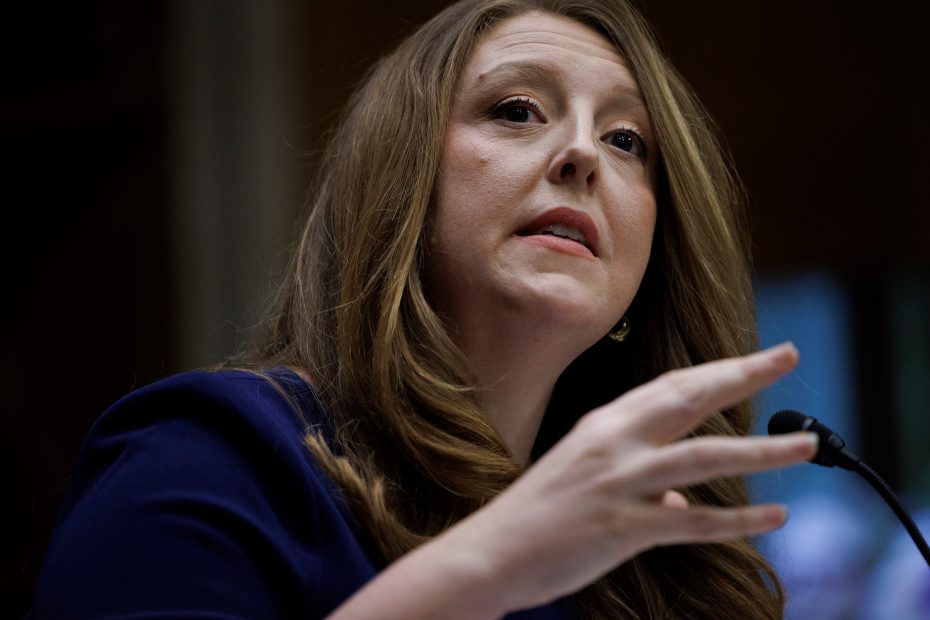
Nicole Saphier is the president’s new pick for the job.
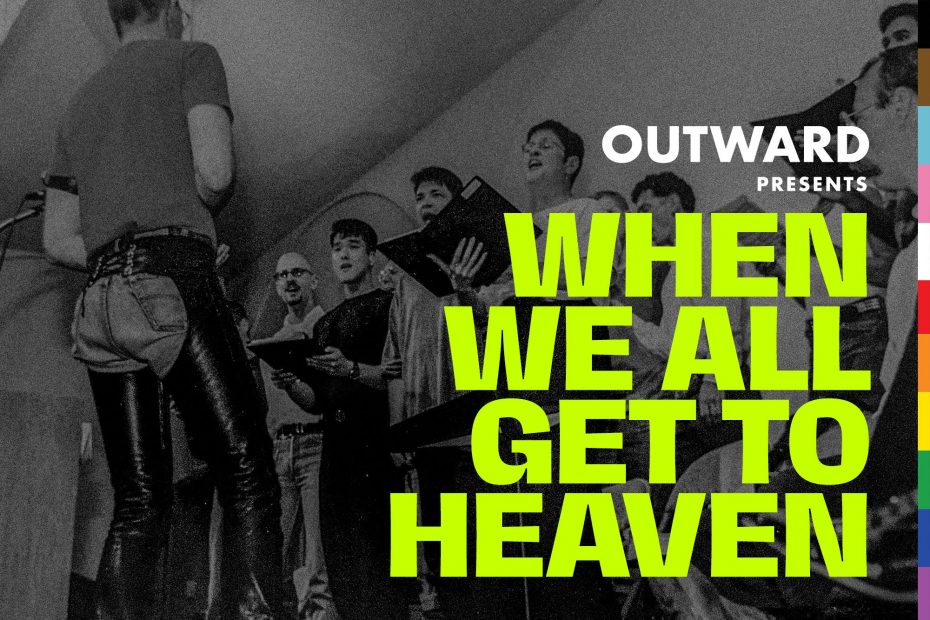
Outward’s hosts sit down with the host and co-creator of When We All Get to Heaven.
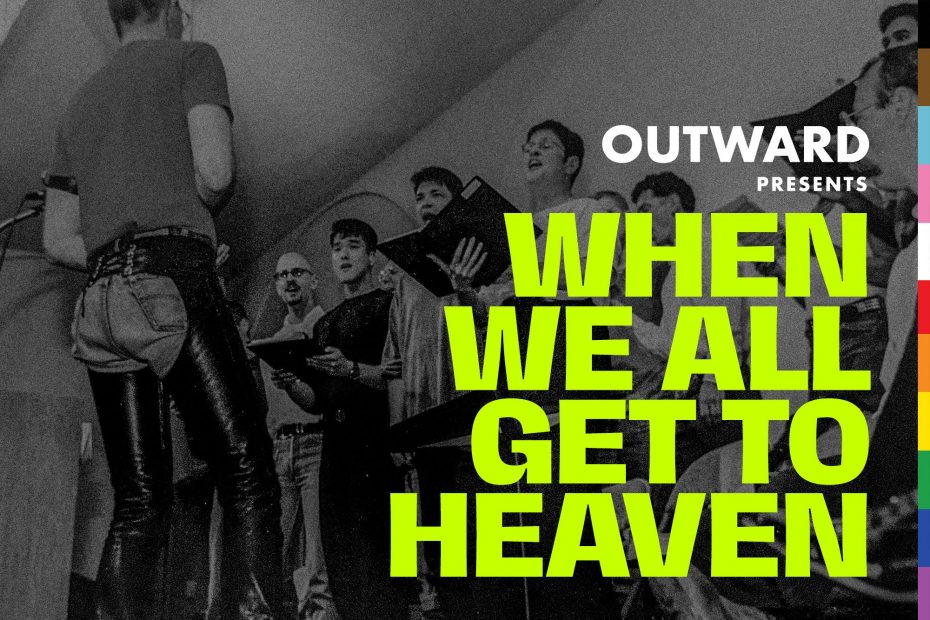
The neighborhood changes, the church moves, people forget and remember “the AIDS years,” but AIDS isn’t over.
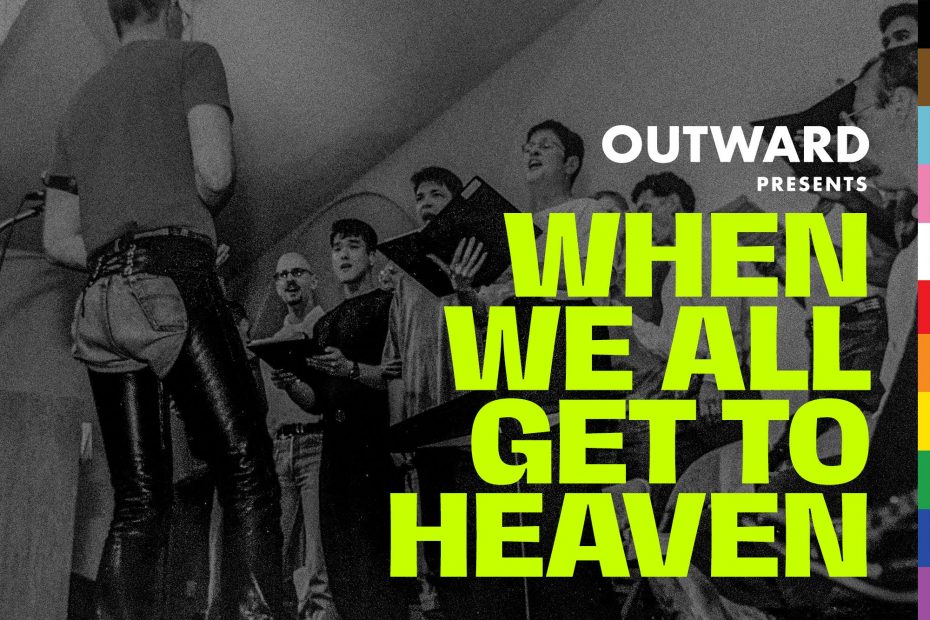
The AIDS cocktail opens new possibilities. And MCC San Francisco tries to use the experience of AIDS to make bigger social change.
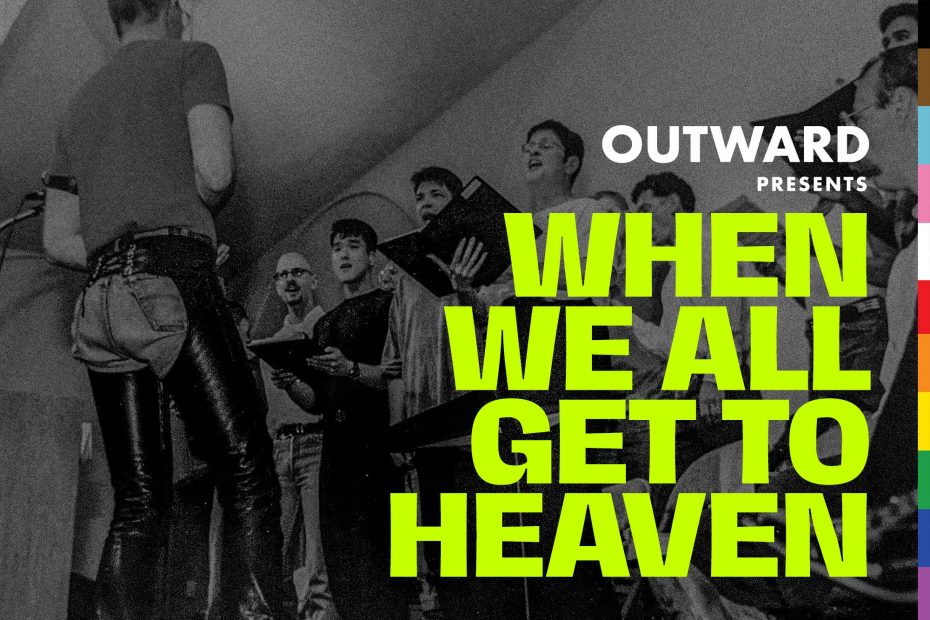
The church’s minister gets sick and everyone knows it.
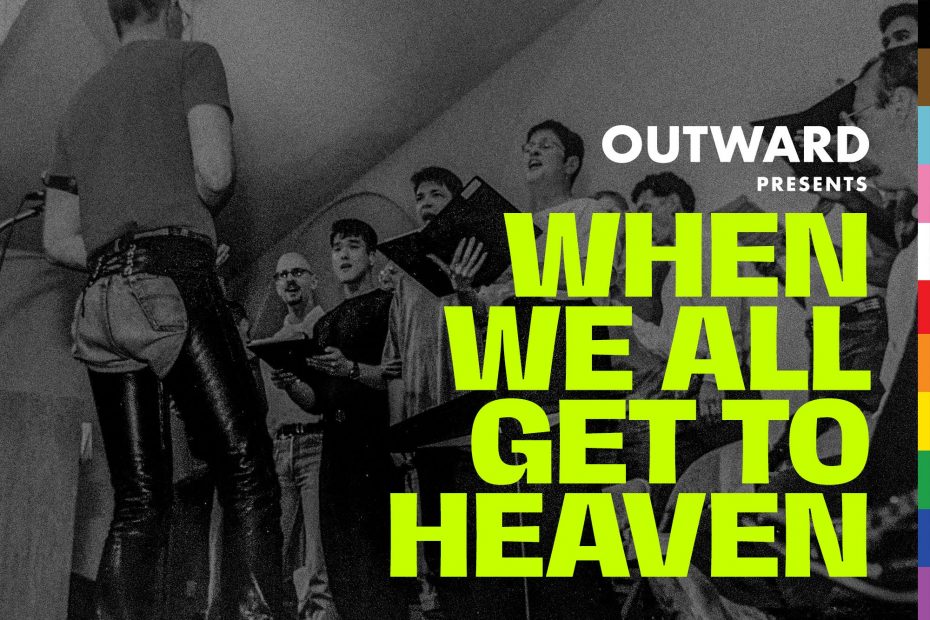
The church’s “it couple” faces AIDS, caregiving, and loss as part of a pair, part of families, and part of a community.
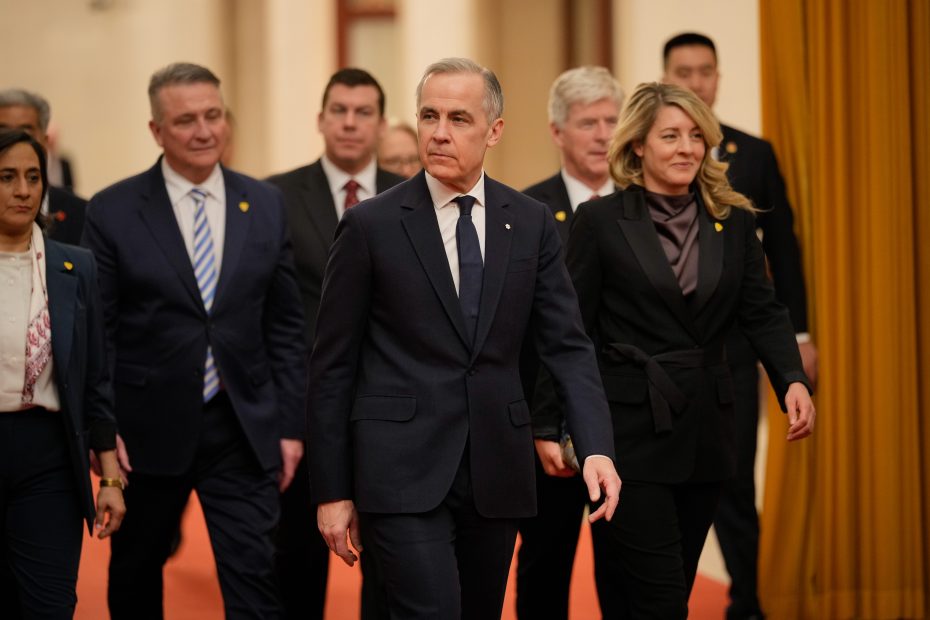
“We have to take care of ourselves because we can’t rely on one foreign partner,” Mark Carney said in a video address. “We can’t control the disruption coming from our neighbors.
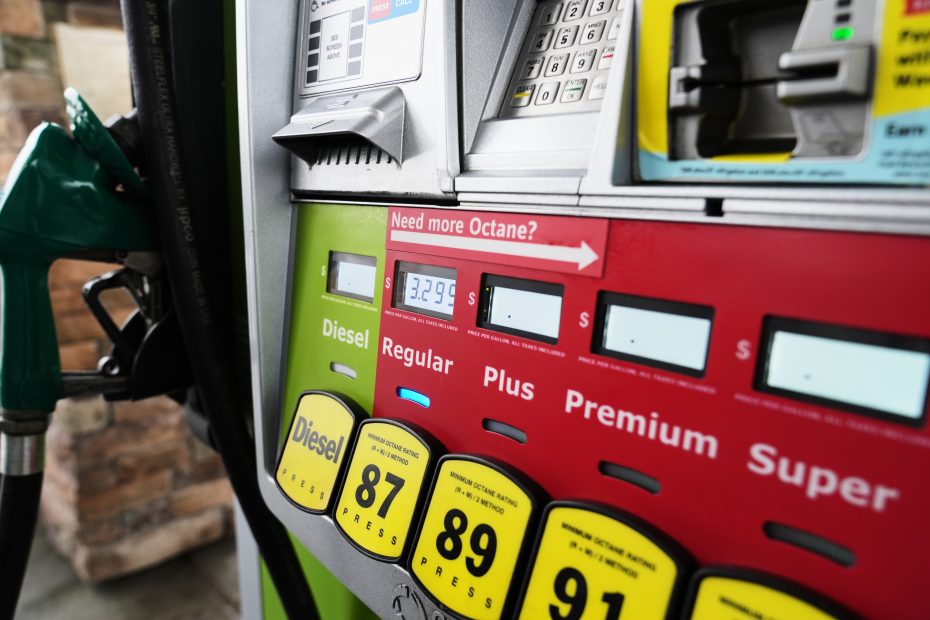
President Donald Trump has taken one risk after another that could have destabilized the American economy. Iran is the latest crisis to test U.S. economic resilience.

We speak with author and activist Bill McKibben about the worsening climate crisis and why the world must rapidly transition to renewable energy in order to stave off the worst impacts. He says the Iran war has exposed the “utter folly” of fossil fuel dependence. “Sunlight has to travel 93 million miles to reach the Earth, but none of those miles go through the Strait of Hormuz,” says McKibben.
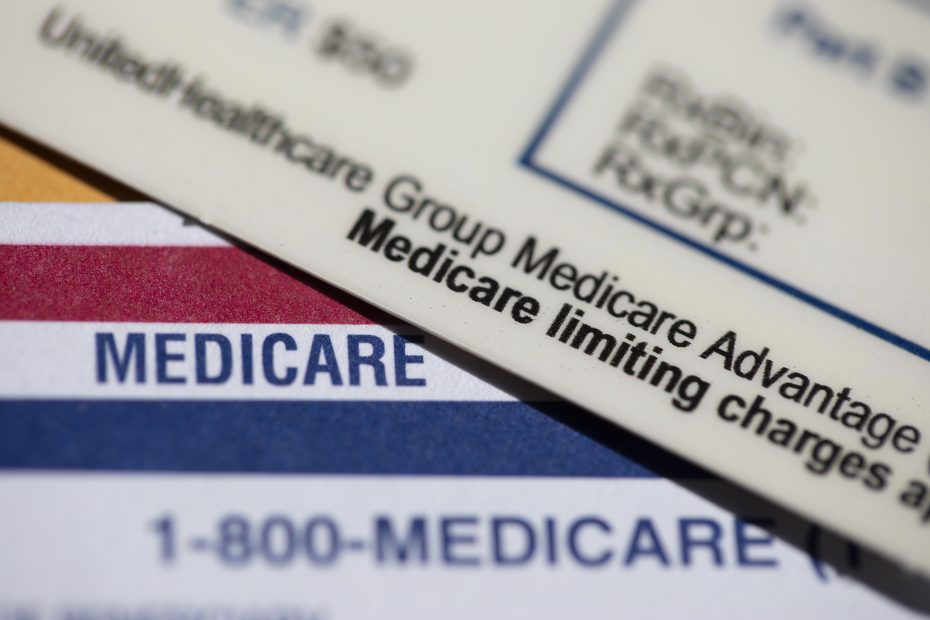
The exposure is linked to a CMS provider directory data intended to help improve accuracy of insurer networks.
The temporary ruling will curtail access nationwide to a drug used in more than two-thirds of abortions.
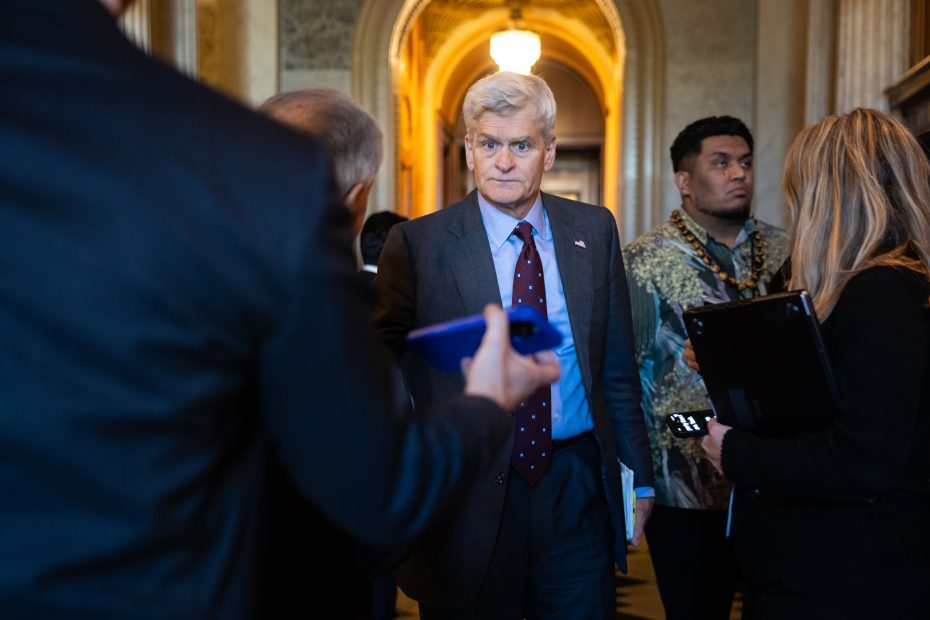
Trump, who dislikes the Louisianan, says the senator’s disloyalty cost his surgeon general pick her nomination.

This is an edition of The Atlantic Daily, a newsletter that guides you through the biggest stories of the day, helps you discover new ideas, and recommends the best in culture. Sign up for it here.
Most wars take a long time to achieve quagmire status, but Donald Trump’s Iran war is precocious. Just 60 days have passed since the president formally notified Congress about the military action there, on March 2. (The first air strikes had begun two days earlier.
On Wednesday, May 13, the Atlantic staff writer Gal Beckerman will sit down with podcast host Adam Harris to discuss Beckerman’s new book, How to Be a Dissident. Beckerman’s book is part philosophy, part history, and part manual for living with integrity in an age of conformity and authoritarian drift. In How to Be a Dissident, Beckerman draws on the stories of dissidents from around the globe and across time, to provide models for pushing back against tyranny.

Hurry! Get up on your two legs (good) or four legs (better) and walk down to your local cineplex, where George Orwell’s Animal Farm has been made into an animated family adventure that critics are describing as “geared to younger children for inexplicable reasons.

This is an edition of the Books Briefing, our editors’ weekly guide to the best in books. Sign up for it here.
Last summer, I spent a shocking amount of time at my local D.C. pool reading about the Ebola virus. As my friends tanned on nearby chairs and tweens did cannonballs, I sat happily in the water, arms and e-reader barely staying dry, learning the details of an outbreak of a terrifying disease just two dozen miles from where I was wading.

Subscribe here: Apple Podcasts | Spotify | YouTube
What happens when the majority of content on the internet tips over into AI slop? On this episode of Galaxy Brain, Charlie Warzel talks to Max Spero, a co-founder of Pangram, an AI-detection company. They discuss how AI-detection tools work and how effective they can be at identifying what’s made by humans and what comes from a chatbot.
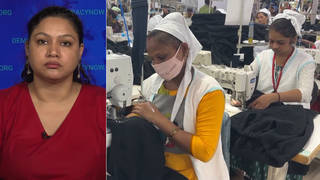
On International Workers’ Day, we take a look at the state of workers’ rights and freedoms in India, where pressure on fuel supplies from the U.S.-Israeli war on Iran has deepened the cost-of-living crisis and labor unrest is on the rise. In mid-April, tens of thousands of workers from the industrial hubs around New Delhi blocked roads to demand a fair wage and better working conditions.

As workers around the world rally to mark May Day, International Workers’ Day, we speak with organizers in Los Angeles and Chicago. The May Day Strong coalition here in the United States says 3,000 protests and events are scheduled across the country with organizers calling for “no school, no work, no shopping.”
The largest May Day protest in Los Angeles is planned at MacArthur Park.
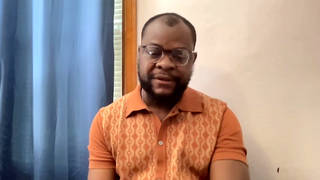
The Supreme Court heard oral arguments this week on President Trump’s push to strip temporary protected status from 350,000 Haitians and 6,100 Syrians living in the United States. The TPS program grants protection from deportation and work authorization to immigrants whose home countries are deemed unsafe to return to, most often because of war or natural disaster. The case could ultimately have ramifications for more than 1 million TPS holders from over a dozen countries.
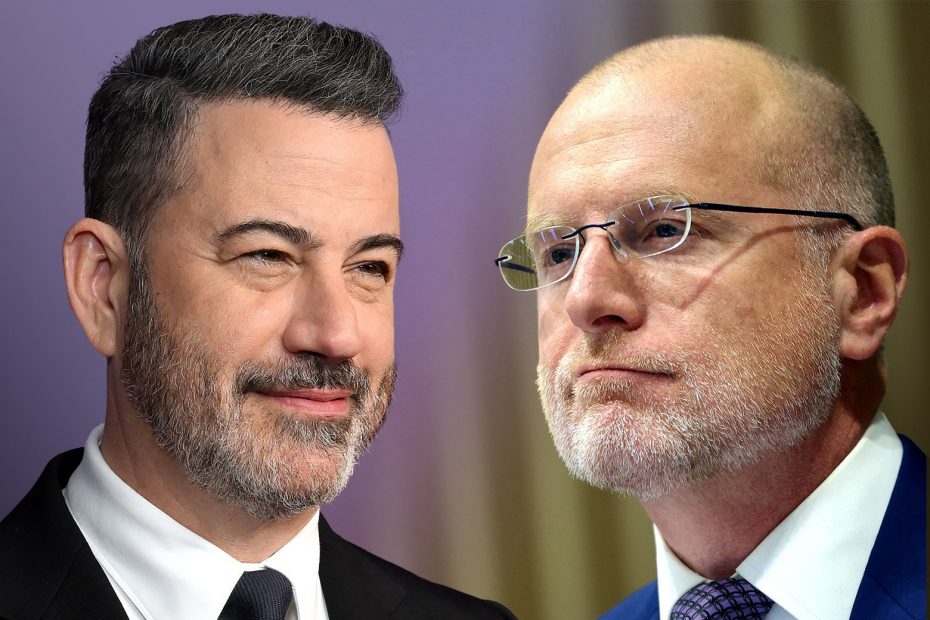
If he can weaponize Jimmy Kimmel’s joke to punish ABC, other media companies with far less will be intimidated out of ever criticizing the president again.
MIT professor Daron Acemoglu explains why we have to choose a pro-worker AI future.
The Apple CEO is stepping down and leaving behind a legacy that has surprised everyone.
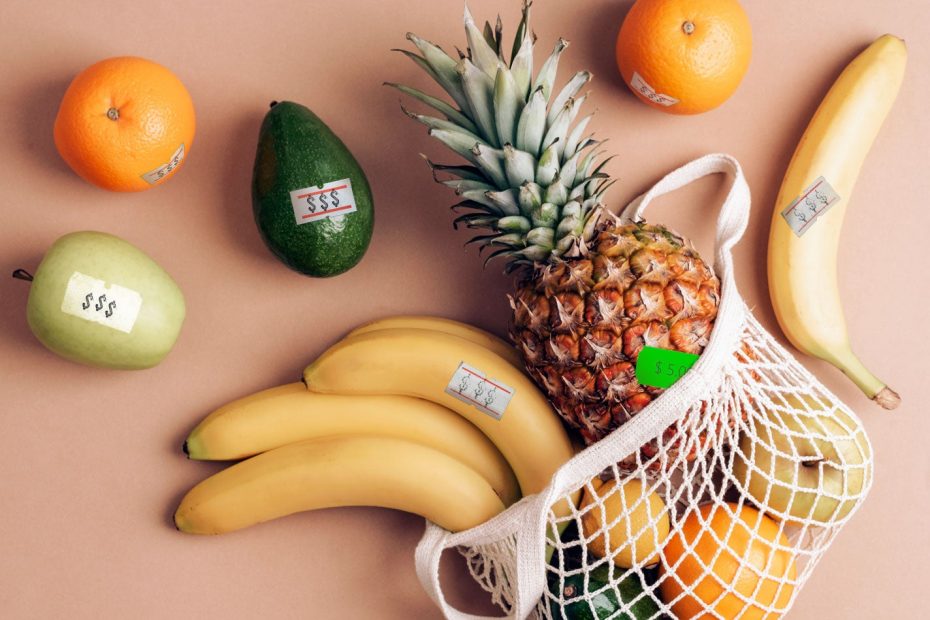
Despite reassuring economic data, many Americans say their day-to-day costs are still rising.
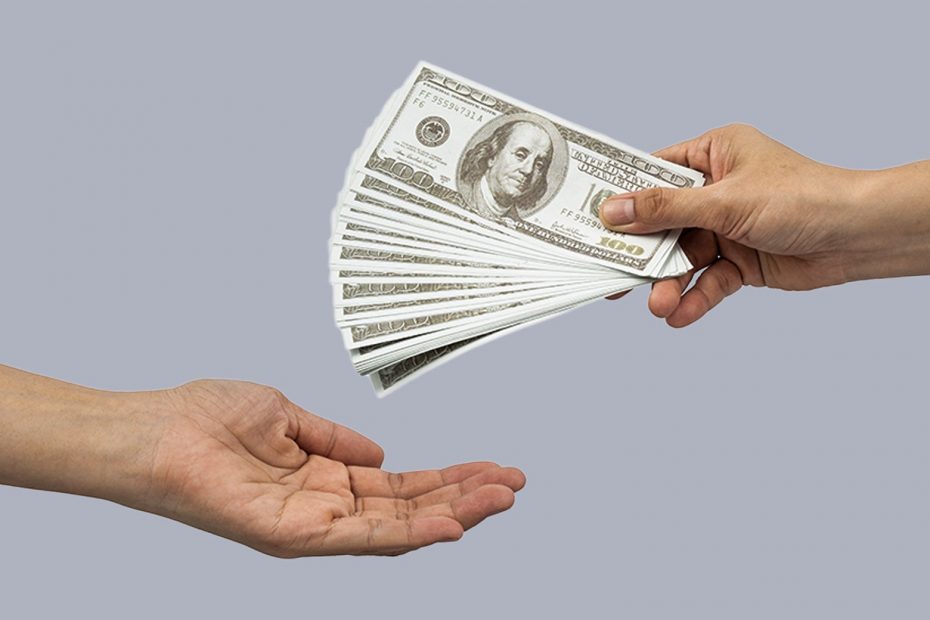
On average, American families have each spent about $1,744.75 on tariffs.
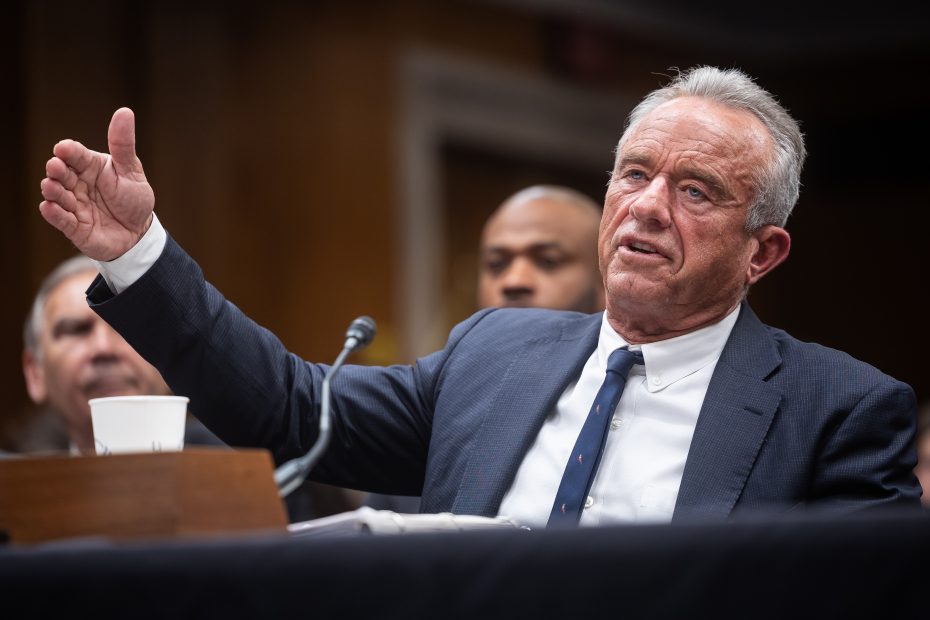
The distributor of the shots said it would cost tens of thousands of lives.
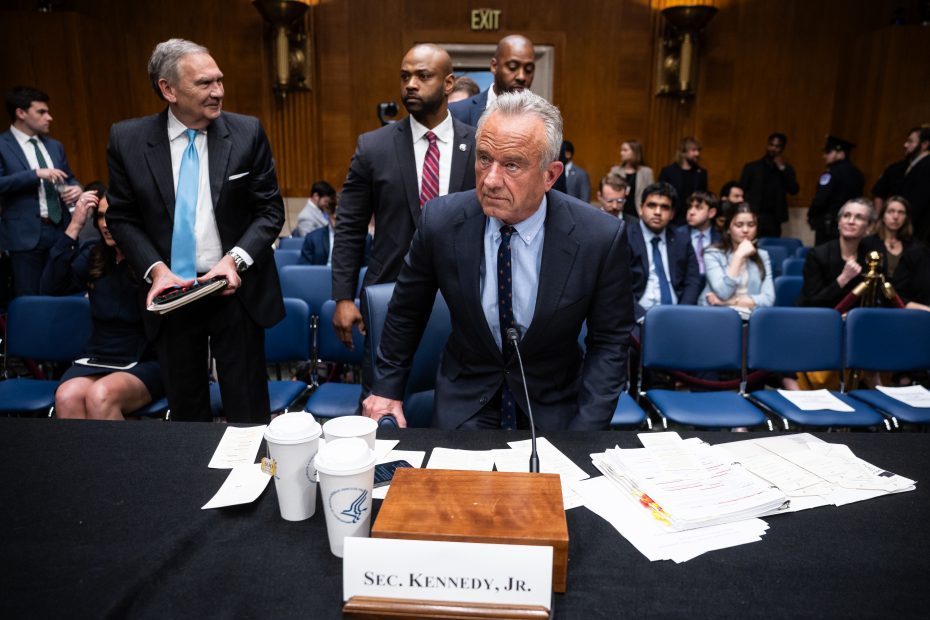
Democratic Sen. Chris Murphy this week blasted the MAHA PAC as a “moral and ethical mess.
GOP leadership wants a narrow party-line bill, but rank-and-file seek to extend block on funds to family planning clinics.