
Remembering, with the People of MCC San Francisco, AIDS Still Isn’t Over.
The neighborhood changes, the church moves, people forget and remember “the AIDS years,” but AIDS isn’t over.

The neighborhood changes, the church moves, people forget and remember “the AIDS years,” but AIDS isn’t over.

The AIDS cocktail opens new possibilities. And MCC San Francisco tries to use the experience of AIDS to make bigger social change.

The church’s minister gets sick and everyone knows it.

The church’s “it couple” faces AIDS, caregiving, and loss as part of a pair, part of families, and part of a community.
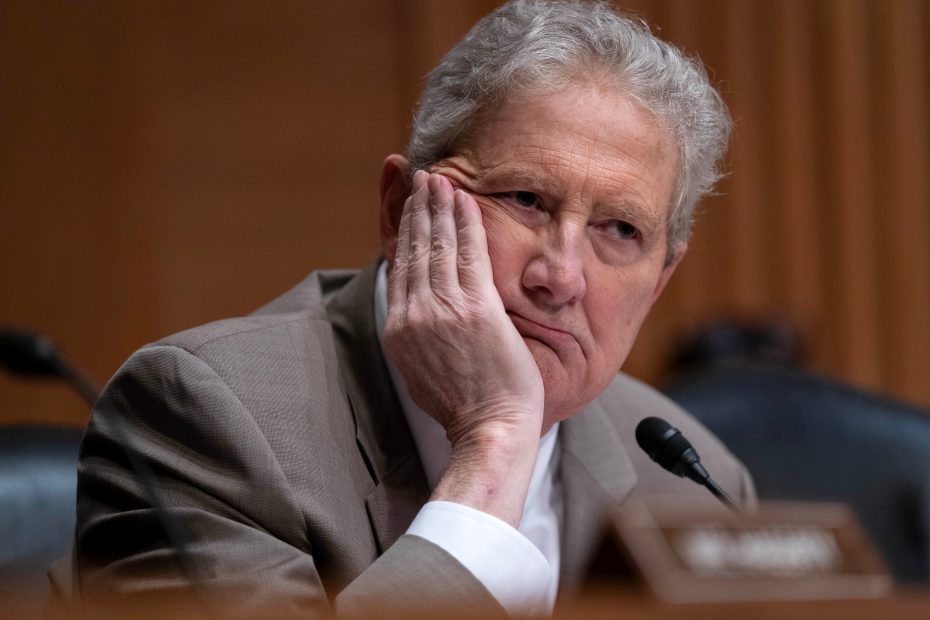
The Louisiana Republican’s comments come as both Democrats and Republicans have been forced to find ways to address the backlash against data centers.
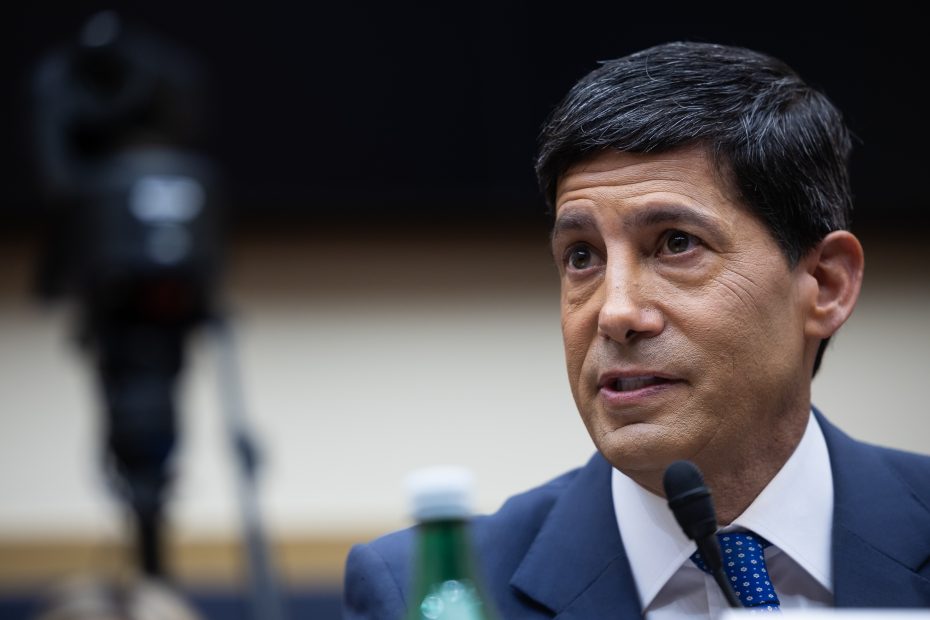
The new Fed chair will have the spotlight at the central bank’s high-profile conference in Jackson Hole. He should use it.

Vice President JD Vance’s visit marked his second to Maine’s 2nd Congressional District in four months.

University students across the United States held a national day of action in solidarity with “Jane Doe,” the anonymous former student whose lawsuit alleging she was gang-raped by seven Cornell University Chi Phi fraternity members in 2024 has reignited outrage over how campuses and local law enforcement mishandle sexual assault cases and fail survivors.
The 2026 Nobel Peace Prize has been awarded to Navanethem “Navi” Pillay, the South African jurist who led the United Nations commission of inquiry that concluded that Israel had committed genocide in Gaza. Pillay’s long career in international human rights law includes work as a defense attorney for anti-apartheid activists, president of the International Criminal Tribunal for Rwanda, a former judge at the International Criminal Court and the U.N.

Protests have erupted in New York City after a federal immigration agent shot and wounded a man in the Bronx on Thursday afternoon. As masked agents reportedly posing as construction workers attempted to arrest 28-year-old Oscar Belgal, they opened fire on his car. Belgal was shot in the neck. His 5-year-old child, who was in the back seat, was physically unharmed.

This week marks 25 years since the U.S.-led invasion of Afghanistan, the beginning of what would become the longest war in U.S. history. After installing a pro-Western government in Kabul in December 2001, U.S. and other NATO troops would remain in the country for the next two decades battling a stubborn insurgency — until a chaotic U.S. withdrawal in August 2021 that saw the Taliban return to power.
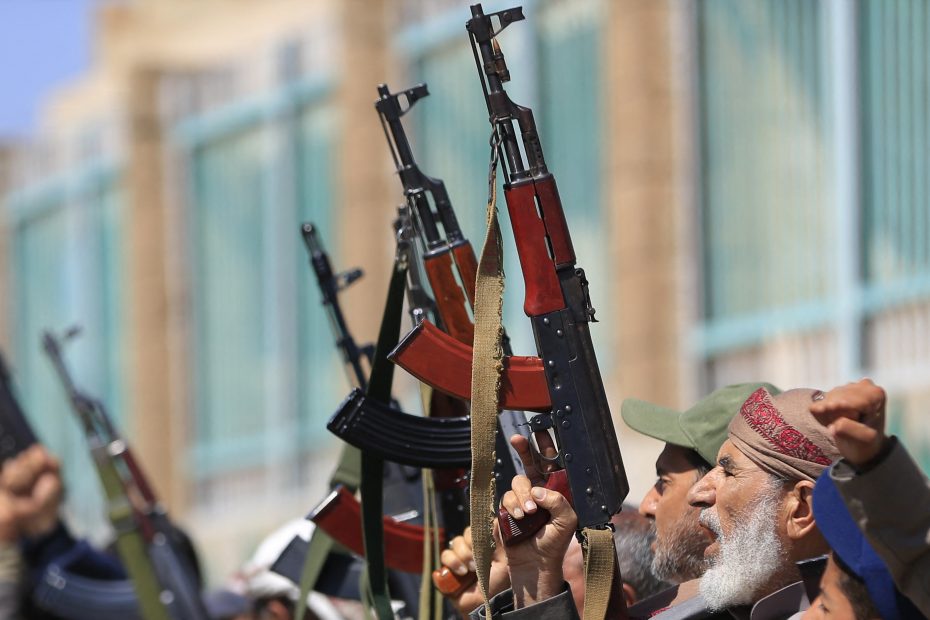
Yesterday in Riyadh, a missile fired by Yemen’s Houthis struck King Khalid International Airport, killed 13 people, and wounded hundreds more. Attacks in the previous week had killed four others. Because Saudi Arabia has been trying for years to shed its reputation for austerity and discomfort, a sterile, boring airport with overpriced pastries and harsh lighting is a national accomplishment.

A 62-grain, 5.56-mm round leaves the barrel of a standard-issue M4 rifle at approximately 2,900 feet per second. When it strikes a human being, the results are violent, traumatic, and unpredictable. If Defense Secretary Pete Hegseth has his way, such images will soon be broadcast to the American people. The Pentagon has announced that the execution of Nidal Hasan, the Army officer convicted of killing 13 fellow service members in a 2009 mass shooting at Fort Hood, in Texas, will be livestreamed.

Even if you don’t know much country music, you likely know how much the genre loves the trope of the weepy father at his daughter’s wedding. In the best sketch of last night’s Saturday Night Live, the father of the bride was played by the host, Shane Gillis, but he wasn’t reflecting on life’s heavy milestones. Instead, he was thinking about “all the cool shit I can put in her room.

and then I lose an hour to those billiard-trick-shot videos,
magnificent, their impossible spins, flawless timing,
the punctuated clunk of the corner pockets like God exhaling
just a little. I lose another hour watching and another.
Months evaporate this way. There’s the one where the cue ball
kisses every single solid in procession as if in a receiving line
before sinking the eight.

Both run by Democrats, New York is calling in the federal government for help, while Pennsylvania delayed formally involving the Trump administration.

Because literary journals tend to have small circulations, few readers are likely to have come across “The Whistleblower,” a short story by the Zimbabwean writer Simbarashe Steyn Kundizeza. Published in 2021 in a journal called Transition, the story is a taut and closely observed political thriller in miniature.

To celebrate our 30th birthday, here’s a time capsule containing the best listicles from our three decades.

Personal finance expert Adam Auriemma on budgeting, renting versus buying, investments, financial advisors, and more!

New York Times investigative reporter Ellen Gabler on what can go wrong when investors stand to profit from a personal-injury lawsuit.

He said it would be difficult to move forward proactively without more transparency from the Russians.

The State Department’s new approach to foreign aid is changing the way the Centers for Disease Control and Prevention works abroad.
Tony Lyons, the leading organizer of the Make America Healthy Again movement, promised to raise $100 million to support Republicans this year. He’s nowhere close.

While most GOP-enacted cuts to Medicaid and other safety net programs won’t happen until 2027, Democrats are speaking to the voters already feeling the squeeze.
Many voters fear artificial intelligence threatens their lives, but the health secretary stressed its potential benefits during a Make America Healthy Again Summit.

Outward’s hosts sit down with the host and co-creator of When We All Get to Heaven.

The neighborhood changes, the church moves, people forget and remember “the AIDS years,” but AIDS isn’t over.

The AIDS cocktail opens new possibilities. And MCC San Francisco tries to use the experience of AIDS to make bigger social change.

The church’s minister gets sick and everyone knows it.
