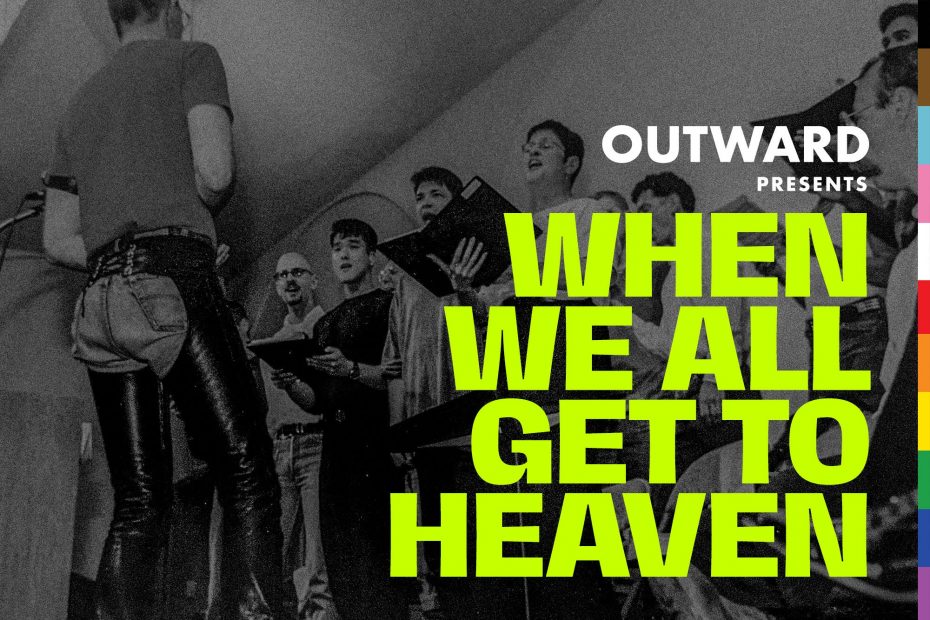
What Happens When You Organize Church Around AIDS – and AIDS Changes?
The AIDS cocktail opens new possibilities. And MCC San Francisco tries to use the experience of AIDS to make bigger social change.

The AIDS cocktail opens new possibilities. And MCC San Francisco tries to use the experience of AIDS to make bigger social change.
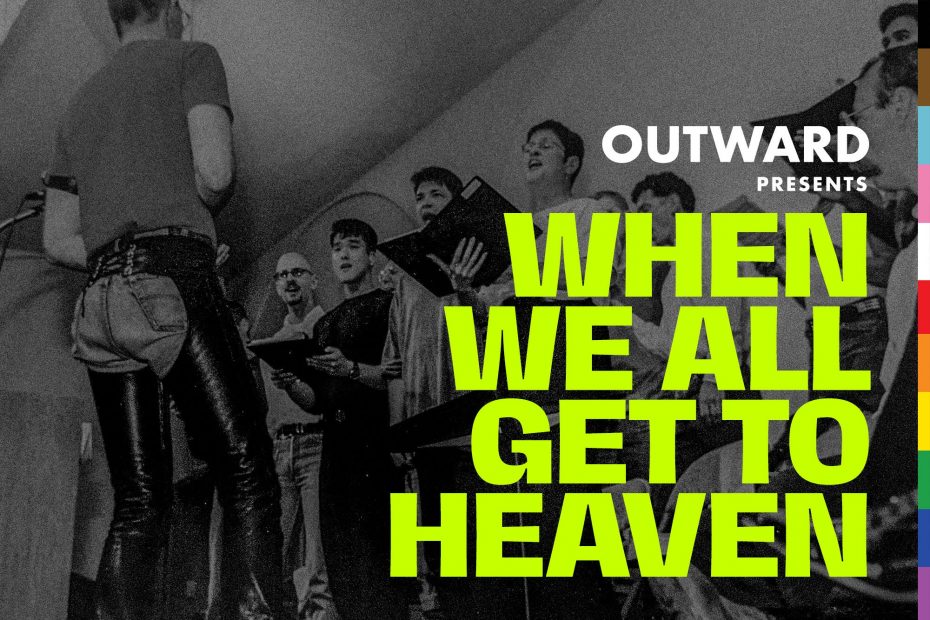
The church’s minister gets sick and everyone knows it.
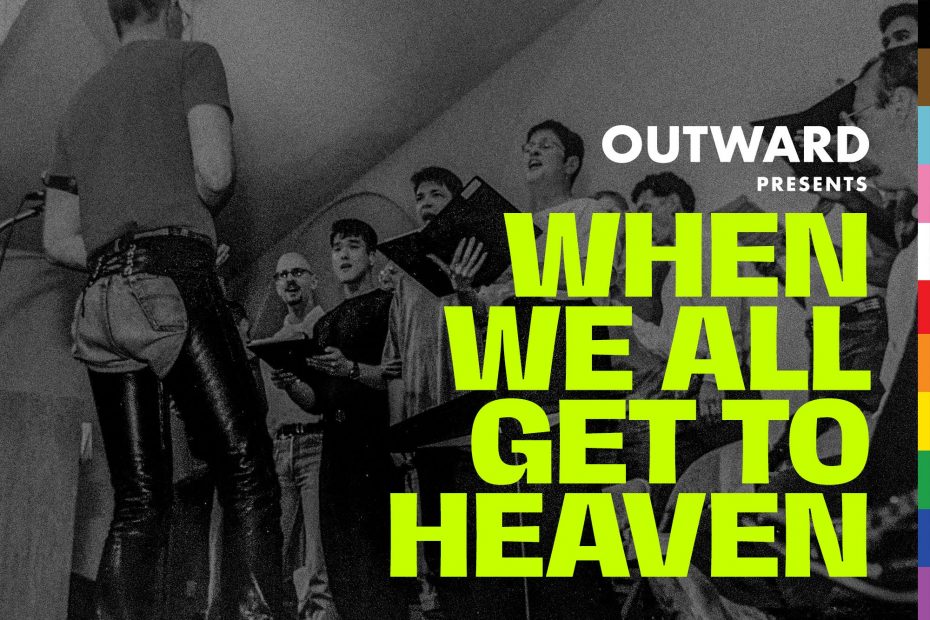
The church’s “it couple” faces AIDS, caregiving, and loss as part of a pair, part of families, and part of a community.
Hollywood’s blockbuster adaptation of the ancient Greek epic The Odyssey premieres around the world today amid growing calls for a boycott. Human rights campaigners are criticizing director Christopher Nolan over his decision to film part of the film in Western Sahara, a vast territory in northwestern Africa that Morocco has occupied for the past half-century.
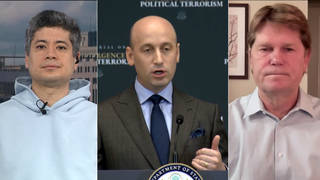
Secretary of State Marco Rubio and top White House adviser Stephen Miller are pushing for a global crackdown on leftist organizations. The State Department on Thursday hosted a summit “on the resurgence of political terrorism,” where Miller described the left as “enemies of civilization” and described efforts to “disrupt, identify, defund, debank, arrest and prosecute these political terrorists that are operating in our country.” Rubio announced the U.S.
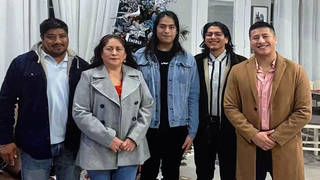
Hundreds of community members gathered in Houston on Thursday evening for a public viewing of Lorenzo Salgado Araujo, the 52-year-old Mexican man shot and killed by an ICE agent on July 7. His sons stood by their father’s casket for hours greeting mourners who wore blue, Salgado Araujo’s favorite color. A mariachi band played, and several altars adorned the chapel: One table held Salgado Araujo’s construction tools and hard hats, while another displayed two of his Mexico soccer jerseys.
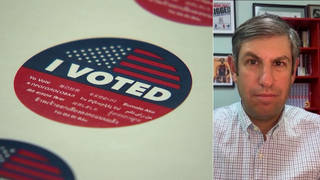
In a primetime address on Thursday, President Trump accused China of meddling in U.S. elections in his latest effort to spread doubt about the U.S. voting system ahead of the midterm elections in November. Trump announced he was declassifying documents that show what he called “shocking vulnerabilities in our election infrastructure,” but offered no evidence that China or any other country directly interfered with recent elections.
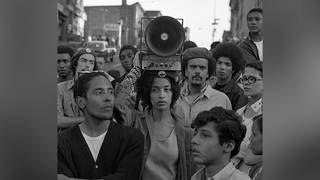
Lifelong activist, organizer and educator Denise Oliver-Vélez has died at the age of 78. She was a central figure in the civil rights movements of the 1960s and 1970s and was the first woman elected to the Young Lords Central Committee, a radical Puerto Rican human rights group modeled on the Black Panther Party, which Oliver-Vélez was also a member of. She later became the first Black female program director in public radio and taught at SUNY New Paltz.

Building a new monument in Washington, D.C., is supposed to take time—a slow procedural grind of plans drafted, designs revised, studies conducted, and preservationists, historians, tribes, and architects consulted all before work crews ever break ground. The idea is to preserve the carefully choreographed symbolism of the federal city. That is not the approach favored by Donald Trump, who wants to leave his mark on the city’s symbolic core before he leaves office.

Argan, shea butter, & castor. A thousand ways
to soften, mist & moisture, but nothing to supple
knees: crease immune to chemical peel & heel mask,
instrument of pray & beg. I cough up aerosol
in wet white clouds, bleach them into beauty
slick as slobbered bone.

Late last year, President Trump announced that Washington would loosen controls on chip exports to China, permitting Nvidia to sell its H200 AI chip to approved Chinese firms. The president’s decision raised the alarm among lawmakers that he was sacrificing American security and the country’s edge in AI for a trade deal with China’s leader, Xi Jinping. But any concern that Chinese companies would be gobbling up precious Nvidia chips was soon squelched by Beijing’s own ban on orders of the H200.
This is an edition of The Atlantic Daily, a newsletter that guides you through the biggest stories of the day, helps you discover new ideas, and recommends the best in culture. Sign up for it here.
Welcome back to The Daily’s Sunday culture edition, in which one Atlantic writer or editor reveals what’s keeping them entertained.
In 1876, as corruption scandals shook the Ulysses S. Grant administration, the poet, diplomat, and founding Atlantic editor James Russell Lowell wondered where the American experiment was headed. “Is ours a ‘government of the people, by the people, for the people,’” he wrote, “or a Kakistocracy rather, for the benefit of knaves at the cost of fools?”
Now there’s a $10 word for you. From the Greek kakos, for “bad,” kakistocracy means “rule by the worst.

From Chipotle to Chopt, the cyclosporiasis outbreak is causing an implosion of sales—and an explosion of problems elsewhere.
It looks like Bending Spoons’ bet on nostalgia brands like AOL, Vimeo, and Evernote is playing off after its big IPO this week.
Nobel Prize winner Alvin Roth explains what we learn when markets are shaped by big ethical questions.
Comcast splits from NBCUniversal as media companies realize bigger isn’t better.
The Trump administration said Monday Americans in Congo, where Ebola is spreading, must spend three weeks in a third country before coming home.
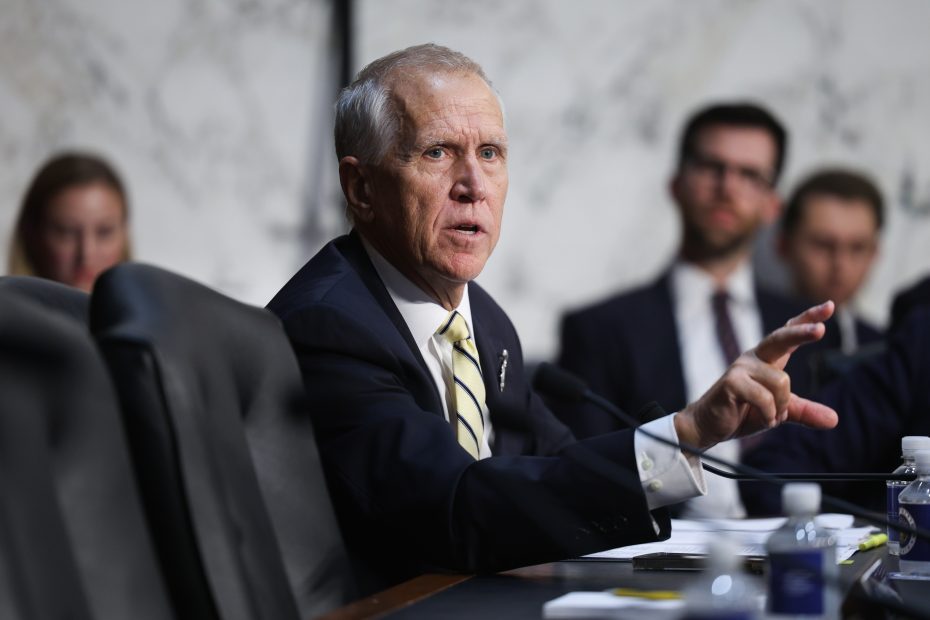
John Cornyn, Bill Cassidy and Thom Tillis are leaving the Senate after warring with Trump, but they still can block the president’s appointees.
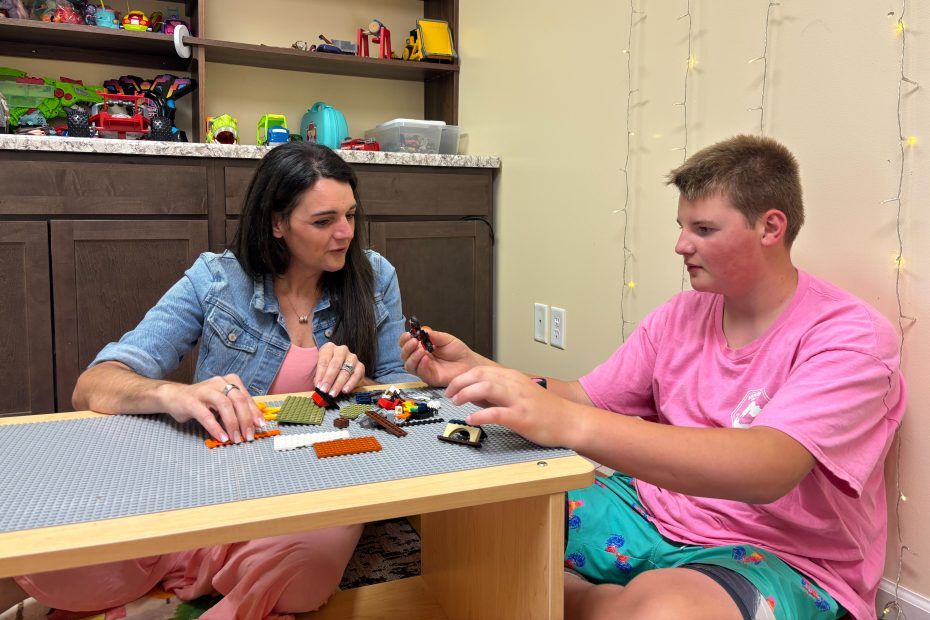
The Trump administration’s crackdown on Medicaid fraud in Minnesota has upended finances and disrupted access to care.
U.S. citizens in the Democratic Republic of the Congo will have to spend 21 days in a third country before returning to the U.S., even if they show no signs of disease.
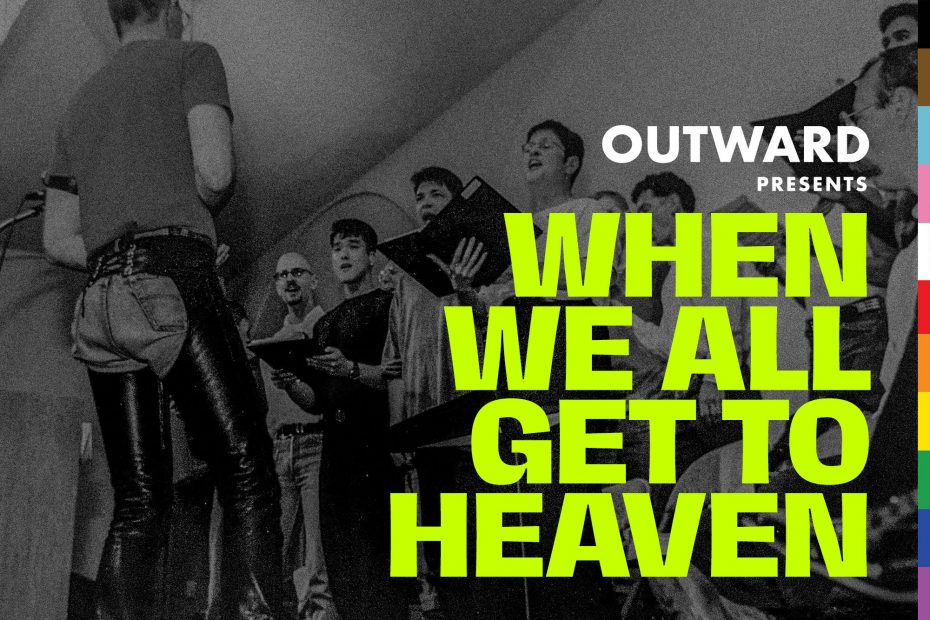
Outward’s hosts sit down with the host and co-creator of When We All Get to Heaven.
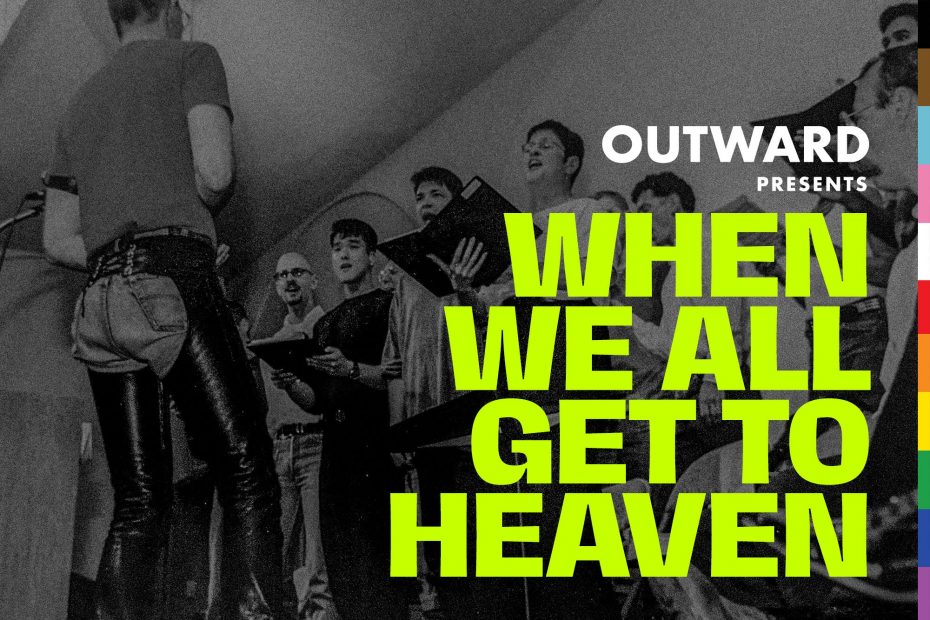
The neighborhood changes, the church moves, people forget and remember “the AIDS years,” but AIDS isn’t over.
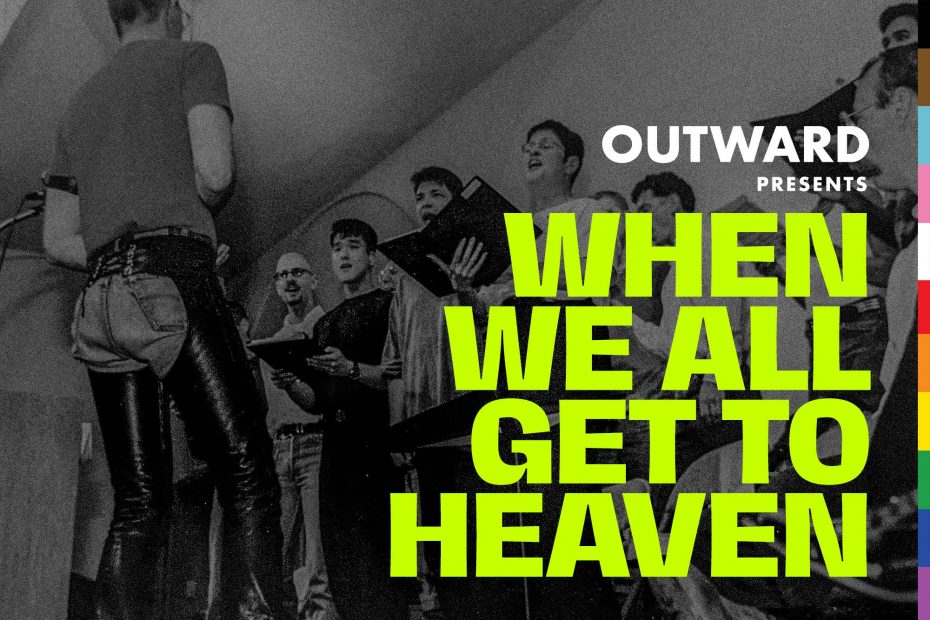
The AIDS cocktail opens new possibilities. And MCC San Francisco tries to use the experience of AIDS to make bigger social change.
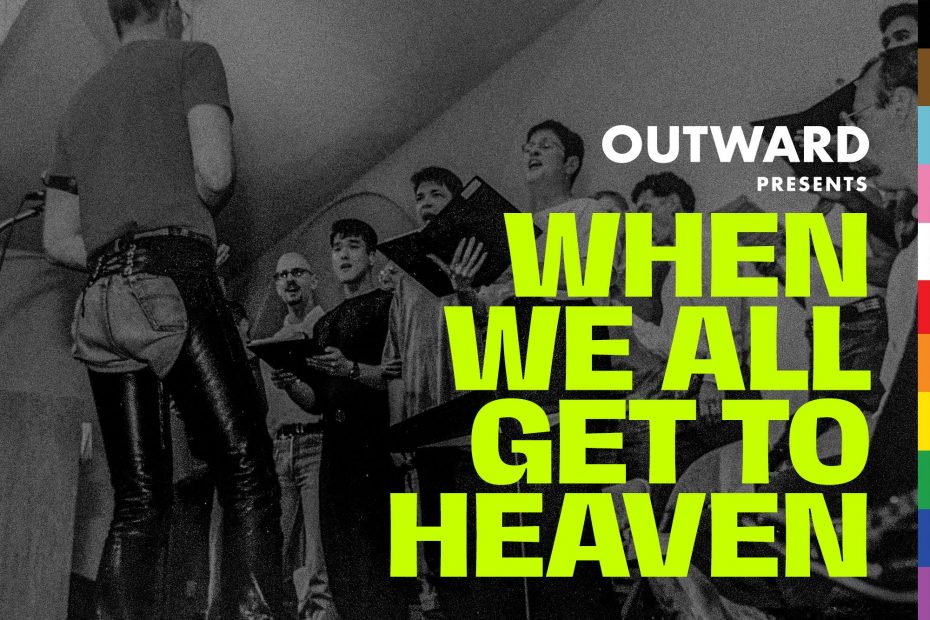
The church’s minister gets sick and everyone knows it.
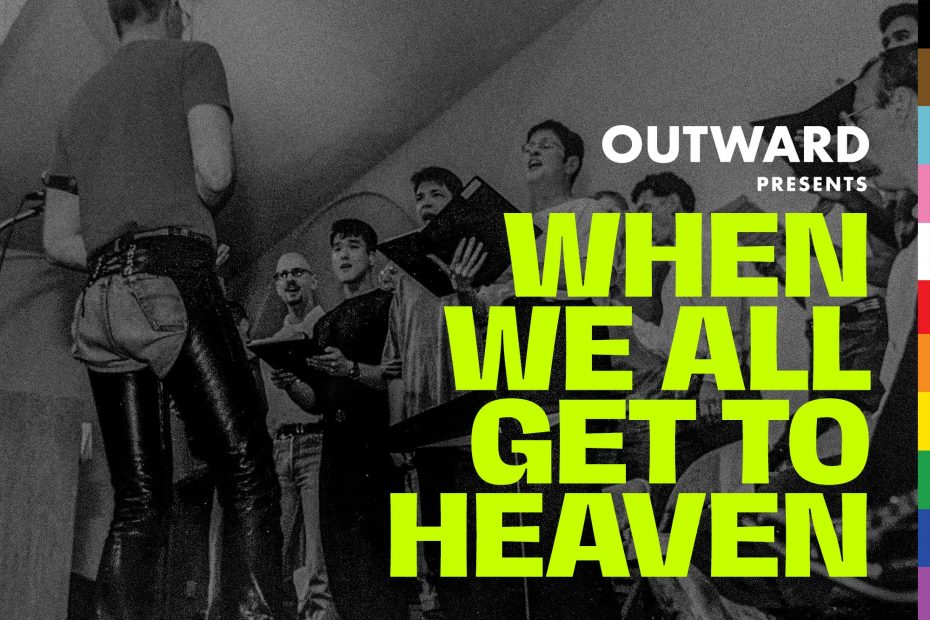
The church’s “it couple” faces AIDS, caregiving, and loss as part of a pair, part of families, and part of a community.
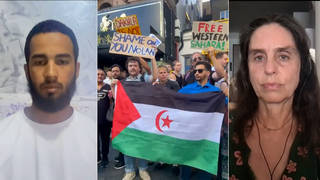
Hollywood’s blockbuster adaptation of the ancient Greek epic The Odyssey premieres around the world today amid growing calls for a boycott. Human rights campaigners are criticizing director Christopher Nolan over his decision to film part of the film in Western Sahara, a vast territory in northwestern Africa that Morocco has occupied for the past half-century.
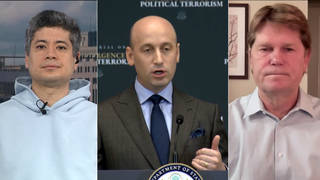
Secretary of State Marco Rubio and top White House adviser Stephen Miller are pushing for a global crackdown on leftist organizations. The State Department on Thursday hosted a summit “on the resurgence of political terrorism,” where Miller described the left as “enemies of civilization” and described efforts to “disrupt, identify, defund, debank, arrest and prosecute these political terrorists that are operating in our country.” Rubio announced the U.S.
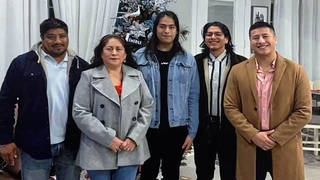
Hundreds of community members gathered in Houston on Thursday evening for a public viewing of Lorenzo Salgado Araujo, the 52-year-old Mexican man shot and killed by an ICE agent on July 7. His sons stood by their father’s casket for hours greeting mourners who wore blue, Salgado Araujo’s favorite color. A mariachi band played, and several altars adorned the chapel: One table held Salgado Araujo’s construction tools and hard hats, while another displayed two of his Mexico soccer jerseys.
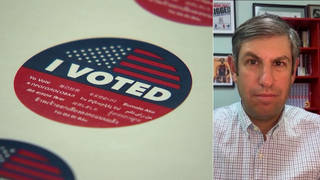
In a primetime address on Thursday, President Trump accused China of meddling in U.S. elections in his latest effort to spread doubt about the U.S. voting system ahead of the midterm elections in November. Trump announced he was declassifying documents that show what he called “shocking vulnerabilities in our election infrastructure,” but offered no evidence that China or any other country directly interfered with recent elections.