
McMorris Rodgers doubles down on transparency bill
Key takeaways from POLITICO’s ‘Transforming Health Care: Site-Neutral Payments & Billing Transparency’ live event.
Key takeaways from POLITICO’s ‘Transforming Health Care: Site-Neutral Payments & Billing Transparency’ live event.
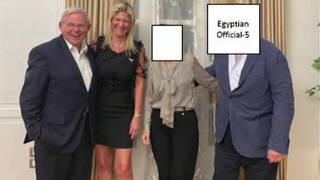
On Friday, Democratic Senator Bob Menendez and his wife were accused by federal prosecutors of accepting bribes in exchange for using his position to increase U.S. assistance to Egypt and to do favors for three New Jersey businessmen, including Wael Hana, an Egyptian American who ran a lucrative business certifying halal meat exports.
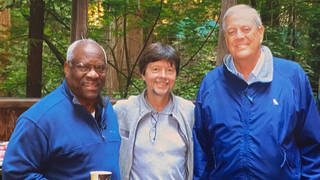
A new damning investigation from ProPublica reveals Supreme Court Justice Clarence Thomas attended multiple fundraisers in connection with the billionaire Koch brothers, who have spent millions on conservative causes and funneled vast donations into Republican campaigns. “None of this was disclosed as it should have been on his annual financial disclosures,” says Justin Elliott, reporter for ProPublica covering Supreme Court corruption and ethics.
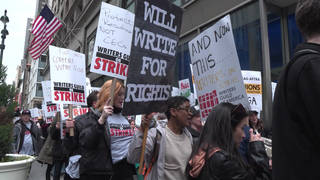
The Writers Guild of America has announced that a tentative deal has been reached between striking writers and Hollywood studios, four months after the strikes shut down production of scripted movies and television. The WGA leadership will meet Tuesday to vote on the deal, which includes many of the demands of the striking writers, including higher pay and residual payments for streaming content and new rules about the use of artificial intelligence.

Key takeaways from POLITICO’s “Confronting America’s Opioid Crisis” live event in Texas.
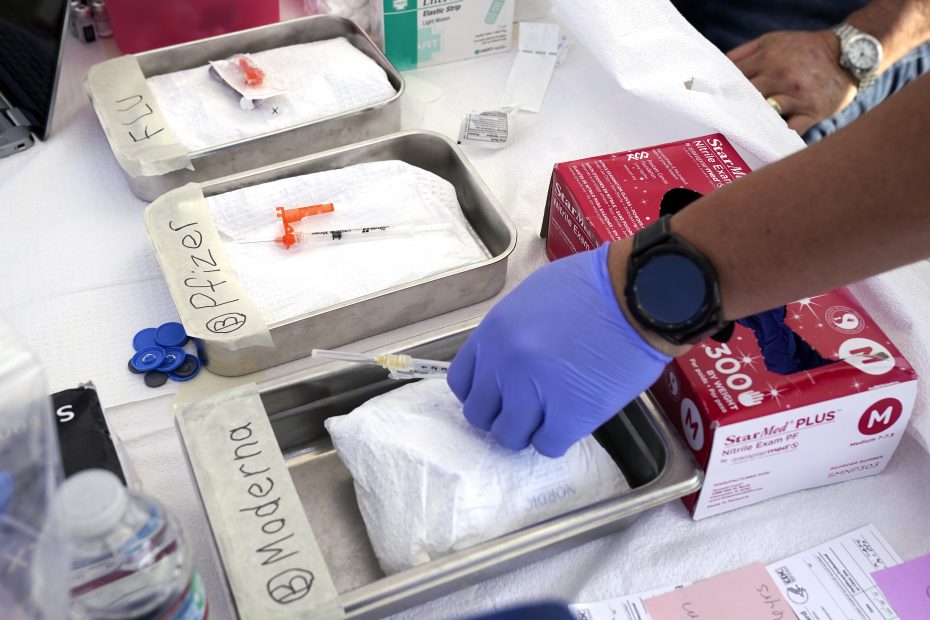
Most Americans with public and private health insurance can still get the shot for free, as long as they visit in-network providers.

CMS announcement comes as states review program eligibility for the first time in three years.

Health experts are sounding the alarm over the anti-vaccine movement’s rise.
Donald Trump’s recent moderate turn on abortion has boxed in the deep-pocketed anti-abortion groups.
The United Auto Workers announced a strike at three plants — one each at Ford, General Motors and Stellantis — overnight.
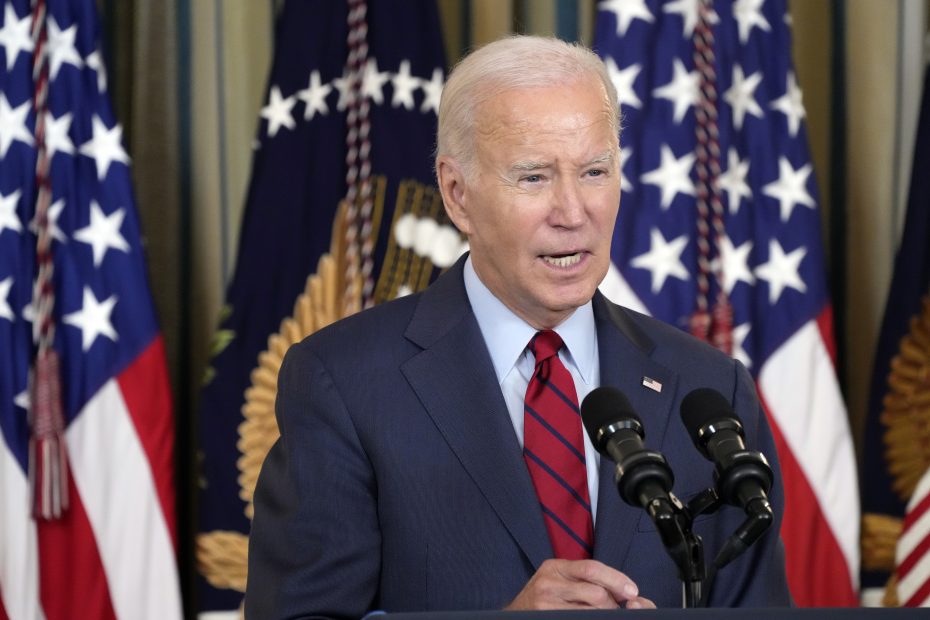
A super PAC affiliate is spending $13 million far ahead of the normal advertising timeline.
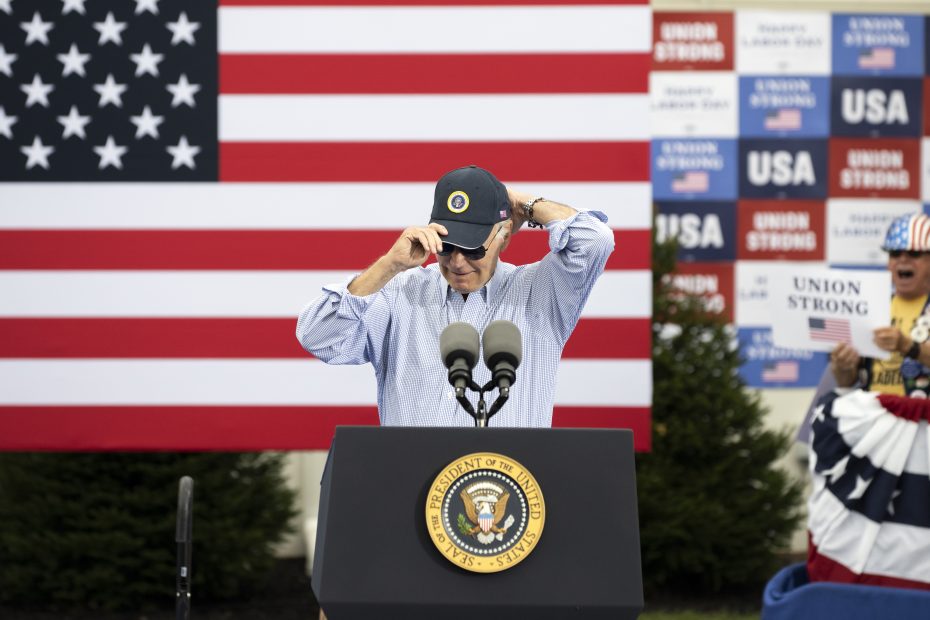
The president leaned into his achievements at a Labor Day event in Philadelphia, but a new poll reflects widespread disapproval.
Fears are growing of another U.S. government shutdown as soon as October 1, with Republican House Speaker Kevin McCarthy unable to overcome opposition from far-right lawmakers in his own party to pass spending measures to keep the government funded. For more on what’s happening on Capitol Hill, we speak with Democratic Congressmember Ro Khanna of California, who says the chaos of a shutdown will hurt many ordinary people as federal workers go unpaid and public services suffer.
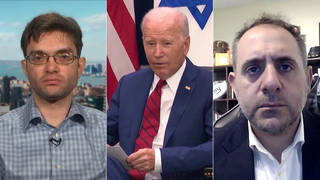
President Biden has invited Israeli Prime Minister Benjamin Netanyahu to the White House later this year after the two leaders met on the sidelines of the United Nations this week. The invitation is a major victory for Netanyahu and comes as his far-right government guts the power of the judiciary and moves closer to full annexation of the West Bank, with Israeli forces killing hundreds of Palestinians so far this year.

As billionaire Rupert Murdoch announces he will resign as head of his media empire, we speak with Angelo Carusone, president and CEO of the watchdog group Media Matters for America, about the right-wing mogul’s influence on journalism and politics over the last seven decades.
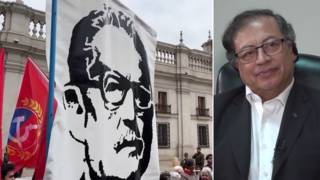
Colombian President Gustavo Petro says the U.S.-backed coup in Chile 50 years ago, when General Augusto Pinochet deposed socialist President Salvador Allende, left a lasting scar across Latin America. Many progressives took up arms against corrupt governments, often led by “Nazis,” Petro says, fueling decades of conflict that is only now beginning to fade.
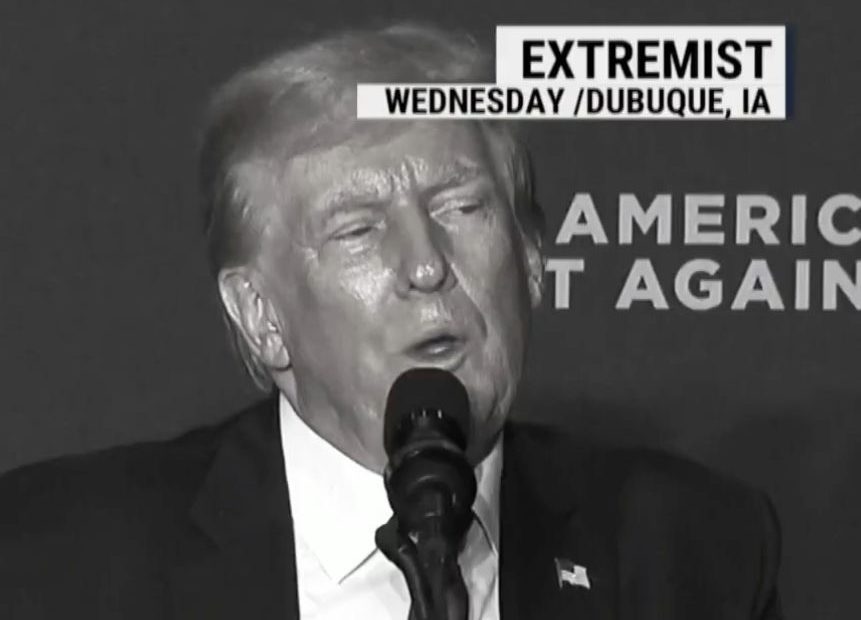
MSNBC’s Mehdi Hasan rolled the tape on the former president’s contrasting comments on abortion rights.
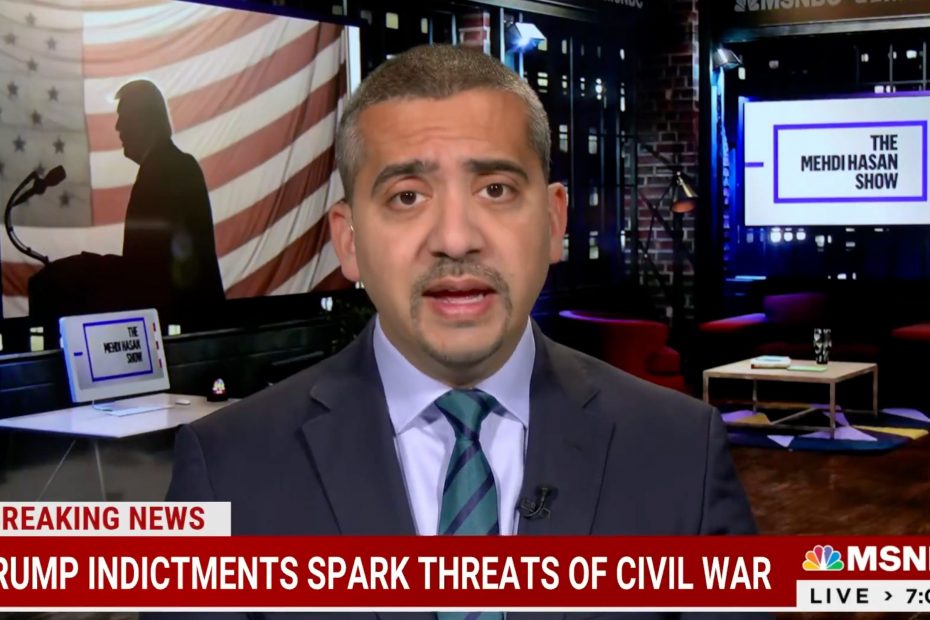
Hasan explained how “three of the most destructive events of my lifetime” would not have happened without the billionaire media baron.
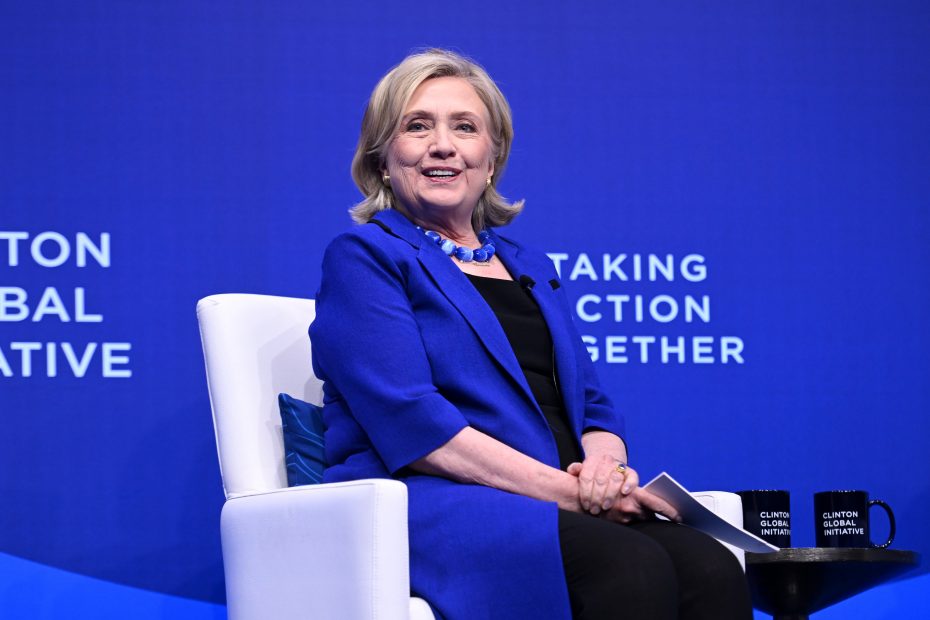
“They just want to be able to grandstand and try to cause President Biden problems,” the former secretary of state said of far-right Republicans.
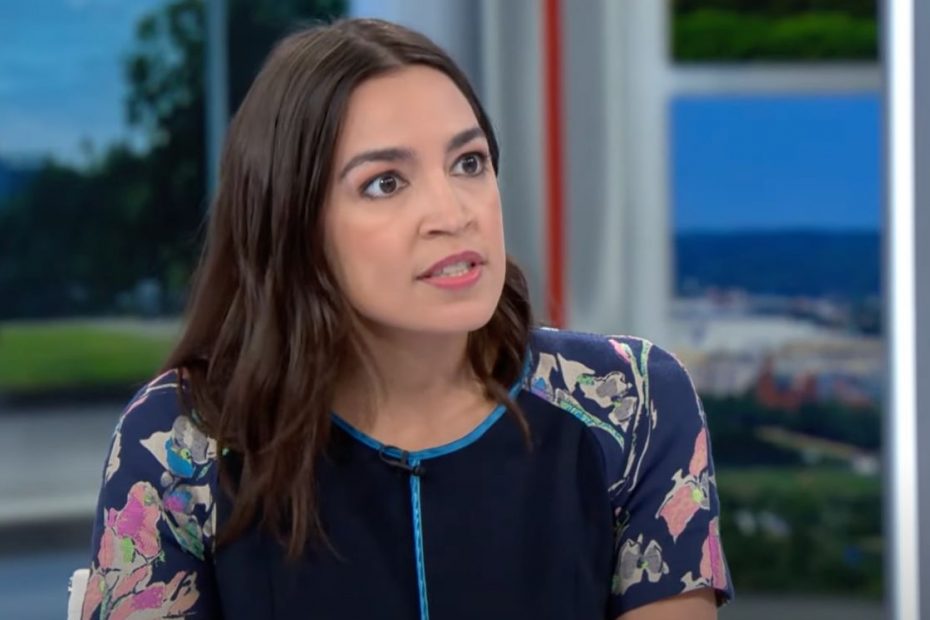
The New York congresswoman joins the ranks of numerous other Democrats calling for his resignation after a bombshell corruption indictment.
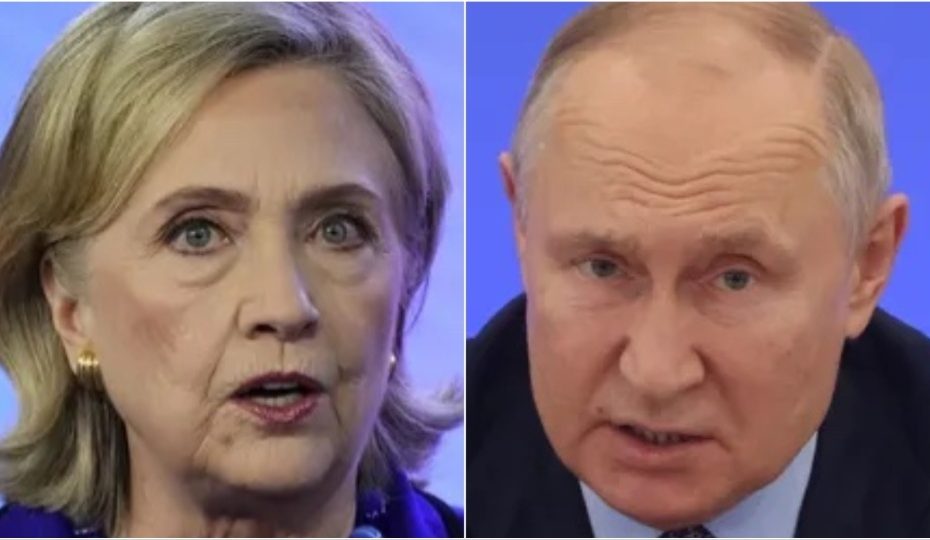
“The Russians have proved themselves to be quite adept at interfering and if [Putin] has a chance, he’ll do it again,” Clinton told Jen Psaki.
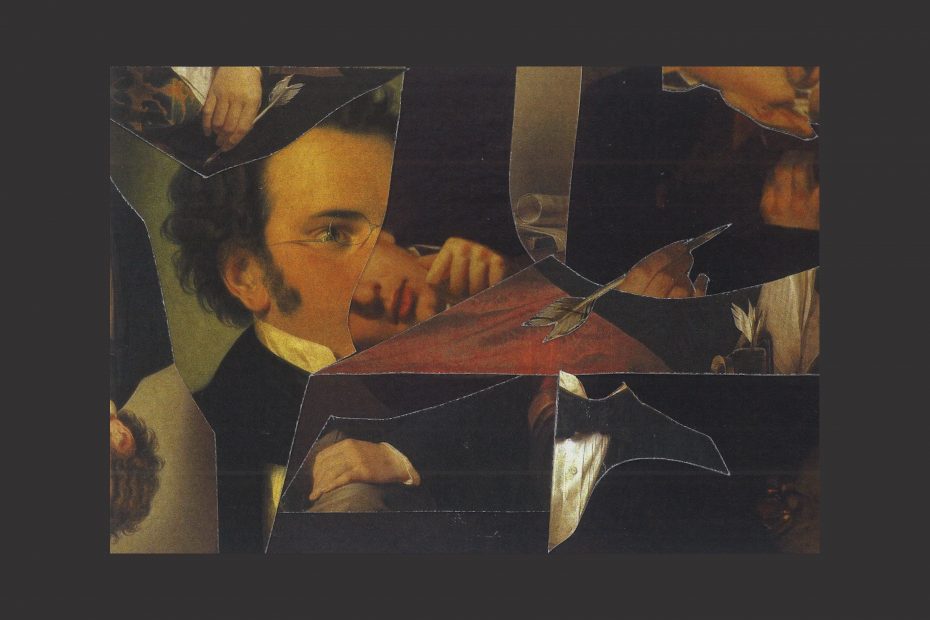
I’ve passed the house of Mrs. Revere
Often enough when her windows were open
To know she’d rather listen to Schubert
Most evenings than watch whatever the networks
Are beaming into her neighbors’ homes.Now that she’s lived, as I have, far longer
Than twice Schubert’s 31 years,
I wonder if she’d be willing, as I tell myself
I would be, to subtract some of the time still left her
If it could be carried back to his eraAnd added to his scant sum.

This article was originally published by Hakai Magazine.To see a great white shark breach the waves, its powerful jaws clasping a shock-struck seal, is to see the very pinnacle of predatory prowess. Or so we thought. Several years ago, in South Africa, the world was reminded that even great white sharks have something to fear: killer whales.Long before they started chomping on yachts, killer whales were making headlines for a rash of attacks on South African great white sharks.

This is an edition of The Atlantic Daily, a newsletter that guides you through the biggest stories of the day, helps you discover new ideas, and recommends the best in culture. Sign up for it here.Welcome back to The Daily’s Sunday culture edition, in which one Atlantic writer reveals what’s keeping them entertained. Today’s special guest is our staff writer Ross Andersen.
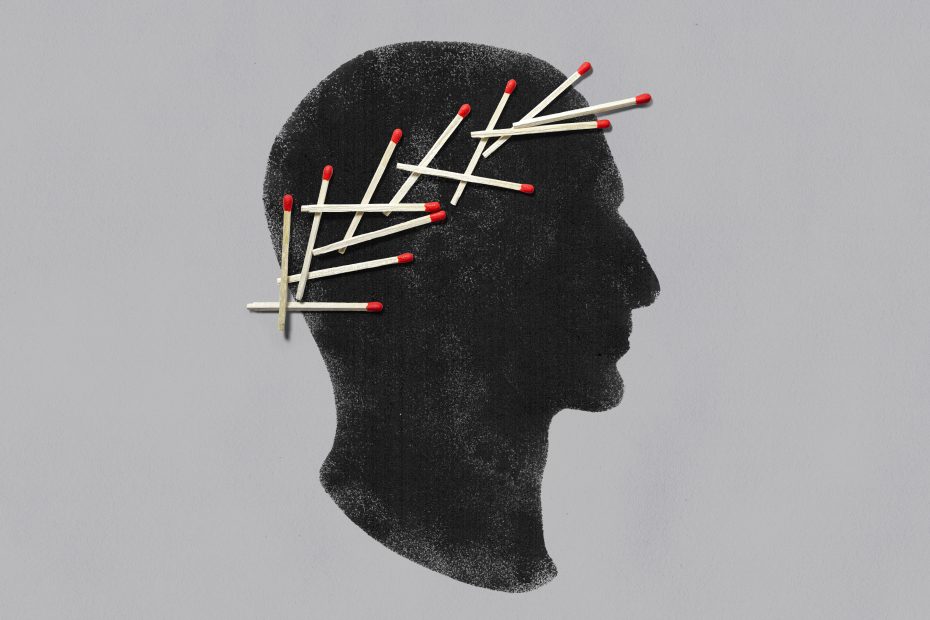
Caesars are back, big caesars and little caesars, in big countries and little countries, in advanced nations and developing nations. The world seems to be full of self-proclaimed strongmen strutting their stuff, or waiting in the wings and plotting a comeback after a humiliating fall. And we thought it couldn’t happen here.
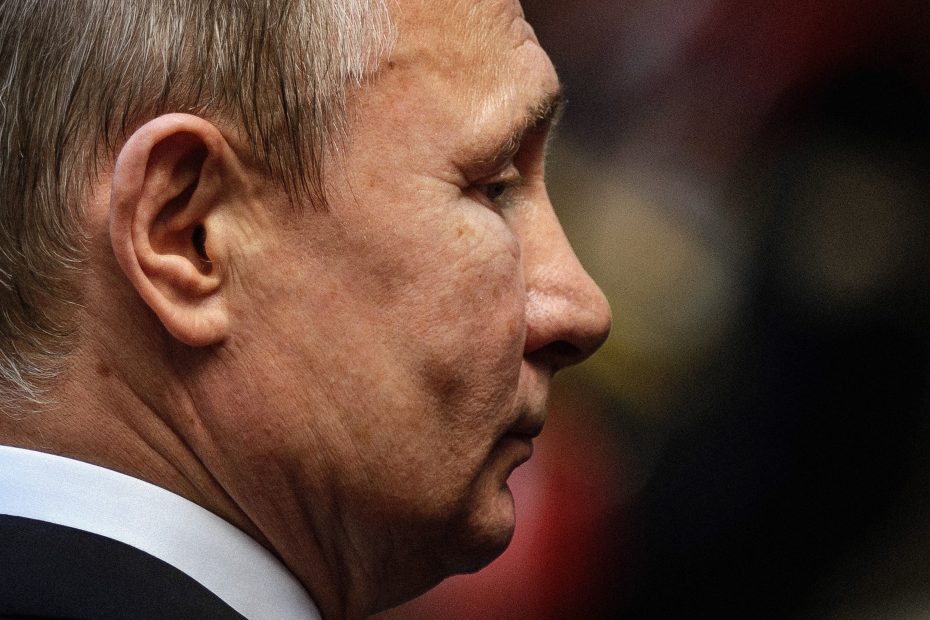
After Joseph Stalin died in 1953, an underground joke from my Moscow youth declared, the Politburo found three envelopes on the Soviet dictator’s desk. The first, inscribed “Open after my death,” contained a letter telling his successors to place his body next to Lenin’s in the Red Square Mausoleum.
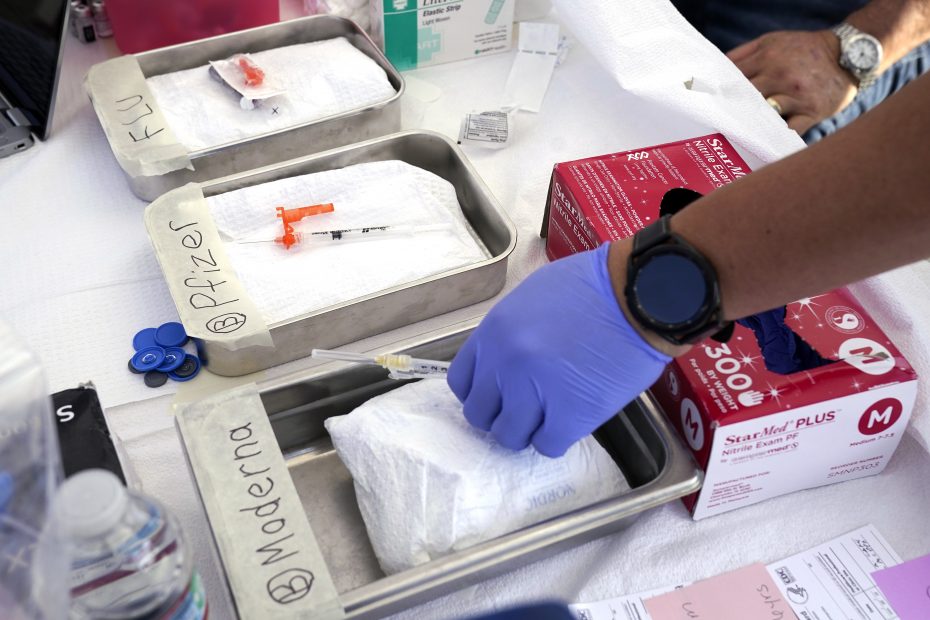
Most Americans with public and private health insurance can still get the shot for free, as long as they visit in-network providers.

CMS announcement comes as states review program eligibility for the first time in three years.
Donald Trump’s recent moderate turn on abortion has boxed in the deep-pocketed anti-abortion groups.

Health experts are sounding the alarm over the anti-vaccine movement’s rise.