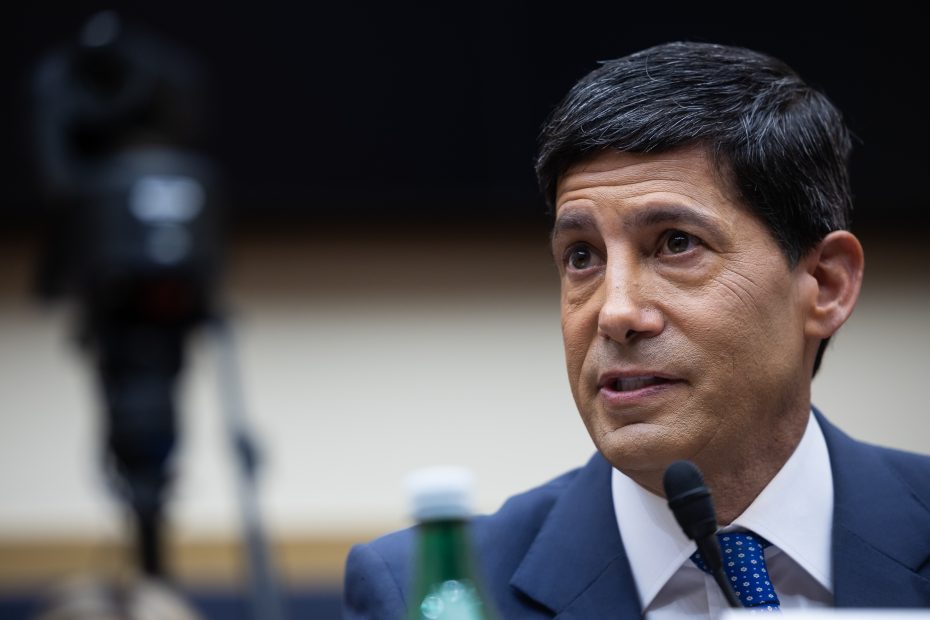
Will Kevin Warsh Squander a Huge Opportunity?
The new Fed chair will have the spotlight at the central bank’s high-profile conference in Jackson Hole. He should use it.

The new Fed chair will have the spotlight at the central bank’s high-profile conference in Jackson Hole. He should use it.
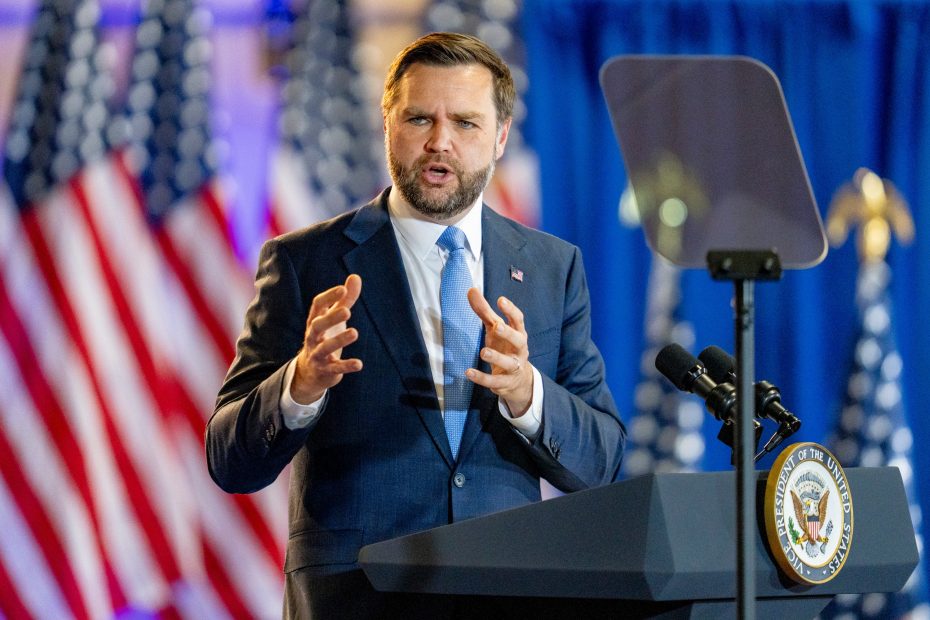
Vice President JD Vance’s visit marked his second to Maine’s 2nd Congressional District in four months.
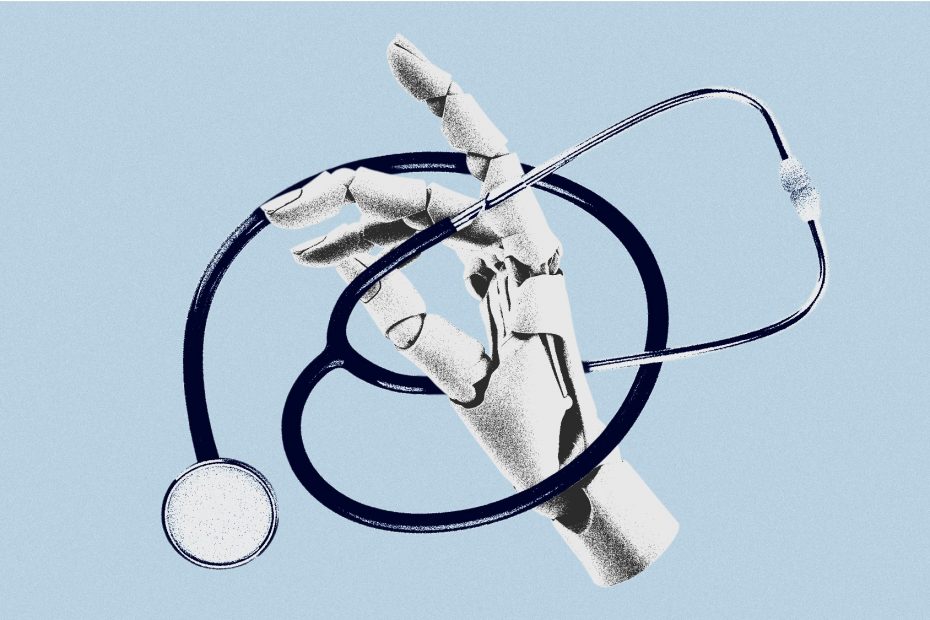
For as long as ChatGPT has existed, Americans have been asking it, “Could that funny little spot on my toe be cancer?” And as AI has advanced over the past few years, doctors have begun to use specialized models to ask much the same questions in clinics. In the face of these developments, professional medical societies have presented a unified front: Doctors must always have the final say in clinical care.
We disagree.

Breakfast-cereal boxes are a window into both the politics of food and American culture. As a particularly timely example, since Robert F. Kennedy Jr. took office last year as secretary of health and human services, he has called for the removal of artificial dyes from breakfast cereals. On Fox News in 2024, he lamented that the bright colors in Froot Loops are “literally poisoning our kids.” (How exactly these dyes interact with human health is complicated.

This past June, a Virginia mother named Karyann Parkinson took a bike ride with her 5-year-old son and stopped by a pond inside their gated community to collect goose feathers from the grass. The two of them rode back home, whereupon Parkinson’s son asked his mother if he could walk back to the pond by himself to fetch a few more feathers. Parkinson, who was eight months pregnant with her fifth child, studying for the bar exam, and—perhaps most pressing—making lunch, agreed.
This story was updated at 6:12 p.m. ET on September 8, 2026.
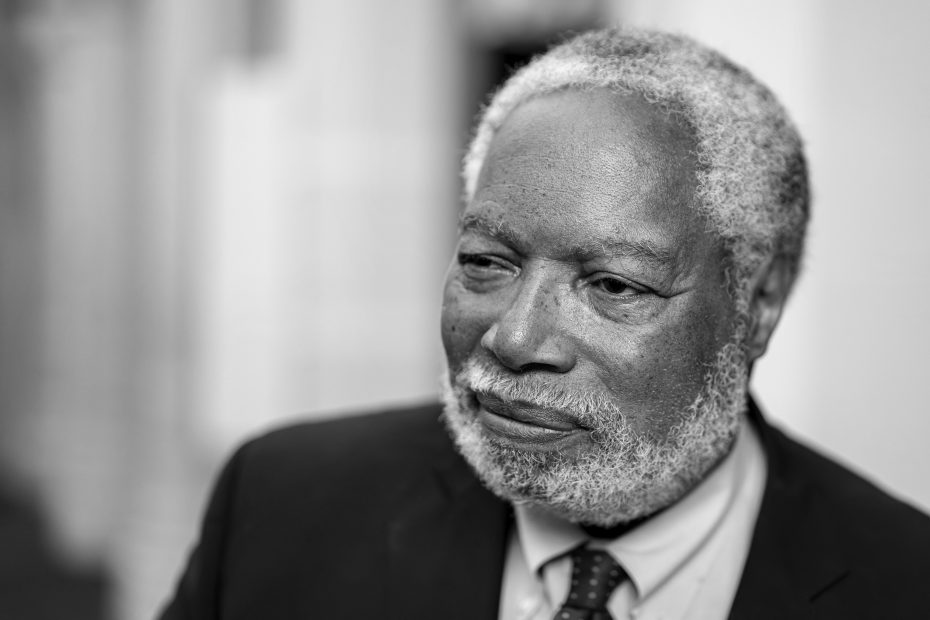
Smithsonian Secretary Lonnie Bunch plans to retire from the institution at the end of this year, bringing to a close a tenure marked by unprecedented pressure on the museum complex from a White House keen on controlling how to tell the nation’s history.

The human brain has a method for dealing with the intrinsic fear of death. Terror-management theory, which builds on the work of the cultural anthropologist Ernest Becker, explains that the psyche handles this fear in a variety of ways. Many people either escape reality or adopt a belief system that promises immortality: so on the one hand, sex, drugs, or entertainment; on the other, religion, fame, or careerism.
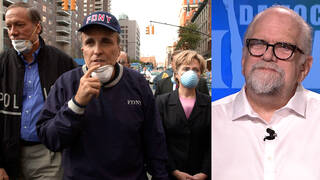
Bob Hennelly, general manager of WBAI Pacifica Radio in New York, broadcast live during the September 11 attacks in 2001 and has been covering developments ever since. He says officials rushed to reopen the city after the disaster, despite the health risks from toxic air and debris around ground zero. “There was no Zoom back then,” Hennelly says. “People were ordered back to their desks in Lower Manhattan, which turned out to be a death sentence.
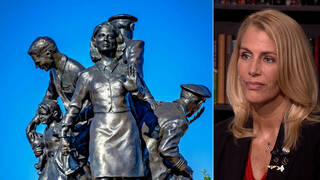
We speak with Sara Nelson, the international president of the Association of Flight Attendants, about how flight attendants were affected by the 9/11 attacks. Nelson was working in Chicago that day, but she lost five of her friends, who were fellow flight attendants, in the attacks. “My handbook is in the 9/11 Memorial Museum, that gave us the exact wrong training for that day. We were told to keep everyone calm, appease the hijackers.
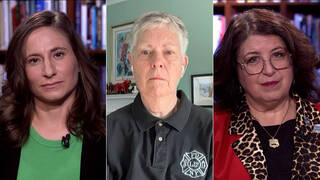
Twenty-five years after the 9/11 attacks, many New York City residents are still grappling with complicated health conditions related to exposure to the toxic air and debris around ground zero.
“We were digging through the pile and using rakes to spread out all the debris to look for anyone’s remains,” says retired New York City firefighter Brenda Berkman.
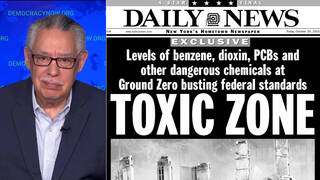
Twenty-five years after September 11, 2001, more people are believed to have died from cancer, respiratory and other illnesses due to exposure to the airborne toxins than the nearly 3,000 people killed in the attacks on the World Trade Center.
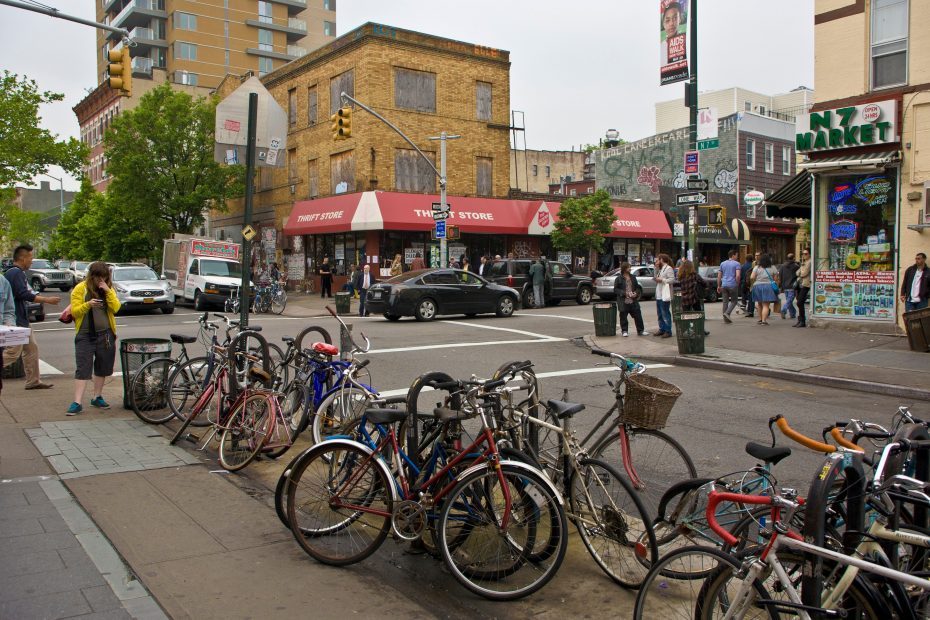
Williamsburg’s gentrifiers are being gentrified.
Silicon Valley’s acquisition frenzy hits a new peak with Nvidia’s massive deal with Hugging Face.
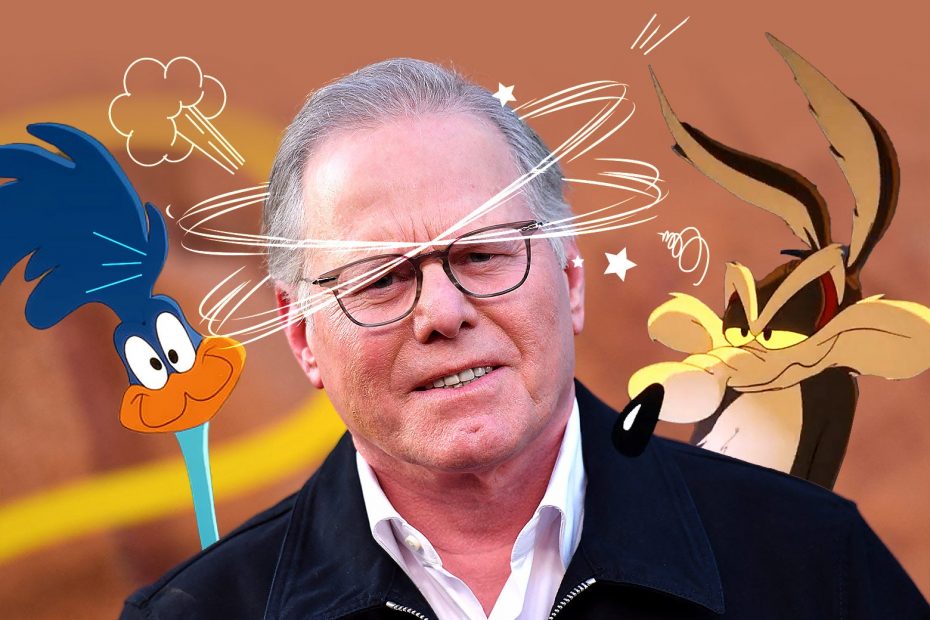
His plan to bury the film blew up in his face like a stick of dynamite.
A look at the growing industry of buying and selling dinosaur fossils.
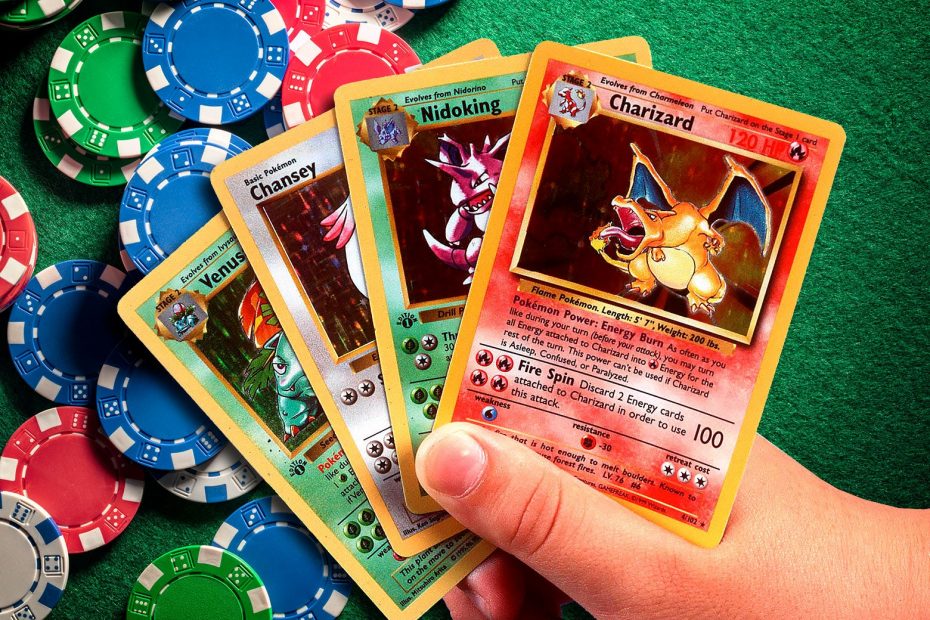
It’s inspired robberies, counterfeits, and multimillion-dollar sales.
A county coroner confirmed the death. Health Secretary Robert F. Kennedy Jr. had raised the possibility Josh Shapiro’s staff made it up.
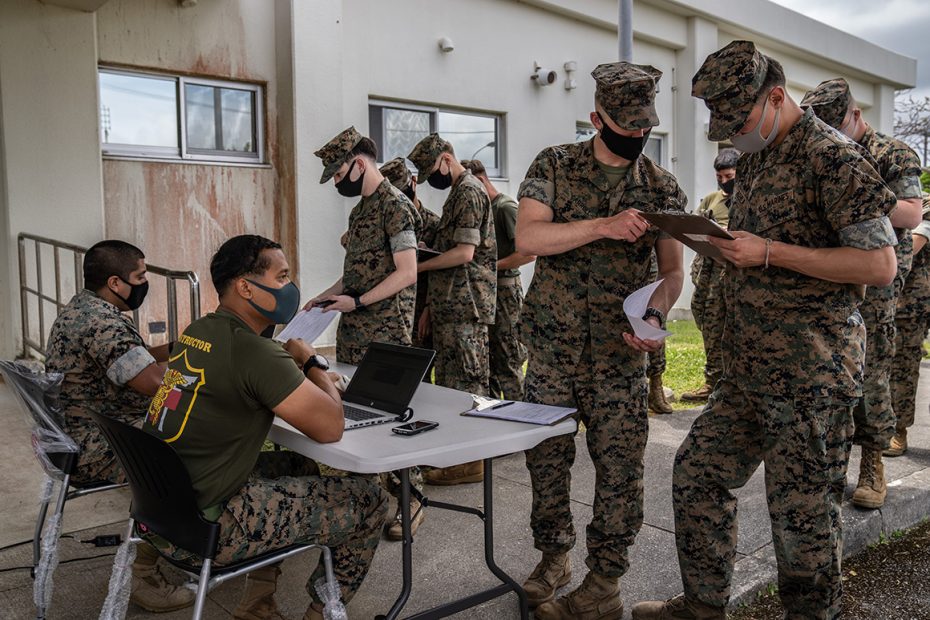
Theresa Long is one of a few advisers to the health secretary examining whether the government covered up vaccine side effects.
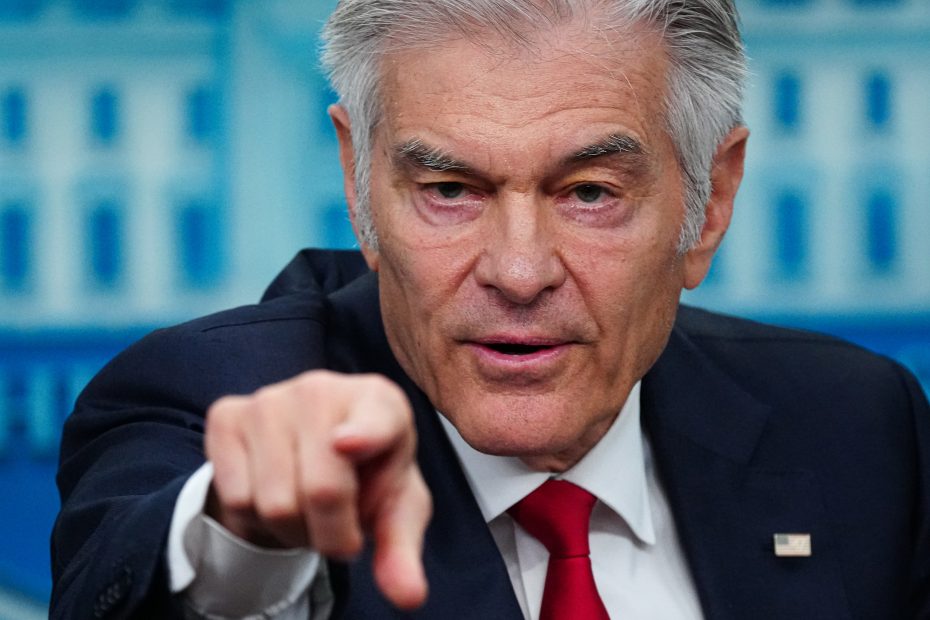
Hospitals have launched a lobbying blitz to stave off Trump administration rules they say will lose them hundreds of billions of dollars.
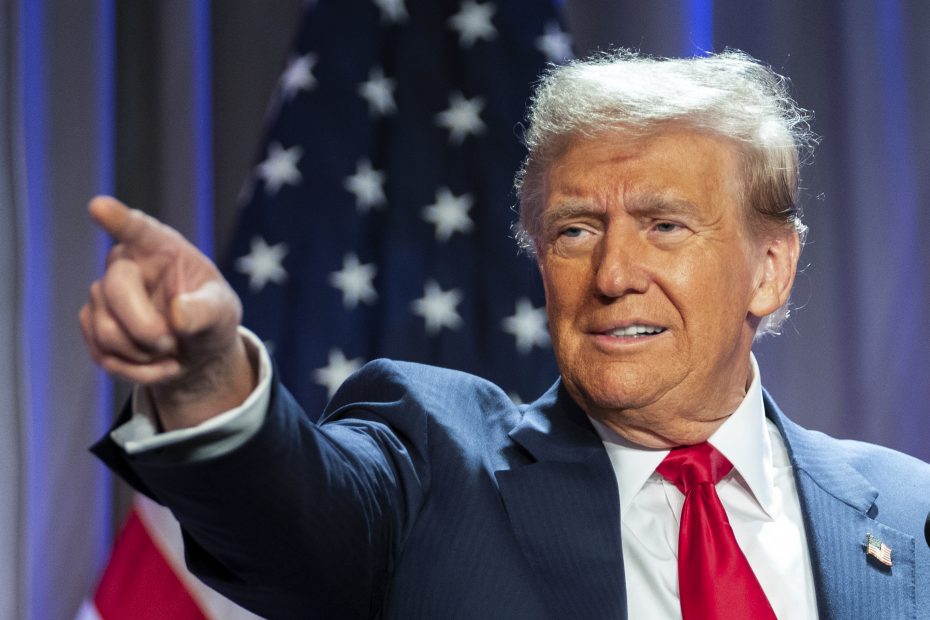
The Trump administration is touting deals with nine drugmakers ahead of the midterm elections.
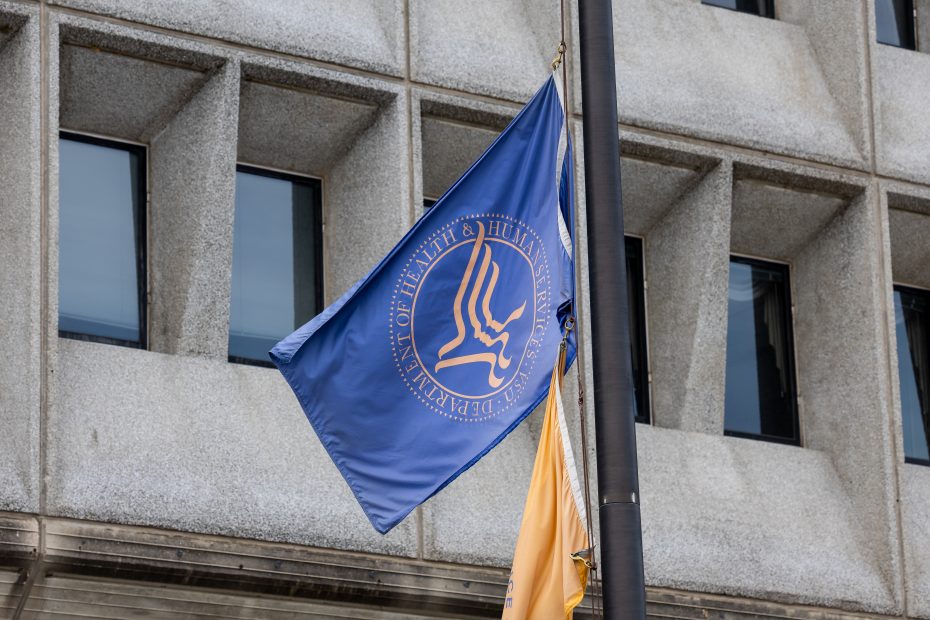
Political roles are way up. Career staffing is way down, despite a push to hire after last year’s downsizing.
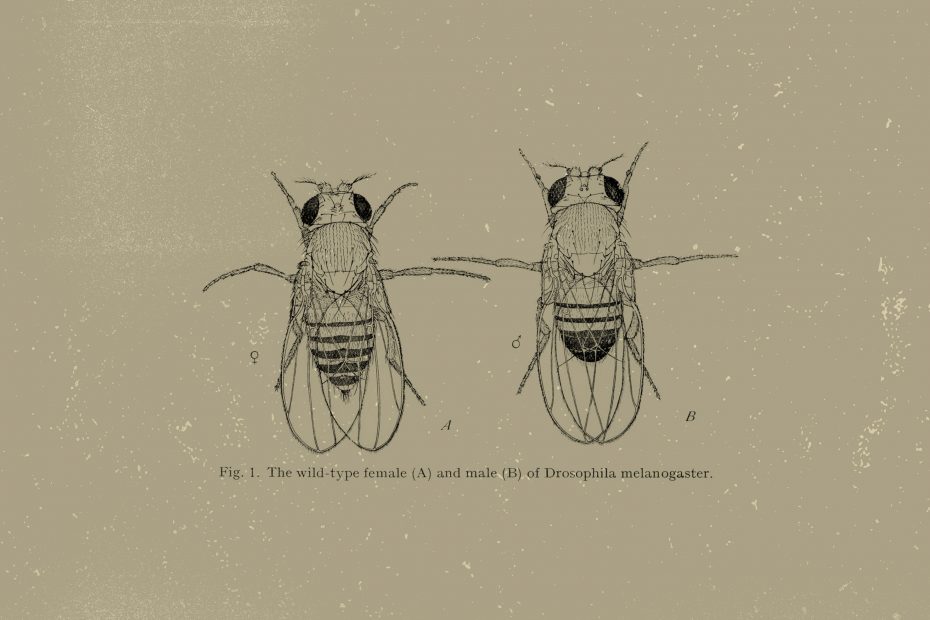
Fruit flies exposed
to many dead fruit flies
lose their fat stores,
die more quickly
than those kept naive.
I who have lived long now
and will die of my living,
not of my grief,
and more than once
from a public garden
stole roses—
red ones and pink ones,
scented and not—
stammer before these
troubled and truthful fruit flies.
This poem appears in the October 2026 print edition.

Outward’s hosts sit down with the host and co-creator of When We All Get to Heaven.

The neighborhood changes, the church moves, people forget and remember “the AIDS years,” but AIDS isn’t over.

The AIDS cocktail opens new possibilities. And MCC San Francisco tries to use the experience of AIDS to make bigger social change.

The church’s minister gets sick and everyone knows it.

The church’s “it couple” faces AIDS, caregiving, and loss as part of a pair, part of families, and part of a community.
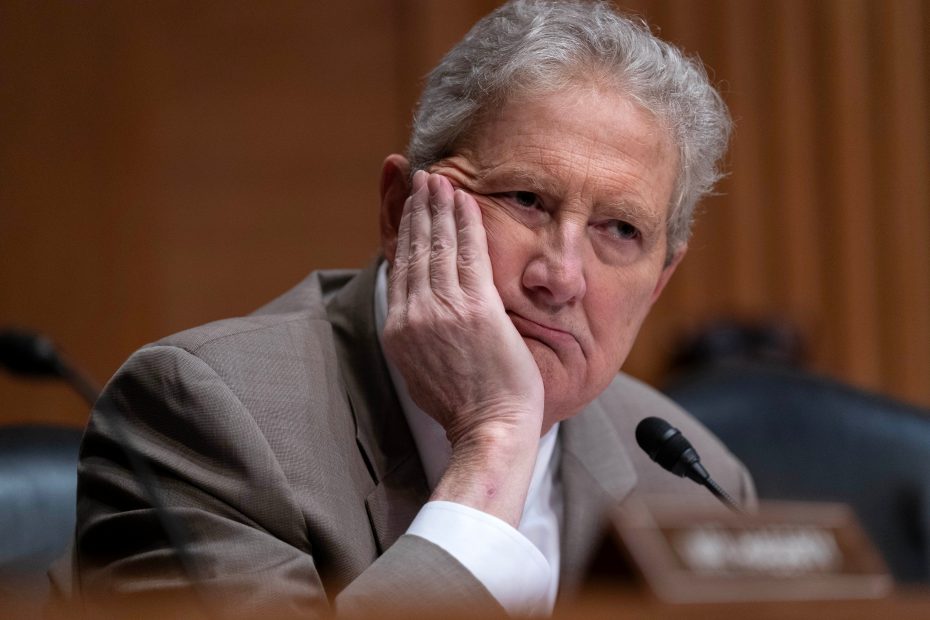
The Louisiana Republican’s comments come as both Democrats and Republicans have been forced to find ways to address the backlash against data centers.
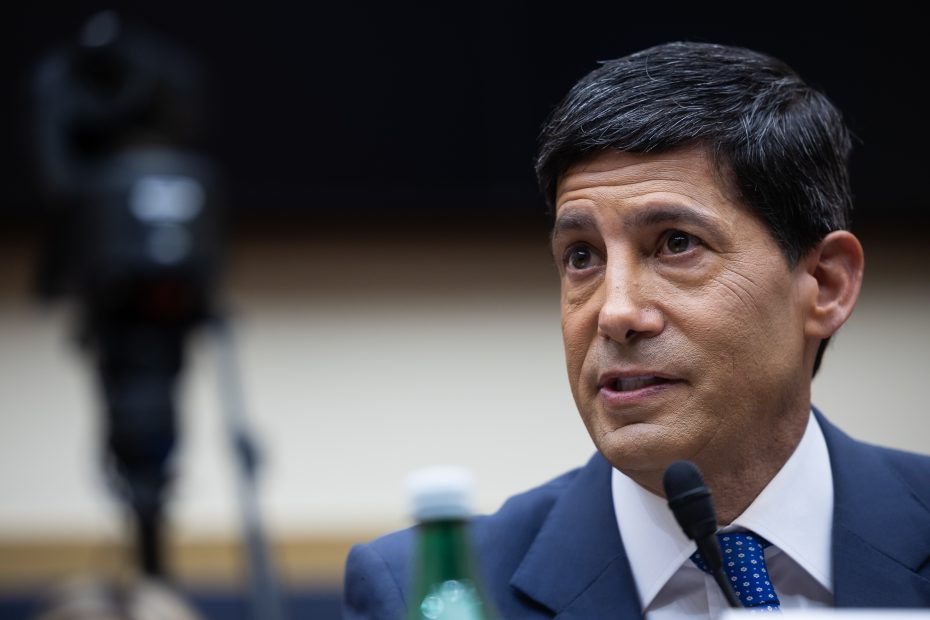
The new Fed chair will have the spotlight at the central bank’s high-profile conference in Jackson Hole. He should use it.
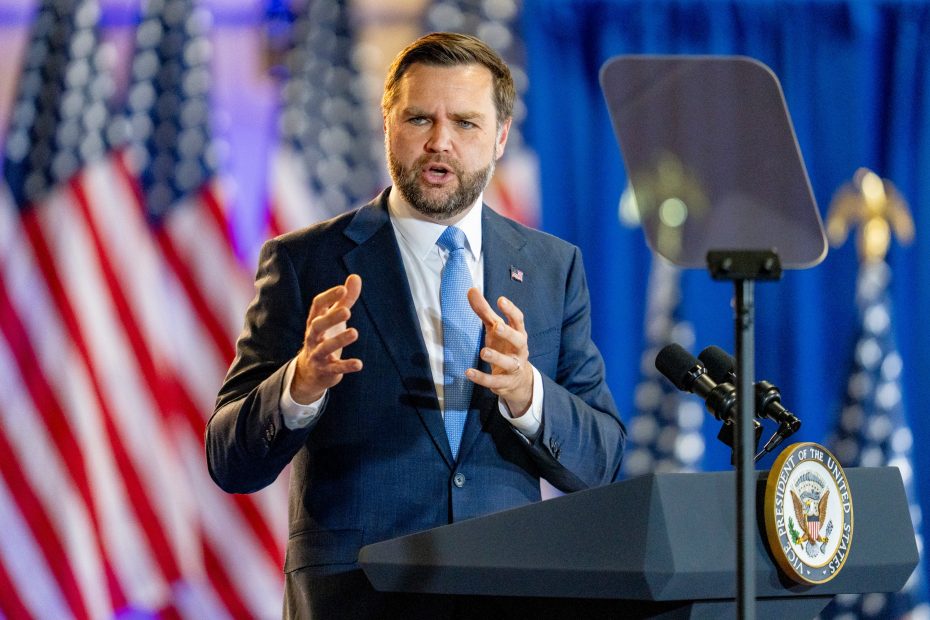
Vice President JD Vance’s visit marked his second to Maine’s 2nd Congressional District in four months.