Today's Liberal News

A Constitutional Crisis Greater Than Watergate

Updated at 10:17 a.m. ET on December 1, 2024
For more than four decades before Donald Trump assumed the presidency, the FBI director was a position above politics. A new president might choose a political ally as attorney general, but the FBI director was different. An FBI director appointed by Richard Nixon also served under Presidents Gerald Ford and Jimmy Carter. Carter’s choice remained on the job deep into Reagan’s second term, when Reagan moved him to head the CIA.

It’s Never Too Late to Learn an Instrument

The recorder used to be an instrument people wanted to hear. As a 1946 article in The Atlantic explained, it gets mentioned lovingly in Shakespeare’s Hamlet and Milton’s Paradise Lost. One 17th-century English-navy leader wrote in his diary that it made the best sound he’d ever heard. The recorder was the instrument of kings and queens: Henry VIII had a collection of more than 70.

“The Message”: Ta-Nehisi Coates on the Power of Writing & Visiting Senegal, South Carolina, Palestine

We spend the hour with the acclaimed writer Ta-Nehisi Coates, whose book The Message features three essays tackling the Israeli-Palestinian conflict, book bans and academic freedom, and the legacy of the transatlantic slave trade. The Message is written as a letter to Coates’s students at Howard University, where he is the Sterling Brown Endowed Chair in the English department.

Lakota Historian Nick Estes on Thanksgiving, Settler Colonialism & Continuing Indigenous Resistance

Lakota historian Nick Estes talks about the violent origins of Thanksgiving and his book Our History Is the Future. “This history … is a continuing history of genocide, of settler colonialism and, basically, the founding myths of this country,” says Estes, who is a co-founder of the Indigenous resistance group The Red Nation and a citizen of the Lower Brule Sioux Tribe.

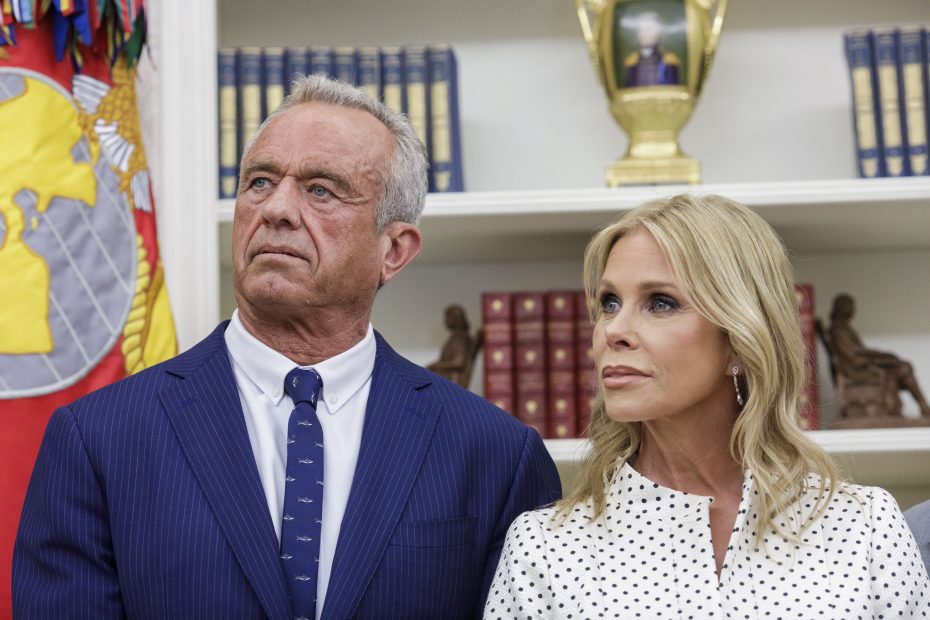
The Kash Patel Principle

Trump has been releasing names of his nominees for the Cabinet and other senior posts in waves. He began with some relatively conventional choices, and then unloaded one bombshell after another, perhaps in an attempt to paralyze opposition in the Senate with a flood of bad nominees or to overwhelm the public’s already limited political attention span.

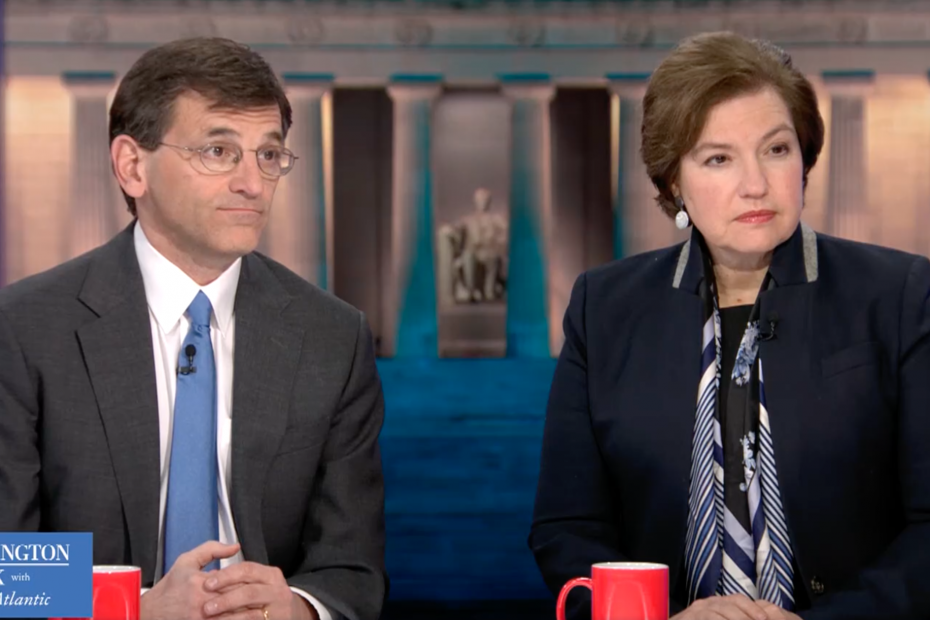
The Future of the Executive Branch

Editor’s Note: Washington Week With The Atlantic is a partnership between NewsHour Productions, WETA, and The Atlantic airing every Friday on PBS stations nationwide. Check your local listings or watch full episodes here.
Although how the country is going to change after Donald Trump takes office remains uncertain, it’s clear that he will be one of the most powerful—and emboldened—U.S. presidents.

How Humans Handle Housework

This is an edition of The Wonder Reader, a newsletter in which our editors recommend a set of stories to spark your curiosity and fill you with delight. Sign up here to get it every Saturday morning.
In 2019, Sophie Knight reflected on the unusual way she and her husband tried to deal with the imbalance of time spent on home chores: He paid her for housework.

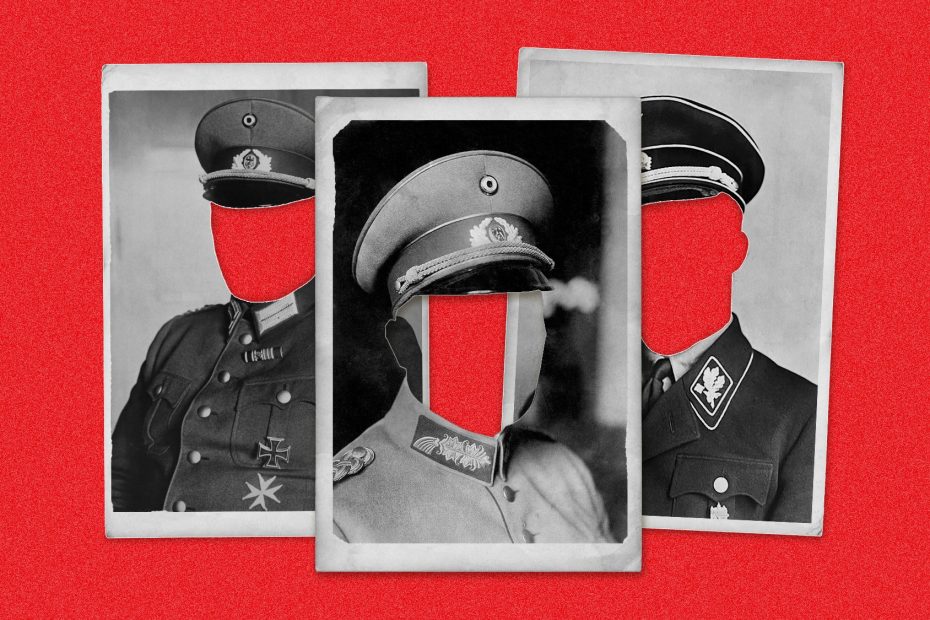
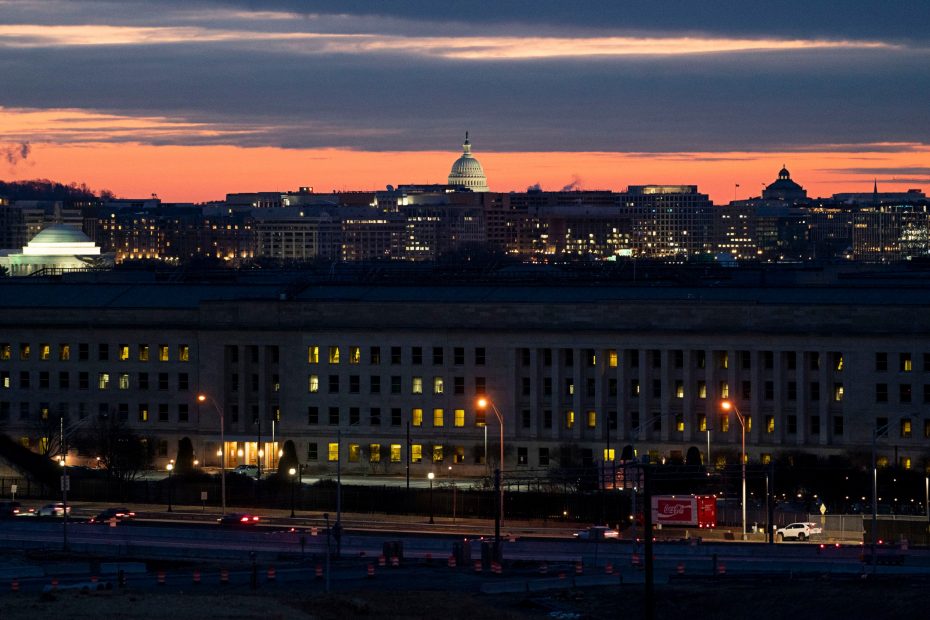
What Trump Doesn’t Understand About the Military

In 1783, George Washington faced a potential mutiny of the Army. Two years after Cornwallis surrendered at Yorktown, Congress still hadn’t paid American servicemen and was repudiating promised pensions. Alexander Hamilton, then in Congress, encouraged soldiers to rebel, because he thought the pressure would lead Congress to approve the taxing authority he sought. Washington reproached Hamilton in a letter: An army is “a dangerous instrument to play with,” he wrote.