Biotech investment is the new front in the U.S.-China trade fight
The Treasury Department’s proposed restrictions on U.S. investment in Chinese biopharma collide with Beijing’s new export curbs on cutting edge biotech innovations.

The Treasury Department’s proposed restrictions on U.S. investment in Chinese biopharma collide with Beijing’s new export curbs on cutting edge biotech innovations.
Democrats’ confidence in their health care message is showing up on the airwaves and the debate stage.
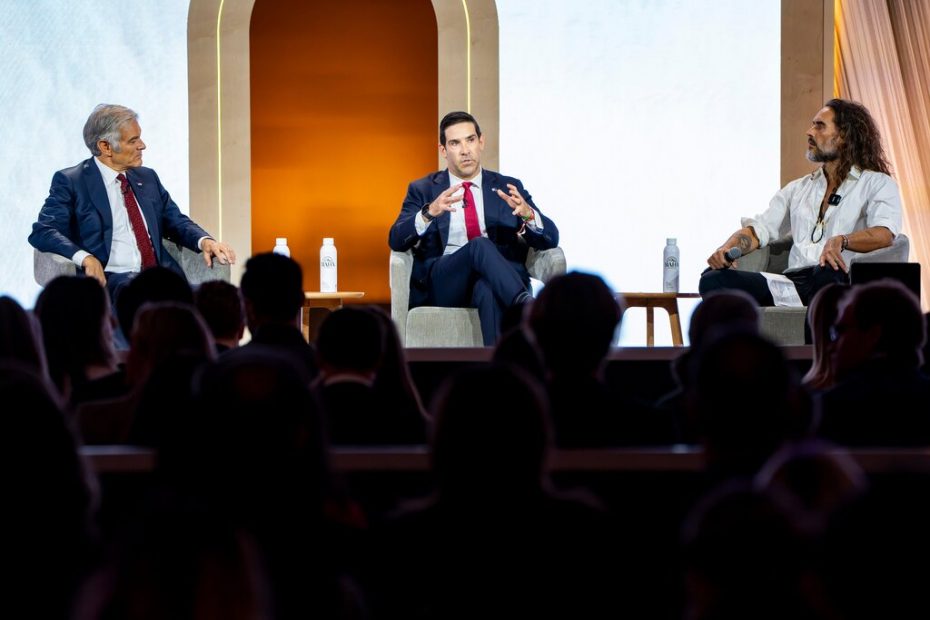
Tony Lyons, who leads the Make America Healthy Again movement the health secretary started, was in the London courthouse for jury selection.
It’s the first big outlay from Make America Healthy Again groups since they helped take down GOP Sen. Bill Cassidy in May.
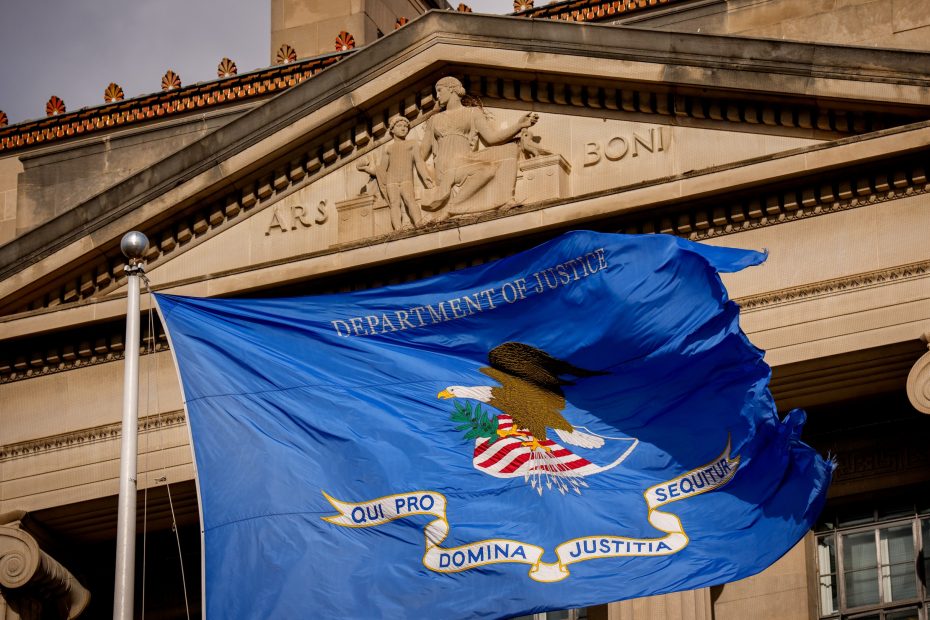
Not too long ago, the Department of Justice could generally be trusted to prosecute cases in which lawyers believed that real wrongdoing had occurred. Now DOJ frequently unveils lawsuits that seem designed mostly for securing likes and reposts on right-wing social media—the actual facts be damned. Any high-profile criminal case brought by the Trump administration arrives with an air of suspicion.
Today, Jeanine Pirro, the top federal prosecutor for Washington, D.C.

Outward’s hosts sit down with the host and co-creator of When We All Get to Heaven.

The neighborhood changes, the church moves, people forget and remember “the AIDS years,” but AIDS isn’t over.

The AIDS cocktail opens new possibilities. And MCC San Francisco tries to use the experience of AIDS to make bigger social change.

The church’s minister gets sick and everyone knows it.

The church’s “it couple” faces AIDS, caregiving, and loss as part of a pair, part of families, and part of a community.
In a Canberra Playbook Podcast interview Jim Chalmers accused Liberals of wanting Australians to suffer, as their path back to power.
Jim Chalmers warns global pressures mean more domestic pain.
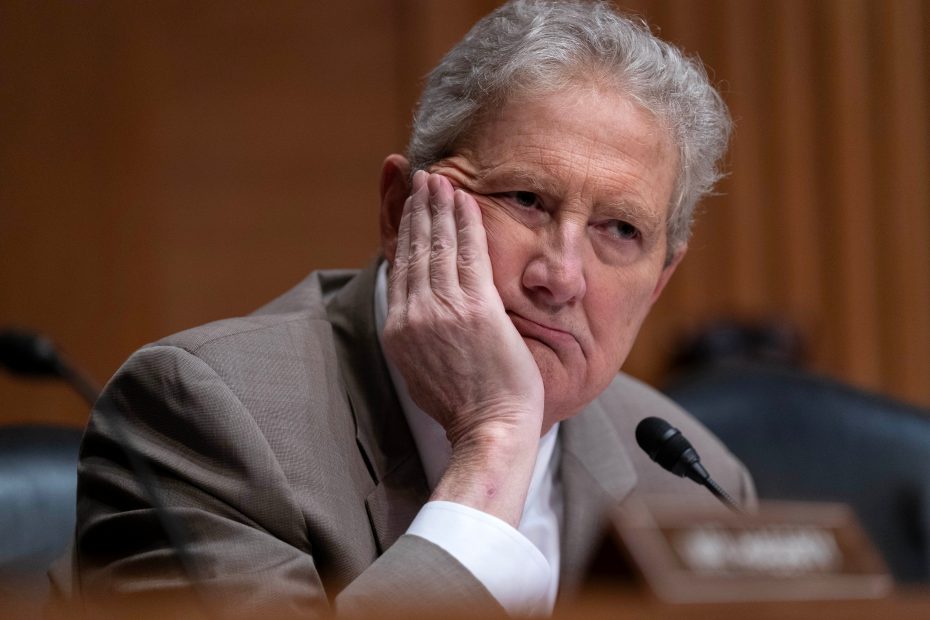
The Louisiana Republican’s comments come as both Democrats and Republicans have been forced to find ways to address the backlash against data centers.
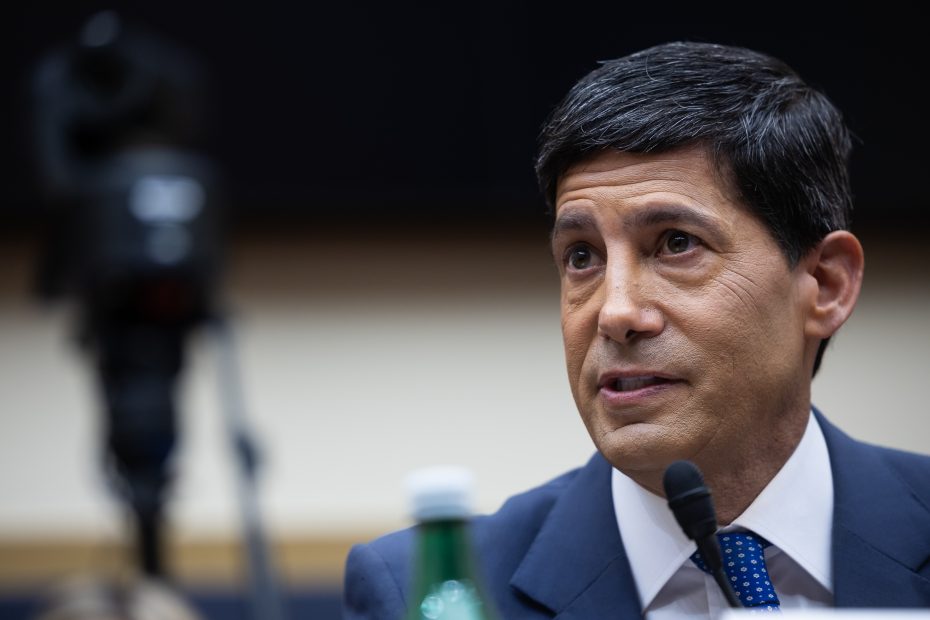
The new Fed chair will have the spotlight at the central bank’s high-profile conference in Jackson Hole. He should use it.

At least 59 people have died in ICE custody since the start of President Donald Trump’s second term, the highest number in more than a decade. Many deaths have been linked to medical neglect, including four of five recent deaths at California’s Adelanto Processing Center, according to a 2026 report by the state attorney general.

Brazilian voters are heading to the polls on Sunday for the presidential runoff between incumbent President Luiz Inácio Lula da Silva and far-right Senator Flávio Bolsonaro, with polls showing a tight race that will decide whether Brazil remains led by the left or joins the right-wing surge across Latin America.
We speak to reporter Laís Martins of The Intercept Brasil.

President Donald Trump and Vice President JD Vance have both defended Ohio gubernatorial candidate Vivek Ramaswamy after his campaign released a TV ad that appears to accuse Democratic nominee Amy Acton of lying about being sexually abused as a child. Acton’s stepfather was indicted in 1978 on charges of sexually assaulting her when she was between 10 and 12 years old, though he fled before he could be convicted.

A court in India on Wednesday ordered the release of two leaders of the Cockroach Janta Party, the youth-led movement that has led historic waves of protests in India since the summer. Ashutosh Ranka and Saurav Das were detained amid massive protests last week after they scaled a barricade to enter a site popular for protest, unfurled the national flag and called for the resignation of Chief Election Commissioner Gyanesh Kumar.

Recently, an Instagram carousel by a long-lost acquaintance who was beach- and boat-hopping with a glittery squad of people I didn’t recognize crossed my feed. I figured they were moneyed Millennials with regular jobs—until I discovered that several of them had followings in the high five figures, and one had more than 3 million. As it turns out, they were neither civilians nor stars.

This is an edition of The Wonder Reader, a newsletter in which our editors recommend a set of stories to spark your curiosity and fill you with delight. Sign up here to get it every Saturday morning.
Conversation, Charlie Tyson wrote in 2023, is by nature fleeting. He quotes Virginia Woolf: “It flies up the chimney,” she once said, “and is gone.” This perspective may be comforting for people who spend hours after a social interaction perseverating over that one joke that didn’t quite land.
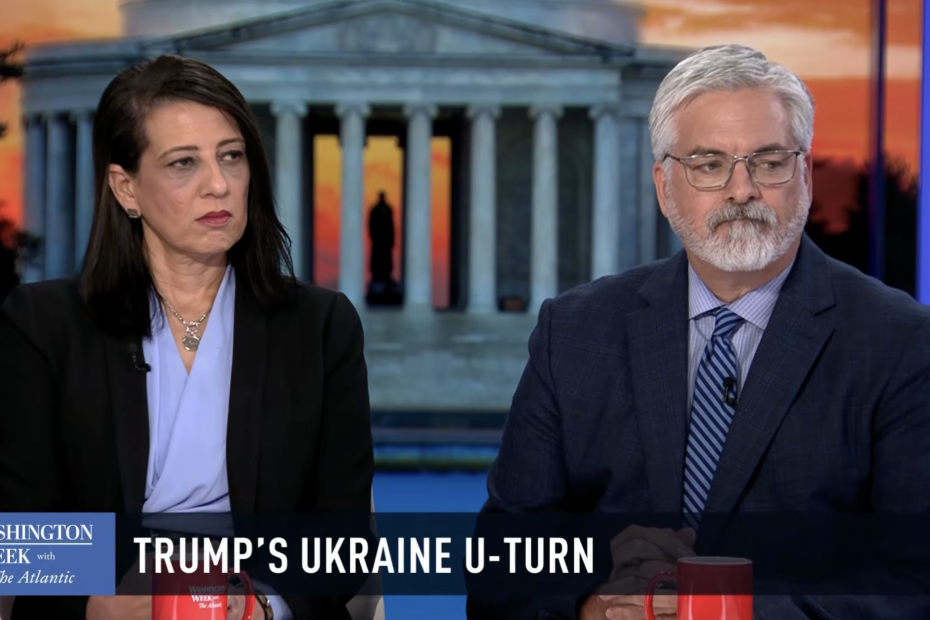
Editor’s Note: Washington Week With The Atlantic is a partnership between NewsHour Productions, WETA, and The Atlantic airing every Friday on PBS stations nationwide. Check your local listings, watch full episodes here, or listen to the weekly podcast here.
President Trump’s dismissal of Russian aggression against Ukraine has prompted bipartisan backlash. On Washington Week With The Atlantic, panelists joined to discuss what this may mean for the Ukrainians, and more.

The War on Terror coincided with the rise of the internet, when freshly concerning digital attacks became known as cyberterrorism. Now a new threat has appeared: AI terrorism.
Over the past few years, reports from governments, intergovernmental organizations, and think tanks have warned that AI is likely to fuel terrorist activity, demanding preparation and response.

Meta makes a deal to keep Zuckerberg happy as Musk eyes a power-consolidating merger.

The war for the radio waves has been won by the army that absolutely leans right.

Despite skyrocketing inflation and a complex supply chain, cheap bananas remain an American staple.

A Trump-connected media empire is turning Hollywood upside down.

David Skeel details his time helping restore financial stability to the island and why governments of all sizes should take heed.

The nepo-billionaire has reached a deal to merge Paramount Skydance with Warner Bros. Discovery.
The Treasury Department’s proposed restrictions on U.S. investment in Chinese biopharma collide with Beijing’s new export curbs on cutting edge biotech innovations.
Democrats’ confidence in their health care message is showing up on the airwaves and the debate stage.