Musk and Zuck: Can They Have It All?
Meta makes a deal to keep Zuckerberg happy as Musk eyes a power-consolidating merger.
Meta makes a deal to keep Zuckerberg happy as Musk eyes a power-consolidating merger.

The war for the radio waves has been won by the army that absolutely leans right.
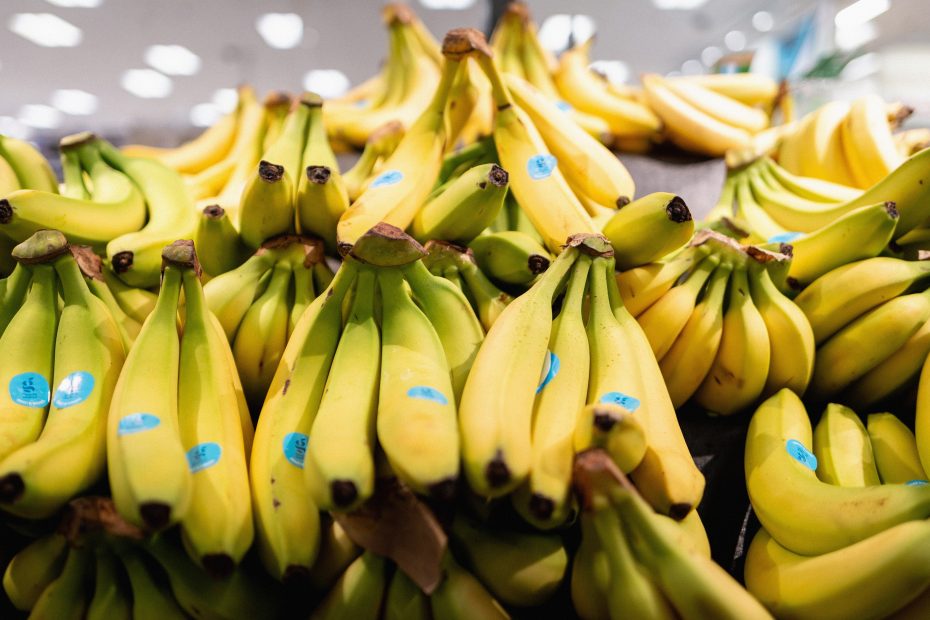
Despite skyrocketing inflation and a complex supply chain, cheap bananas remain an American staple.
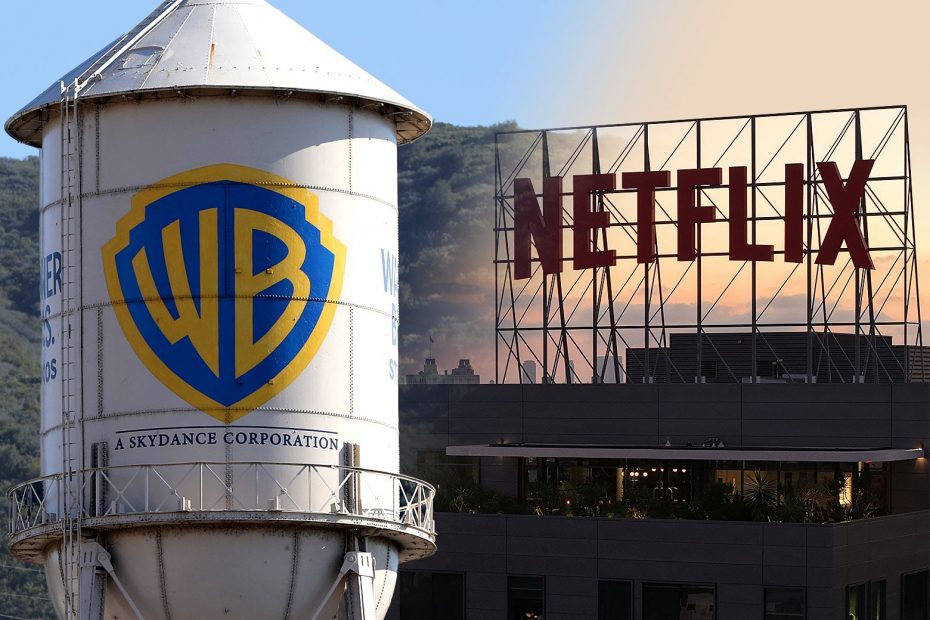
A Trump-connected media empire is turning Hollywood upside down.
David Skeel details his time helping restore financial stability to the island and why governments of all sizes should take heed.
No regulator has found the drugs safe or effective, but a VA official says as many as 2.1 million ex-service members could find them helpful.
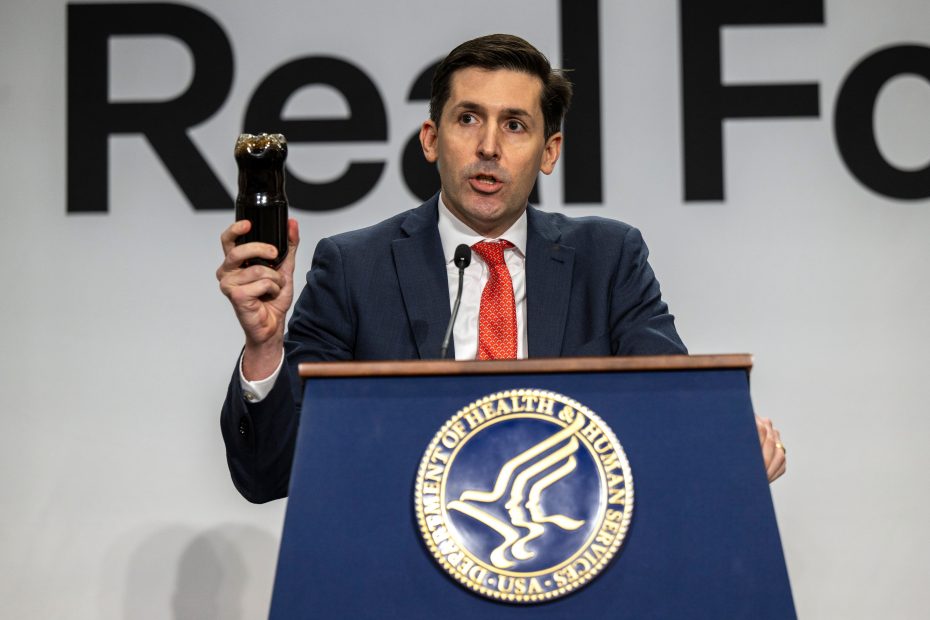
Calley Means’ departure is the latest sign that Kennedy’s supporters are unhappy with how the White House is treating them.
The Treasury Department’s proposed restrictions on U.S. investment in Chinese biopharma collide with Beijing’s new export curbs on cutting edge biotech innovations.
Democrats’ confidence in their health care message is showing up on the airwaves and the debate stage.
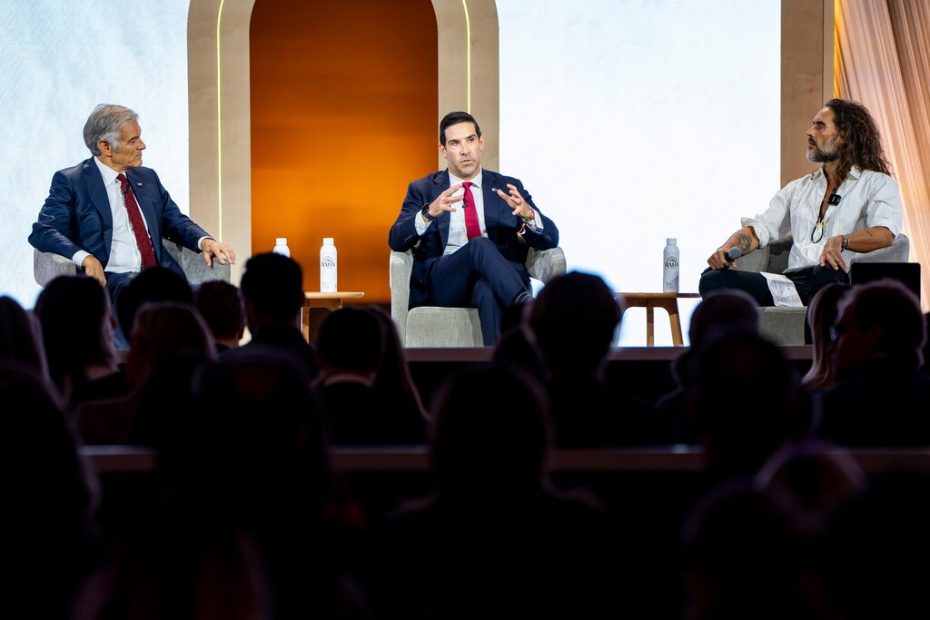
Tony Lyons, who leads the Make America Healthy Again movement the health secretary started, was in the London courthouse for jury selection.

Outward’s hosts sit down with the host and co-creator of When We All Get to Heaven.

The neighborhood changes, the church moves, people forget and remember “the AIDS years,” but AIDS isn’t over.

The AIDS cocktail opens new possibilities. And MCC San Francisco tries to use the experience of AIDS to make bigger social change.

The church’s minister gets sick and everyone knows it.

The church’s “it couple” faces AIDS, caregiving, and loss as part of a pair, part of families, and part of a community.
In a Canberra Playbook Podcast interview Jim Chalmers accused Liberals of wanting Australians to suffer, as their path back to power.
Jim Chalmers warns global pressures mean more domestic pain.
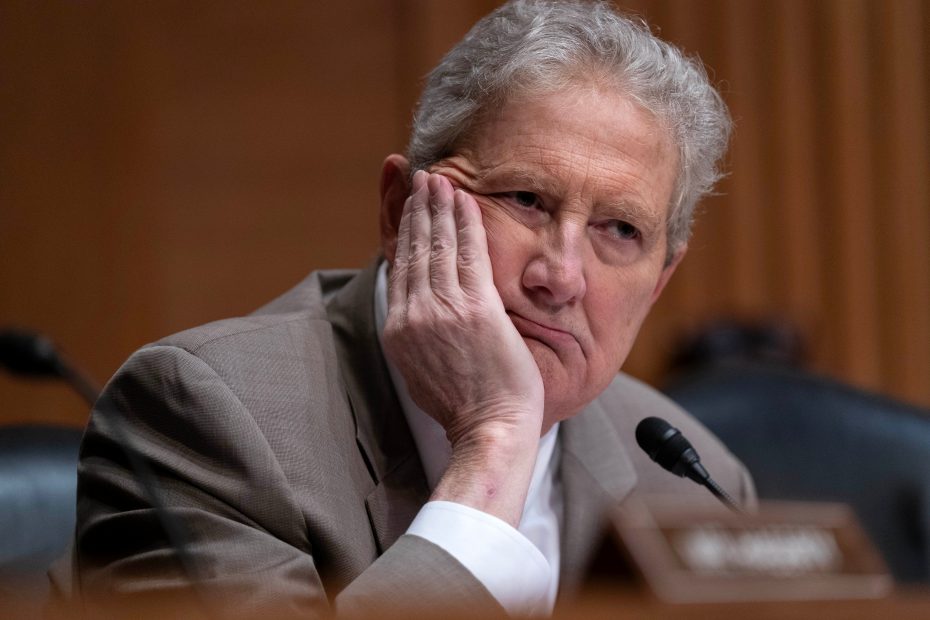
The Louisiana Republican’s comments come as both Democrats and Republicans have been forced to find ways to address the backlash against data centers.
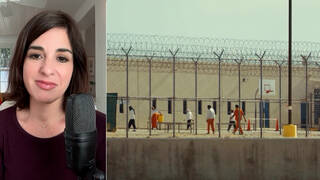
At least 59 people have died in ICE custody since the start of President Donald Trump’s second term, the highest number in more than a decade. Many deaths have been linked to medical neglect, including four of five recent deaths at California’s Adelanto Processing Center, according to a 2026 report by the state attorney general.
Subscribe here: Apple Podcasts | Spotify | YouTube | Overcast | Pocket Casts
In the weeks heading into next week’s midterm election, President Trump has been crisscrossing the country trying to gin up enthusiasm among his base at rallies—where he’s gone on Islamophobic rants and inexplicably praised a candidate’s backside.
This is an edition of The Atlantic Daily, a newsletter that guides you through the biggest stories of the day, helps you discover new ideas, and recommends the best in culture. Sign up for it here.
They say that patriotism is the last refuge of a scoundrel, but President Trump and his allies have found a new low: open bigotry against Muslims.
Maybe you’ve seen the ad: A man and a woman are loading a shopping cart. The woman tells the man he must return a carton of eggs. “We have to set that $7 aside for killing Palestinians.”
The woman explains that grocery prices are rising because the United States gives so much aid to Israel. “It’s costing us a lot of money to drop bombs on Gaza,” the woman explains. “Don’t they get universal health care too?” the man asks.

On Wednesday, July 18, 2001, a freight train derailed in Baltimore’s Howard Street Tunnel. Flammable liquid ignited, causing a fire that raised the temperature in the tunnel to 1,000 to 1,500 degrees. “We’re told some of the boxcars are actually glowing,” a fire-department spokesperson told the Associated Press. More than 100 firefighters were called to fight the blaze.
The National Transportation Safety Board investigated the fire but never figured out what went wrong.
Updated at 2:27 p.m. ET on October 26, 2026
Nothing makes me more nauseated than a row of multiple-choice questions and empty bubbles. After I turned 18, I thought I’d never encounter that feeling again, outside of stress dreams about forgetting my No. 2 pencils.

Israeli parliamentary elections are being held on Tuesday, the first since Hamas’s October 7, 2023, attack and Israel’s subsequent assault on Gaza. Israeli Prime Minister Benjamin Netanyahu, who is currently embroiled in a corruption scandal in Israel, is up for reelection. On Friday, after two Israeli soldiers were killed at a checkpoint near Hebron, just days before Israeli polls are set to open, Netanyahu announced heavy restrictions on the movement of Palestinians out of the West Bank.

Serbia’s longtime leader Aleksander Vučić has been swept out of power by a historic student-led opposition movement against Vučić’s right-wing Serbian Progressive Party. Candidates from the Student List, who are not students themselves but largely first-time politicians selected by student-led popular assemblies, won a majority of seats in Sunday’s parliamentary elections, marking a seismic shift in Serbian politics.

Brazilian President Luiz Inácio Lula da Silva has won a record fourth term in office, defeating far-right challenger Flávio Bolsonaro by 4 million votes in a runoff election on Sunday. Flávio Bolsonaro is the son of former President Jair Bolsonaro, who remains under house arrest for plotting a coup against Lula four years ago. The younger Bolsonaro, who narrowly defeated Lula in the first round of voting earlier this month, is now refusing to concede.
Meta makes a deal to keep Zuckerberg happy as Musk eyes a power-consolidating merger.

The war for the radio waves has been won by the army that absolutely leans right.
Despite skyrocketing inflation and a complex supply chain, cheap bananas remain an American staple.