
‘Trump’s Not Eating’: Kevin McCarthy’s Bonkers Explanation For His 2021 Mar-A-Lago Visit
Liz Cheney’s new book contains a stunning detail about McCarthy’s widely panned trip to Florida.

Liz Cheney’s new book contains a stunning detail about McCarthy’s widely panned trip to Florida.

The New York representative has accumulated a list of lies and allegations, ranging from silly acts to more serious reports that could get him expelled from Congress.
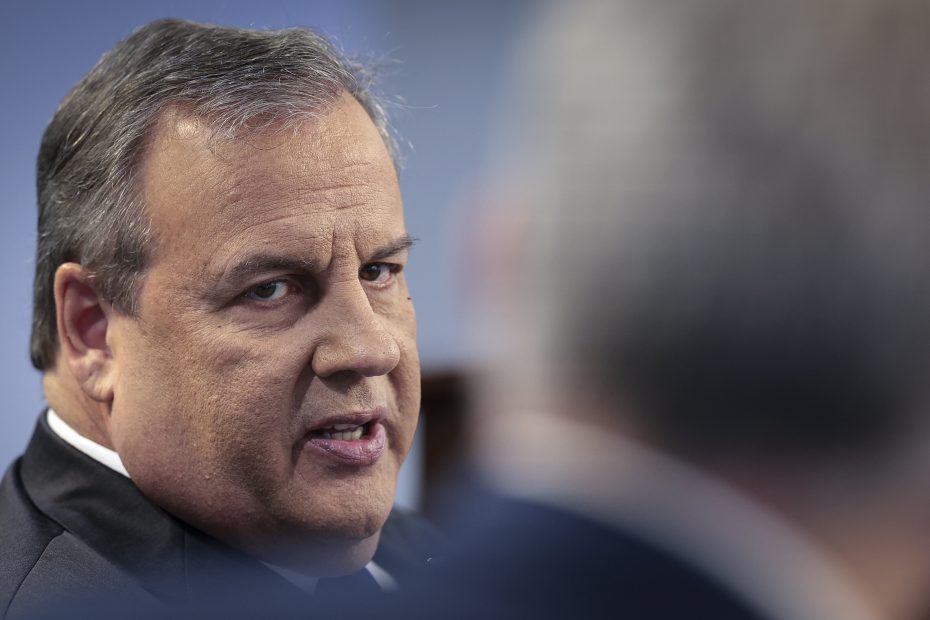
“My view is this: I want the people, not the politicians, to make this decision,” the 2024 Republican presidential candidate said.
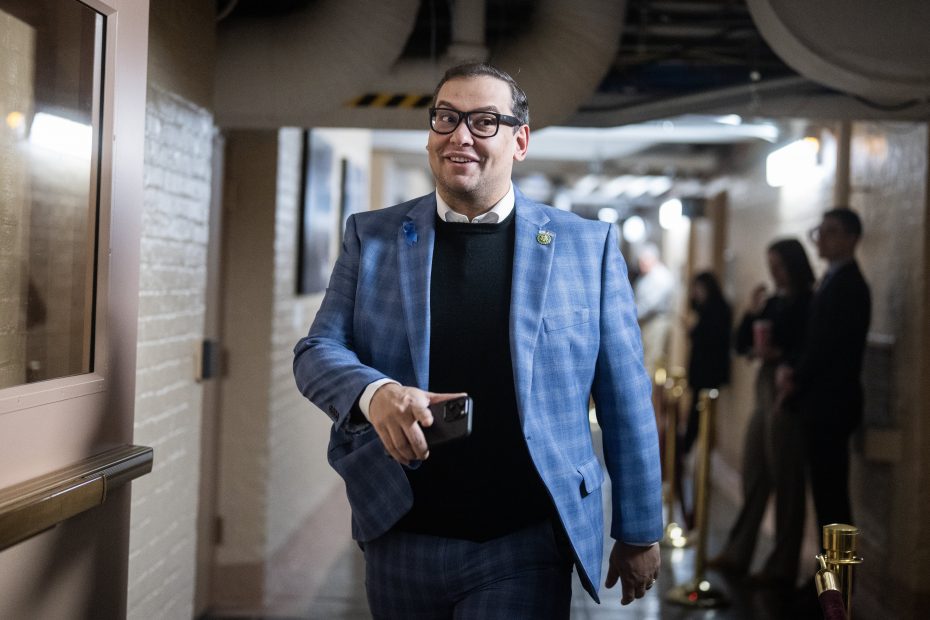
The GOP lawmaker has remained defiant in the face of a third round of voting on his expulsion.
This is an edition of The Atlantic Daily, a newsletter that guides you through the biggest stories of the day, helps you discover new ideas, and recommends the best in culture. Sign up for it here.I spoke with my colleague Sarah Zhang about a breakthrough in CRISPR therapy, and when it is ethical to use the gene-editing technology.

Last week, it seemed that OpenAI—the secretive firm behind ChatGPT—had been broken open. The company’s board had suddenly fired CEO Sam Altman, hundreds of employees revolted in protest, Altman was reinstated, and the media dissected the story from every possible angle.

In a way, the story of American natural gas is a particularly American story, one of entrepreneurial hustle, booms and busts, and a will to find opportunity where nobody’s looked. Of resourceful self-preservation for the sake of self-preservation alone. Of supply needing demand, and of manufacturing that demand through the means at hand, even if the logic is sometimes tough to follow.
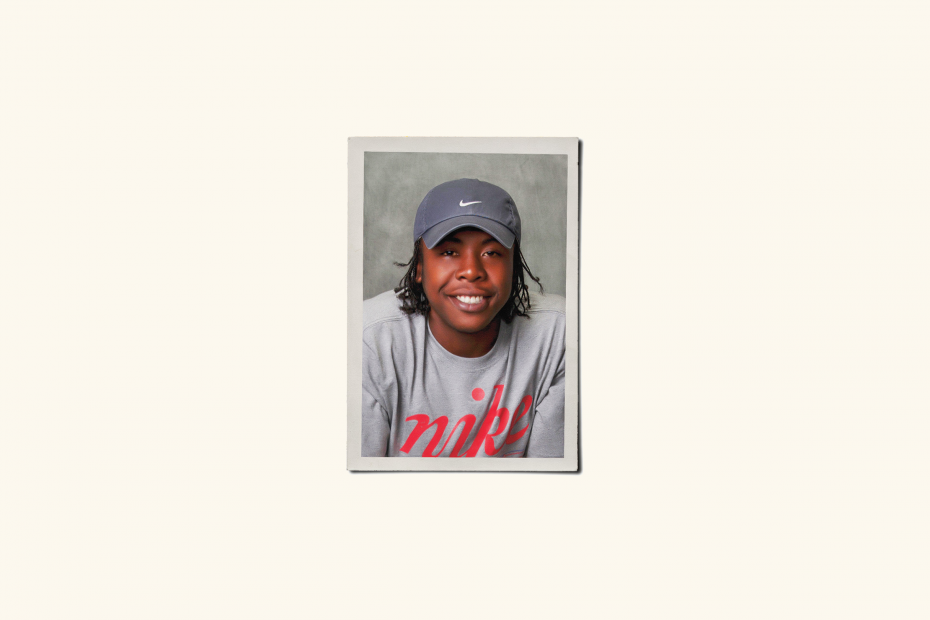
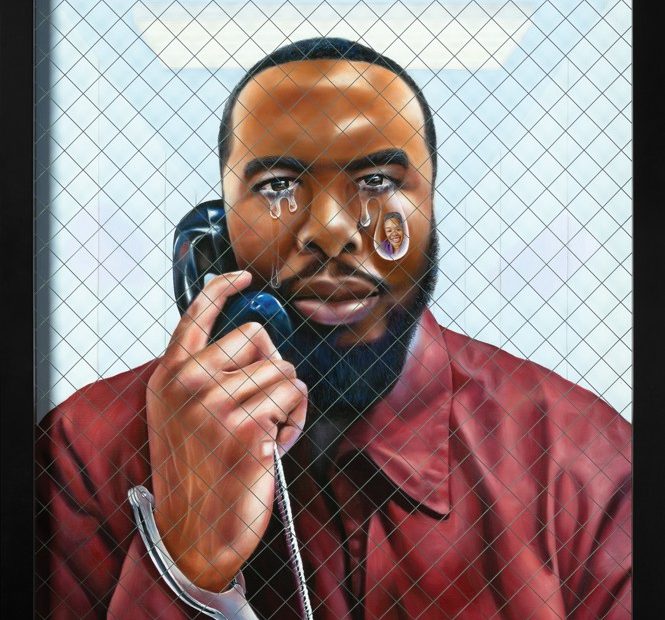
Updated at 3:06 p.m. ET on November 28, 2023Last Thursday, C. J. Rice celebrated his 30th birthday at State Correctional Institution–Chester, a Pennsylvania prison just southwest of Philadelphia. Rice has been incarcerated since he was 17, when he was charged with a crime he insists he didn’t commit. But because of a decision yesterday in federal court, he may be free by the time he turns 31. Such an outcome is exceedingly rare in cases like Rice’s.
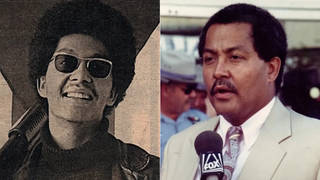
We remember the legendary activist and journalist Pablo Yoruba Guzmán, who died from a heart attack Sunday at age 73. Guzmán was the former minister of information of the Young Lords Party, the revolutionary social justice group led by Puerto Ricans in the 1960s and ’70s. He later became a beloved print and television reporter, known for his street reporting.

The Intercept’s Jeremy Scahill deconstructs Israel’s narrative around Gaza’s Al-Shifa Hospital, including unsubstantiated allegations Hamas uses tunnels under the hospital as its command center — tunnels that Israel itself built. “We were told that this was like a Hamas Pentagon,” says Scahill, who describes how the Israeli military’s own evidence disproves its allegations that the hospital was dangerous enough to justify its siege and bombardment.

We get an update on the three university students of Palestinian descent who were shot Saturday in Burlington, Vermont. Two were wearing keffiyehs and speaking Arabic at the time of the attack. Hisham Awartani, Kinnan Abdalhamid and Tahseen Ahmad are now recovering, though Hisham Awartani, who was shot in the spine, has reportedly lost feeling in the lower part of his body. The FBI is reportedly investigating whether the shooting was a hate crime.

Since the start of the Israel-Hamas war, the issue of free speech on college campuses has received a new wave of scrutiny. Palestinian student groups have faced threats of censorship for their statements, donors have warned about pulling funding, and employers have blacklisted students who blamed Israel for Hamas’s attack.But as far as free speech is concerned, 2023 has been a relatively normal year for colleges and universities.

People are being advised to wear masks.
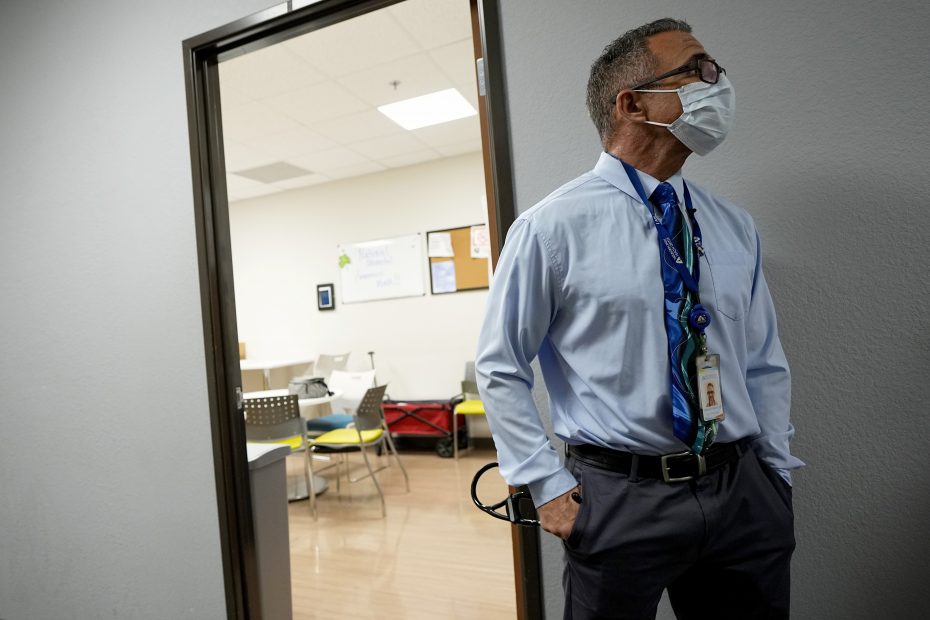
Democrats and Republicans agree that the primary care system needs an overhaul. They’re encouraging nurses to do more and embracing virtual care.
A bipartisan group of lawmakers is increasingly concerned that insurance companies are preying on seniors.
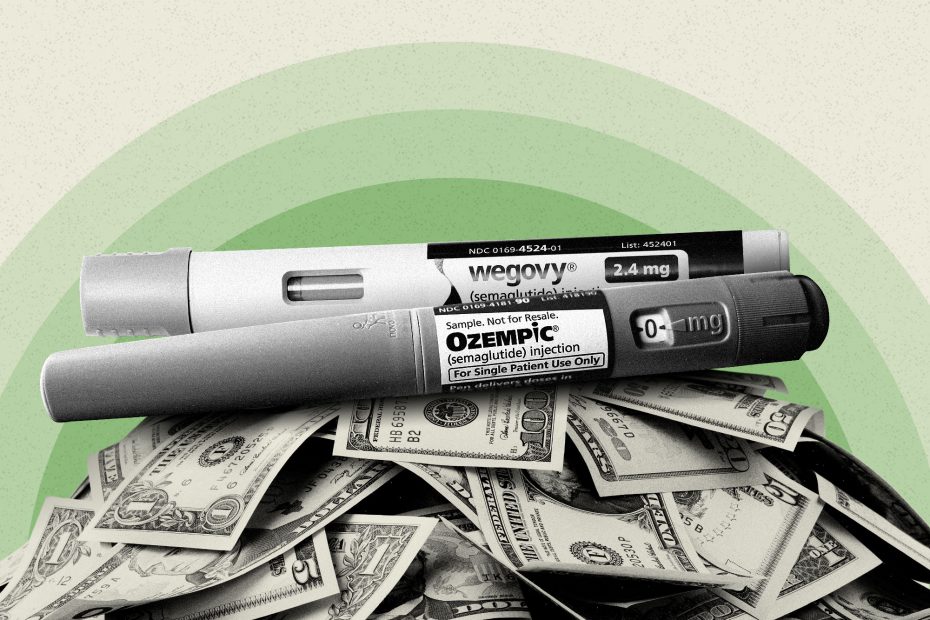
Some employers are dropping coverage of Ozempic and Wegovy. Connecticut is taking a different approach.

Expiring Covid benefits and new limits on safety net programs threaten to hit Americans’ pocketbooks — especially among core parts of the Democratic electorate.
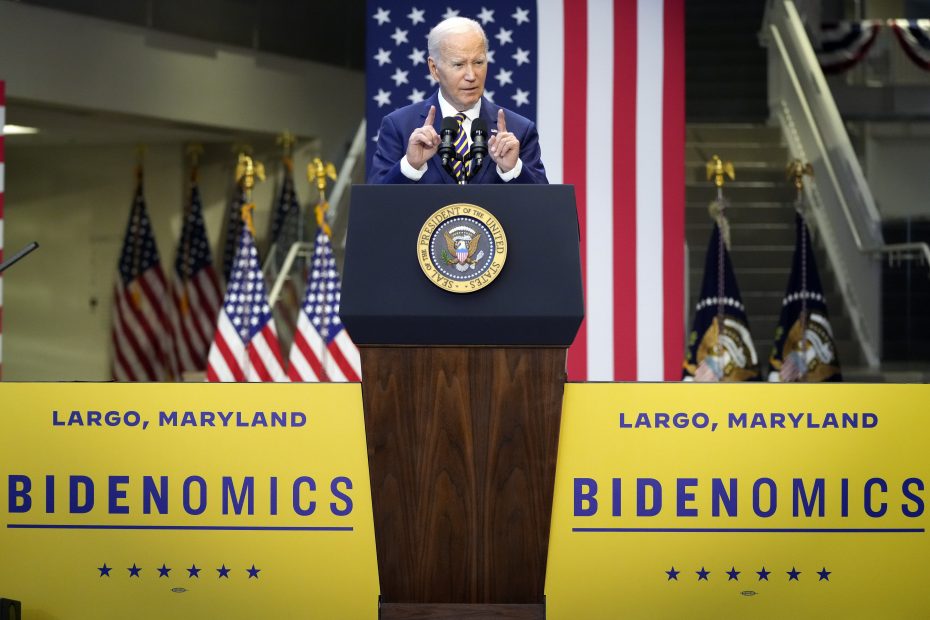
Top White House aides reviewed private polling showing Biden’s economic message falling flat and suggesting paths toward a turnaround.

Can Democrats overcome their college-campus branding and reclaim the working class?
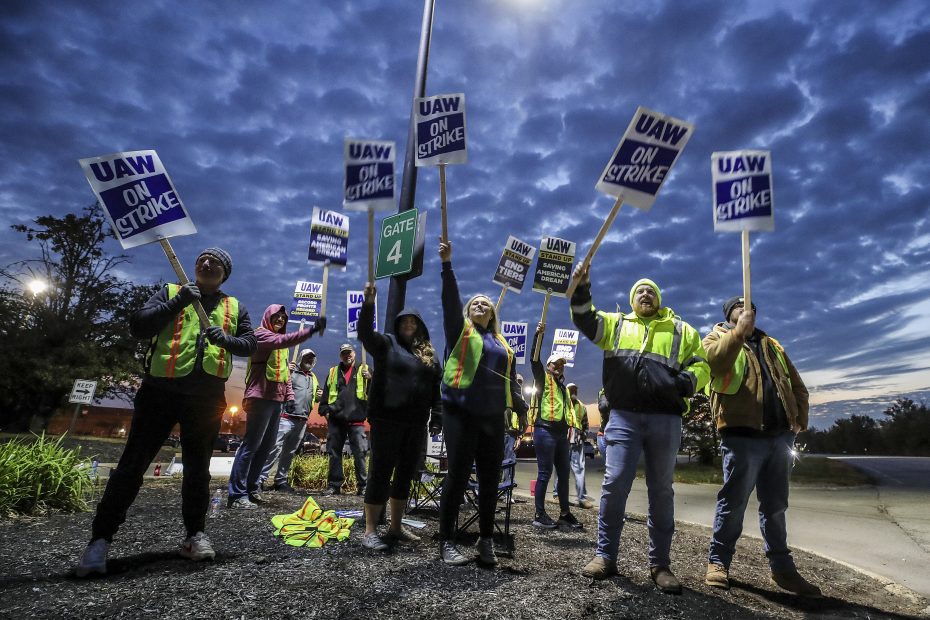
The new strategy UAW President Shawn Fain announced Friday signaled the strike could start having broader implications for the economy.
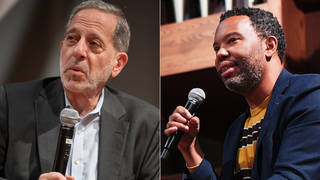
In this special broadcast, we air excerpts from a recent event organized by the Palestine Festival of Literature at the Union Theological Seminary here in New York. The event featured a discussion between the acclaimed writer Ta-Nehisi Coates and Columbia University professor Rashid Khalidi. Coates won the National Book Award for his book Between the World and Me. Rashid Khalidi is the Edward Said professor of modern Arab studies at Columbia.
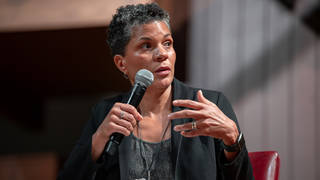
“But We Must Speak: On Palestine and the Mandates of Conscience.” That was the name of a recent event organized by the Palestine Festival of Literature here in New York, where leading writers and academics came together to speak out against Israel’s bombardment of Gaza. Speakers included Yasmin El-Rifae of PalFest and the civil rights attorney Michelle Alexander, author of The New Jim Crow: Mass Incarceration in the Age of Colorblindness.
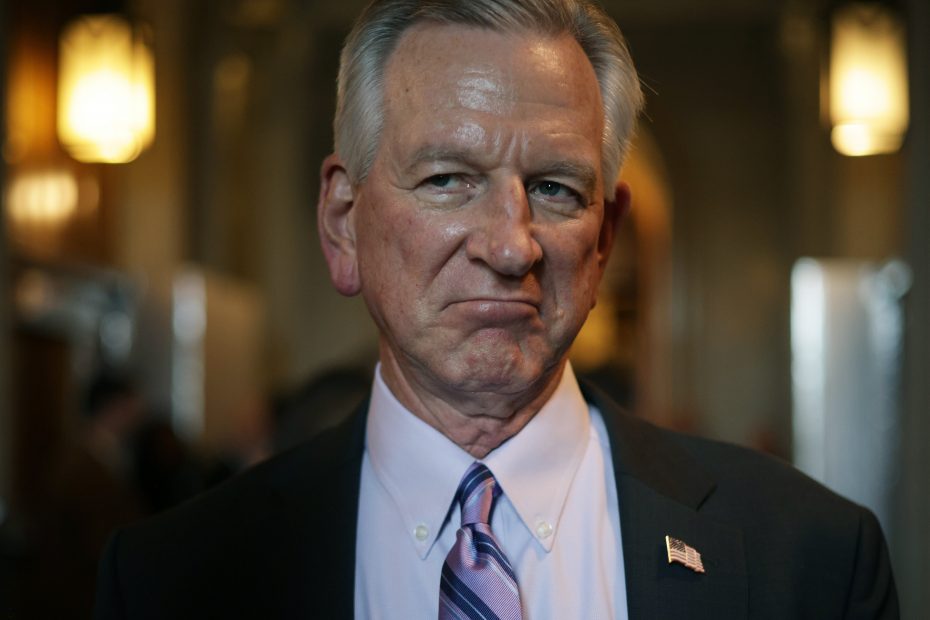
The Alabama senator’s complaint gets turned against him.
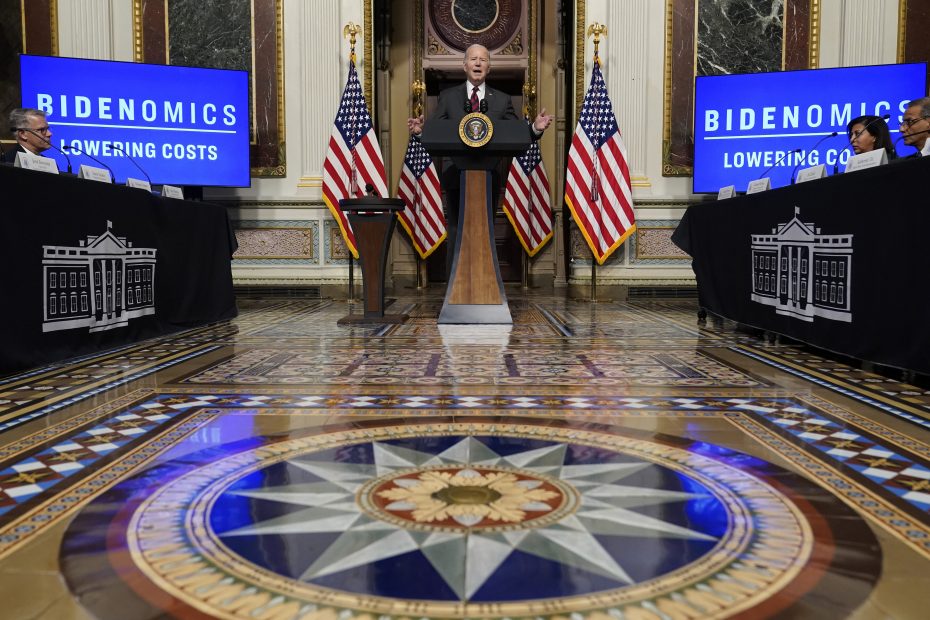
President Joe Biden has opened the first meeting of his supply chain resilience council by saying that his administration is working to lower costs for U.S. families.

The former president says he wants to reopen the contentious fight over the Affordable Care Act.
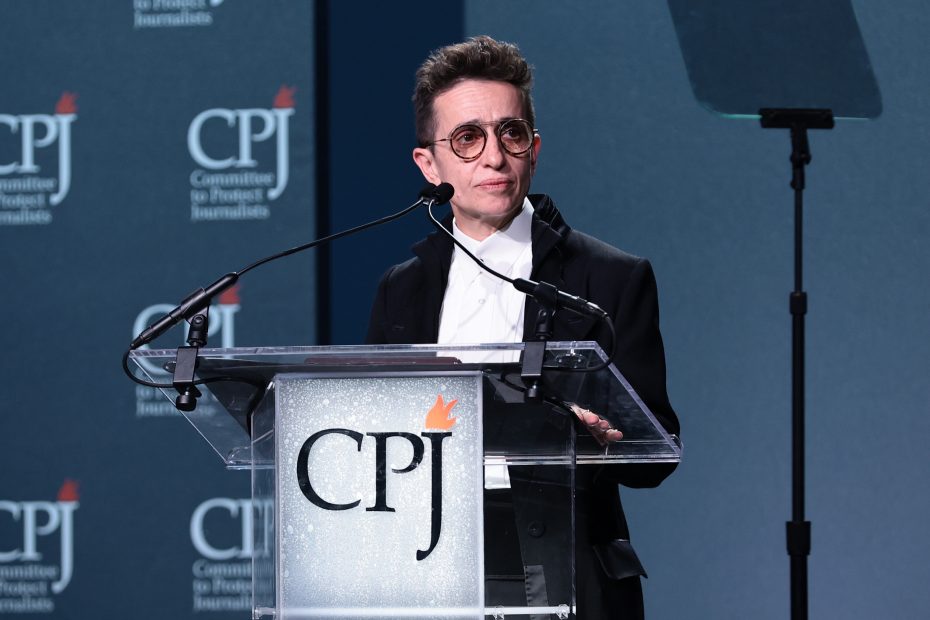
The Kremlin accused the New Yorker writer of spreading “false information” when speaking about atrocities in a Ukrainian city last year.
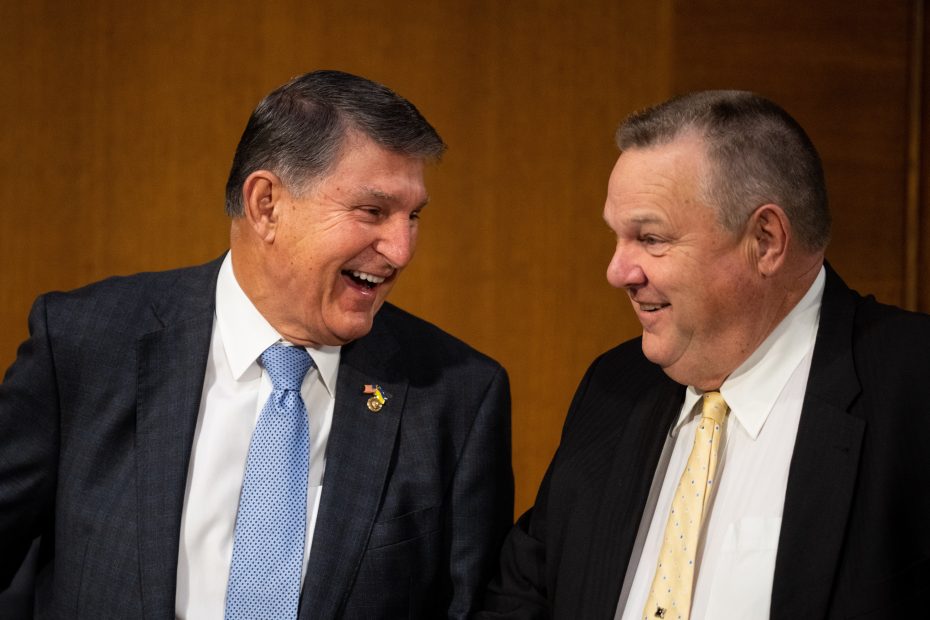
The West Virginian’s reelection may have been a lost cause.

This is an edition of The Atlantic Daily, a newsletter that guides you through the biggest stories of the day, helps you discover new ideas, and recommends the best in culture. Sign up for it here.
Joe Biden is both old and boring. The American voter has come to expect celebrity and excitement from the White House, and they pay little attention to policy.
But first: Last year, Jake Tapper wrote about C. J.

It’s more likely the bill is coming due for China’s prolonged Covid lockdown than a novel virus emerging.
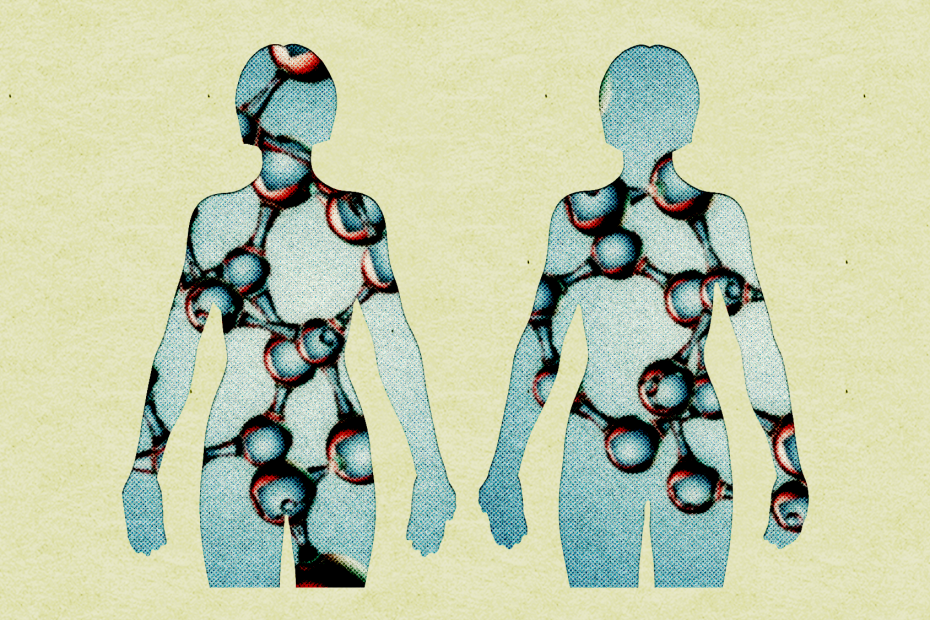
When Victoria Gray was still a baby, she started howling so inconsolably during a bath that she was rushed to the emergency room. The diagnosis was sickle-cell disease, a genetic condition that causes bouts of excruciating pain—“worse than a broken leg, worse than childbirth,” one doctor told me. Like lightning crackling in her body is how Gray, now 38, has described the pain.