The Wrong People Are in Charge of American Streets
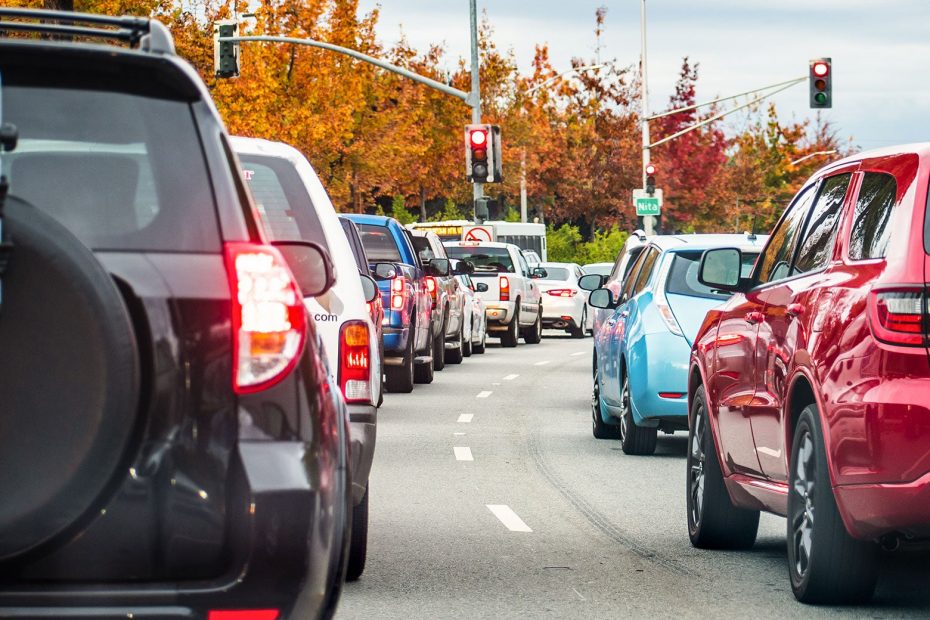
From the street, this conflict is invisible; for city governments, it’s inescapable.

From the street, this conflict is invisible; for city governments, it’s inescapable.

It’s not cars that are more sophisticated.
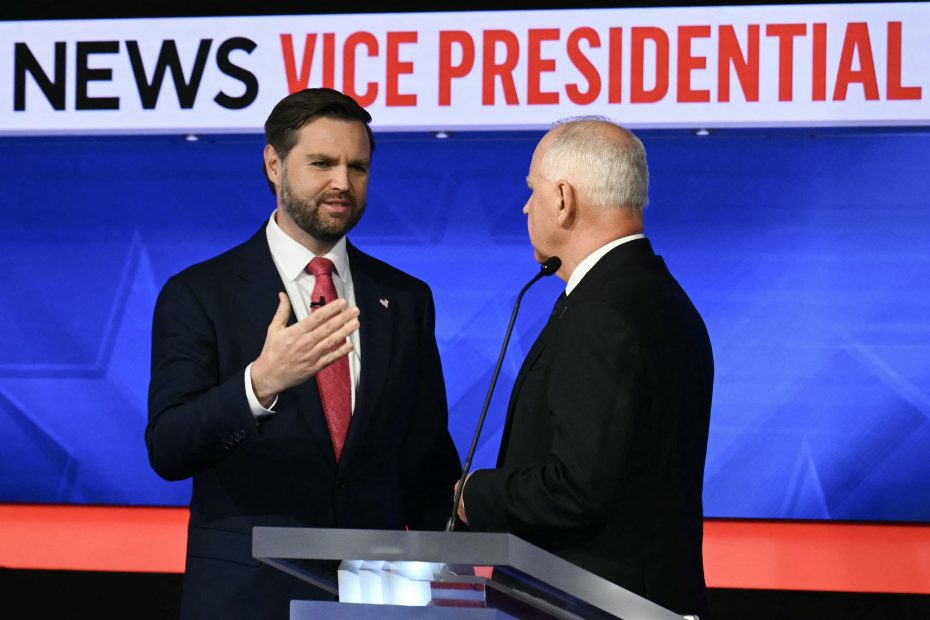
It turns out no one wants to hear these guys debate policy at all.
Trump says he’ll veto legislation to ban the procedure.
The ruling allows abortions to resume beyond six weeks into pregnancy.
Still angry about the Covid response, GOP lawmakers want to overhaul the National Institutes of Health if they win in November.
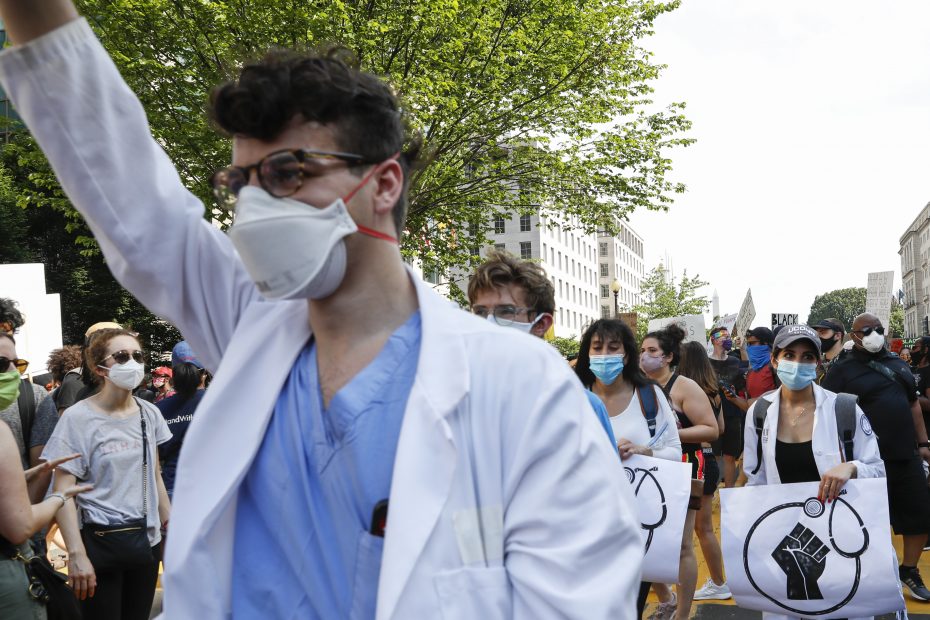
Some see the politicking as a moral obligation, but others see a threat to the doctor-patient relationship.
The case is part of a concerted effort by the Biden administration to lower drug prices.
The Treasury secretary is defending her legacy — and warning that the stability of the U.S. economy is at stake.
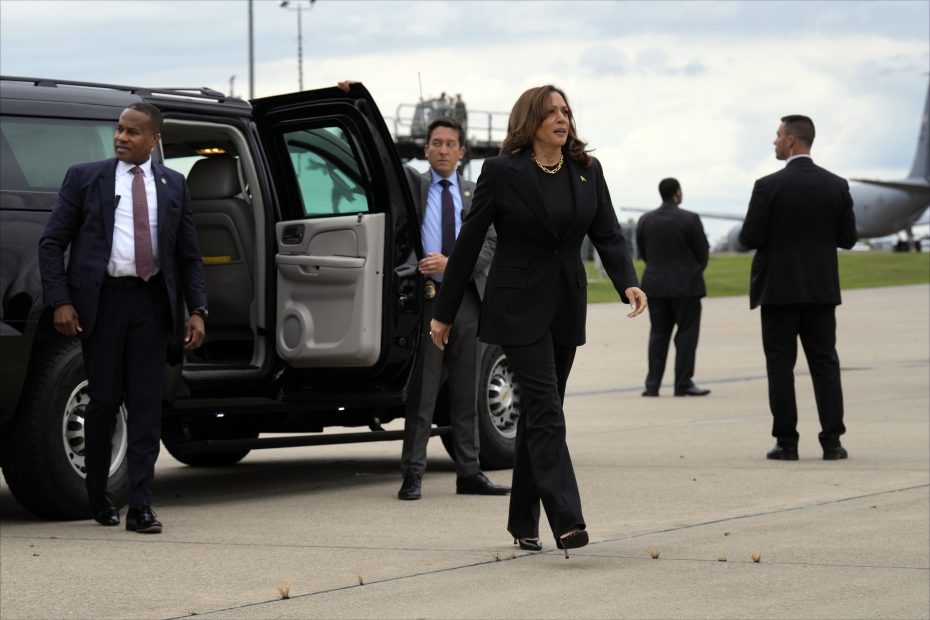
It was her first solo interview with a national network as the Democratic presidential nominee.
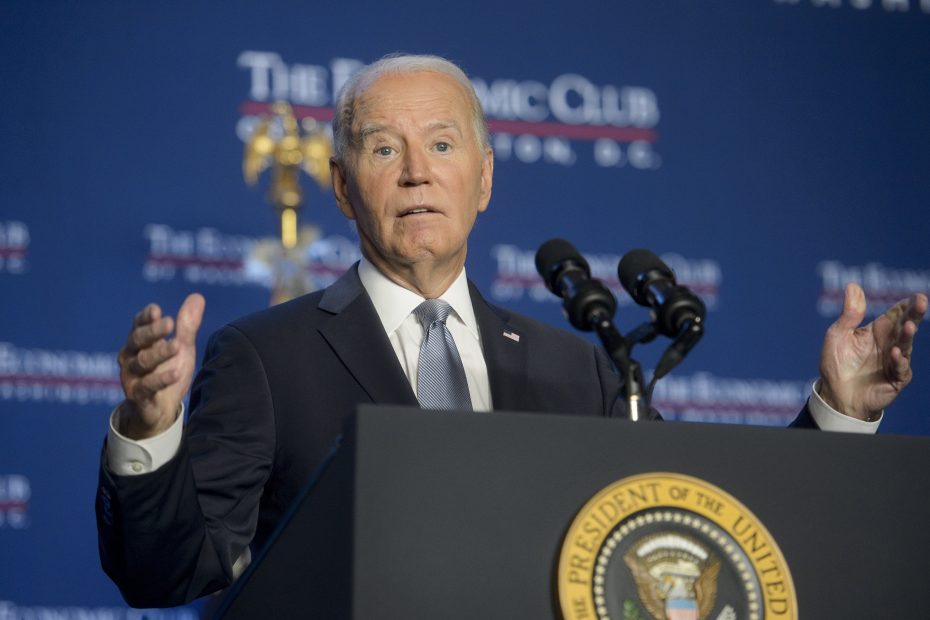
Interest rate cut “is not a declaration of victory, it’s a declaration of progress.
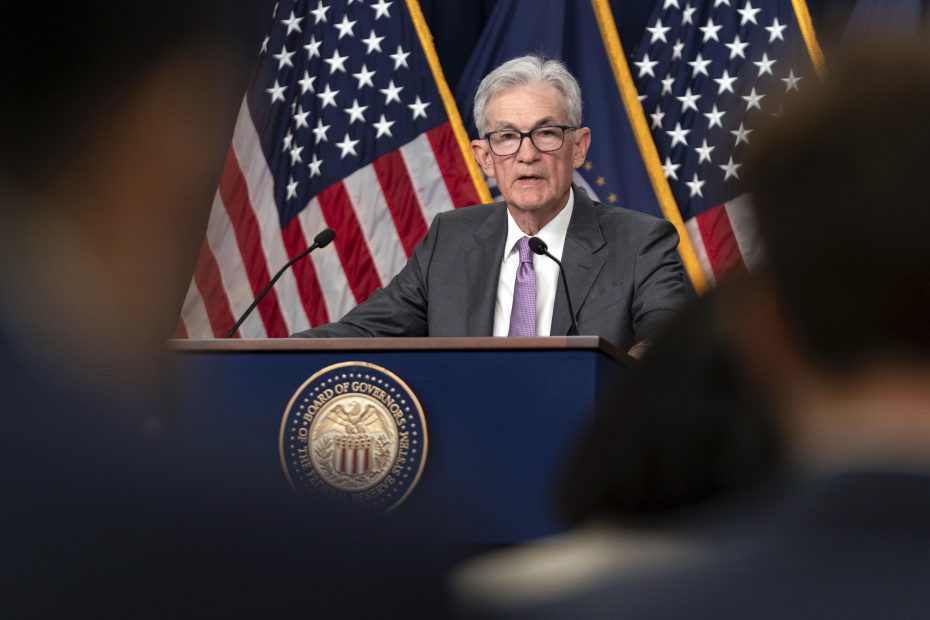
The move signals that the central bank is growing nervous about the declining labor market.
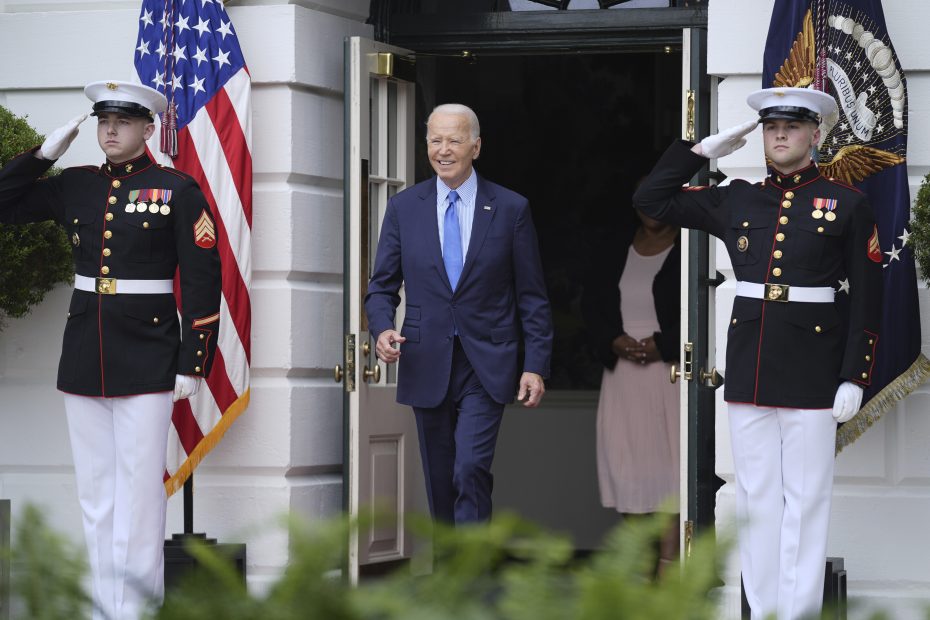
Biden is determined to convince a skeptical public that he strengthened the economy.
We speak with Oscar-winning filmmaker Errol Morris about his new documentary, Separated, based on NBC correspondent Jacob Soboroff’s book of the same name. The film details the horrors of the Trump “zero tolerance” immigration policy, under which thousands of immigrant children were forcibly separated from their parents after they crossed the southern U.S. border, part of the administration’s broader crackdown on immigration.
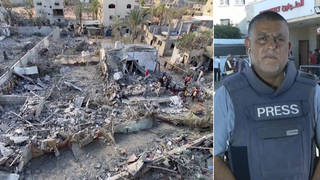
As Israel’s military escalates its attacks on Lebanon, it has continued its relentless bombardment of the Gaza Strip, where almost a year of war has now wiped 902 entire Palestinian families off the civil registry. There are another 1,300 families where only one family member has survived. The official death toll in Gaza has reached nearly 41,800, but that is believed to be a vast undercount.
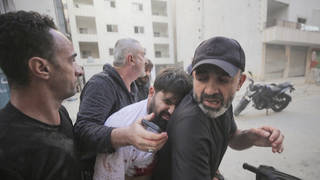
Israel is further escalating its war on Lebanon, carrying out its heaviest airstrikes so far on Beirut overnight in the densely populated southern suburbs. Lebanon’s health minister said Thursday at least 2,000 people have been killed since the start of the Israeli attacks on Lebanon, including at least 127 children, most of them in the past two weeks. More than 1.2 million Lebanese have been displaced.

The death toll from Hurricane Helene has reached 190 as fallout from the storm becomes clearer. Hundreds remain missing and presumed dead. President Biden has ordered the Pentagon to deploy 1,000 active-duty troops to help with flood relief efforts. Power outages and water shortages remain rampant across six southeastern states hit by one of the most destructive hurricanes in U.S. history.
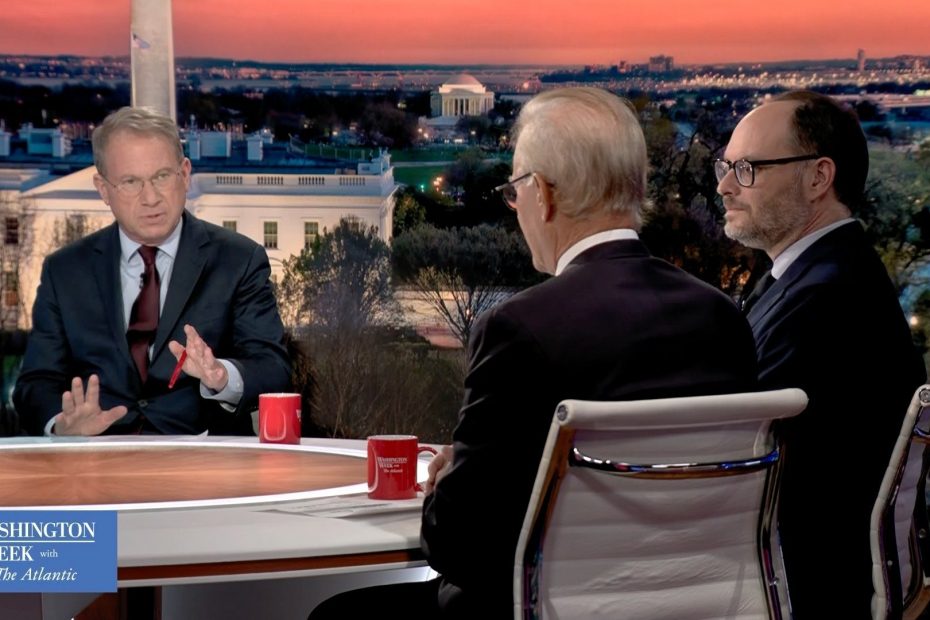
Editor’s Note: Washington Week With The Atlantic is a partnership between NewsHour Productions, WETA, and The Atlantic airing every Friday on PBS stations nationwide. Check your local listings or watch full episodes here.
With a month left until the presidential election, Kamala Harris and Donald Trump have turned to issues of foreign policy on the campaign trail as tensions in the Middle East rise.
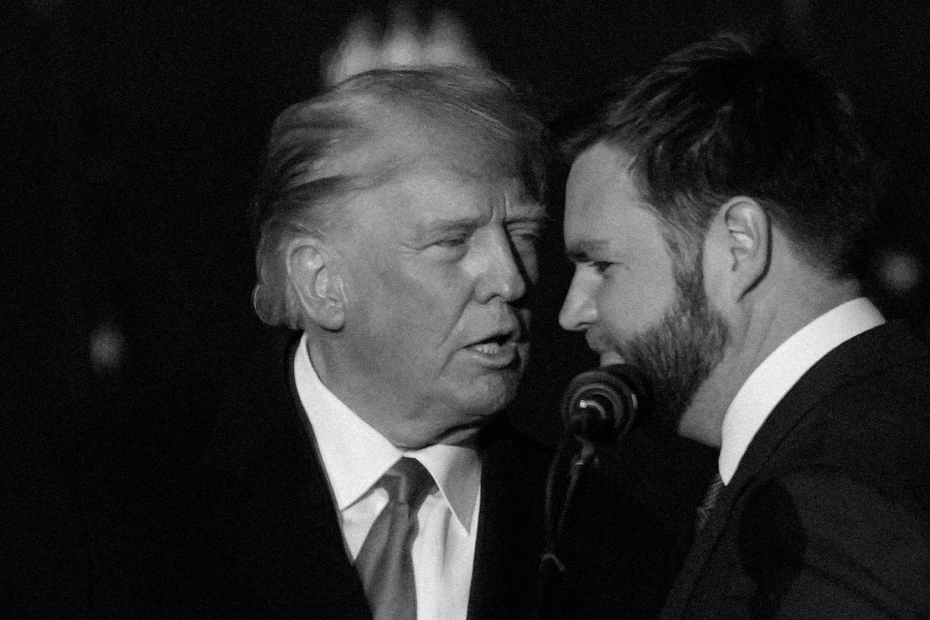
Donald Trump and J. D. Vance support a national ban on abortion. They are just calling it something else.
Since the justices Trump appointed to the Supreme Court provided the conservative majority necessary to overturn the constitutional right to an abortion, women in Republican-controlled states have been forced to flee their homes in order to receive lifesaving care. Some women have died or were treated only at the brink of death.
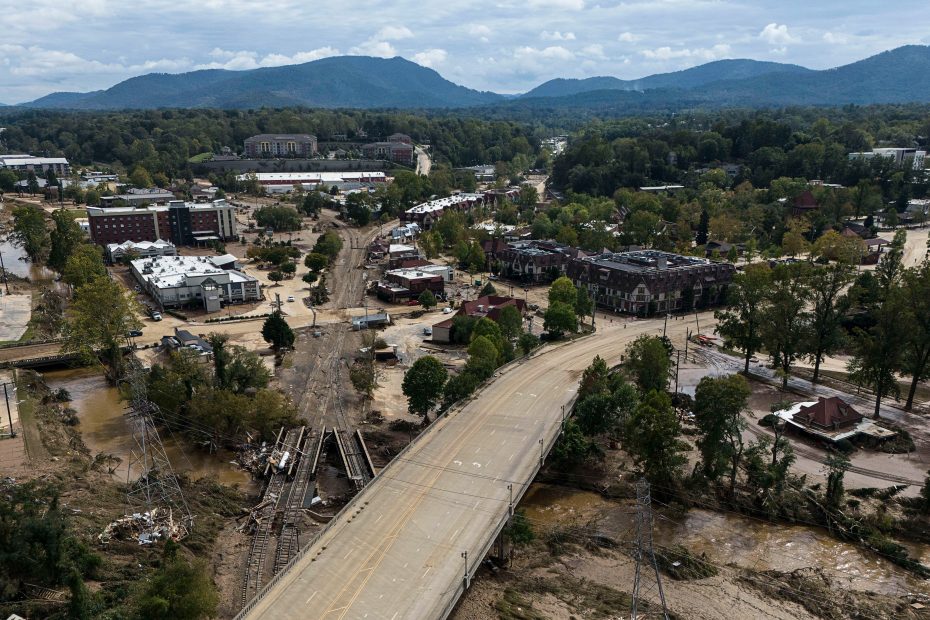
The United States is trapped in a cycle of disasters bigger than the ones our systems were built for. Before Hurricane Helene made landfall late last month, FEMA was already running short on funds; now, Alejandro Mayorkas, the Homeland Security secretary, told reporters on Wednesday, if another hurricane hits, it will run out altogether.

This is an edition of The Wonder Reader, a newsletter in which our editors recommend a set of stories to spark your curiosity and fill you with delight. Sign up here to get it every Saturday morning.
This time last year, I revisited an 1862 Atlantic article in which Henry David Thoreau argued that autumn wasn’t getting enough attention. At the time, I noted that fall didn’t exactly seem to be slipping from public consciousness—a trip to Starbucks makes that clear enough.
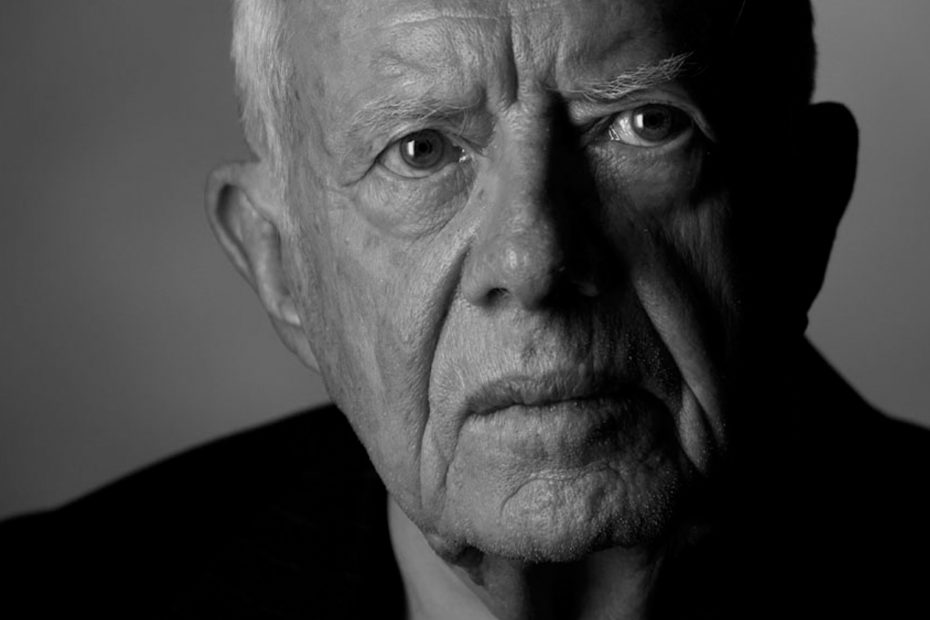
The first person who taught me something about death and defiance was the mother of a family friend, an older woman who had moved from Punjab to the United States to be closer to her son. I remember her as delicate and draped always in pastel salwar kameezes. After she was diagnosed with breast cancer, which moved quickly to claim her bones and her brain, her desire to return to Punjab intensified.

It’s rough waters for labor
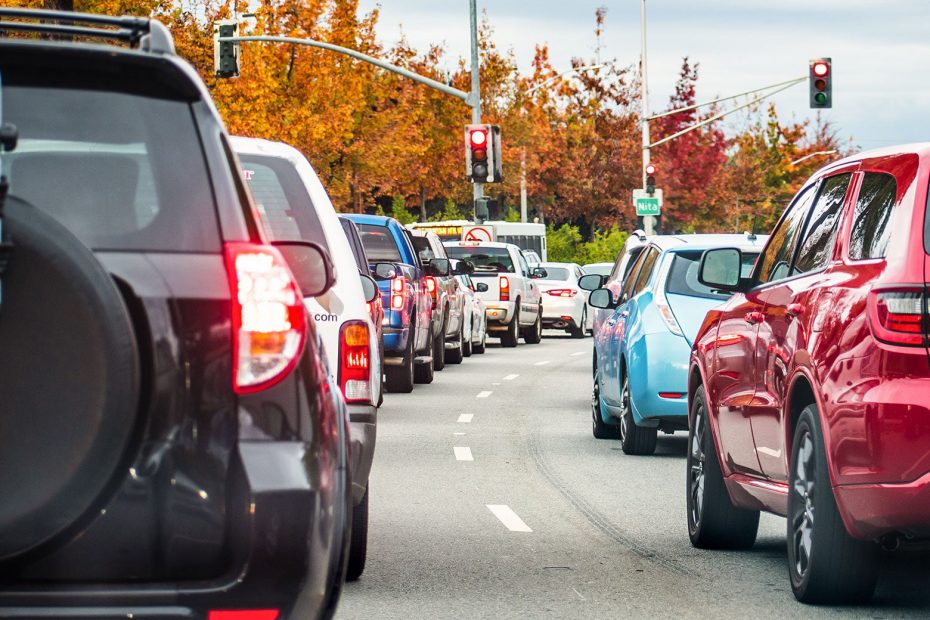
From the street, this conflict is invisible; for city governments, it’s inescapable.

It’s not cars that are more sophisticated.
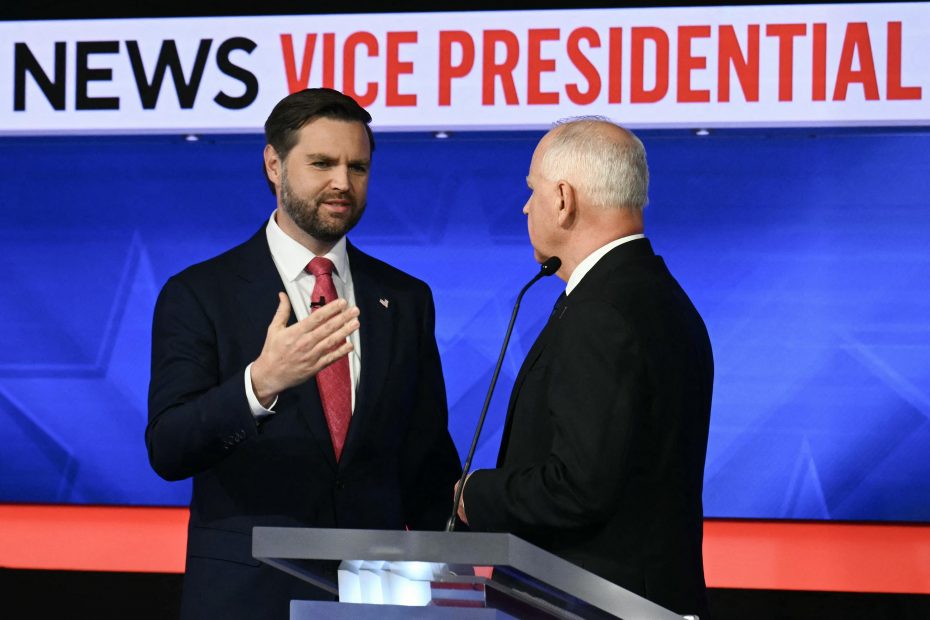
It turns out no one wants to hear these guys debate policy at all.
It doesn’t always go well, when looking in from the outside.
Trump says he’ll veto legislation to ban the procedure.