
What Happens When You Organize Church Around AIDS – and AIDS Changes?
The AIDS cocktail opens new possibilities. And MCC San Francisco tries to use the experience of AIDS to make bigger social change.

The AIDS cocktail opens new possibilities. And MCC San Francisco tries to use the experience of AIDS to make bigger social change.

The church’s minister gets sick and everyone knows it.

The church’s “it couple” faces AIDS, caregiving, and loss as part of a pair, part of families, and part of a community.

The Louisiana Republican’s comments come as both Democrats and Republicans have been forced to find ways to address the backlash against data centers.

The new Fed chair will have the spotlight at the central bank’s high-profile conference in Jackson Hole. He should use it.

Vice President JD Vance’s visit marked his second to Maine’s 2nd Congressional District in four months.

Fifteen years ago this week, thousands of activists marched on the Financial District in New York City. They formed the Occupy Wall Street encampment in Zuccotti Park, launching a movement focused on economic inequality that spread across the nation and globe under the slogan, “We are the 99%.” Protesters would go on to sleep in Zuccotti Park for nearly two months before police raided the encampment.

“If we don’t connect those dots between the struggles, we’re never going to get anywhere,” says Pulitzer Prize- and Grammy-winning multi-instrumentalist Rhiannon Giddens. “That’s what music is for. … We have to make music with people from different backgrounds because then we have that conversation.

As world leaders prepare to head to New York for the United Nations General Assembly and Climate Week, Democracy Now! speaks with Amitabh Behar, executive director of Oxfam International. “We live in a very different world from 1945,” when the U.N. was formed, says Behar. “You cannot continue with the veto power.” And with António Guterres soon stepping down, Behar stresses that the United Nations’ next secretary-general must be a woman — “a fundamental shift we need to make.

We speak with moral philosopher Susan Neiman, author of the new book Call It Evil: Understanding the Trump Era. Neiman argues that evil — far from being an outdated religious concept — is a vital way to understand how injustice works in the world. The Trump administration’s abusive policies have been aided by a general reluctance to call them out as evil, part of how people are “brainwashed … by the idea that morality is for losers, suckers, fools,” she says.

Donald Trump is presiding over a failing presidency and lashing out at the news media—most recently by banning CNN, Politico, and MS NOW from the White House. There might seem to be a connection between these two things, but the causal link is not that Trump is punishing the press because he is failing; rather, it’s the opposite. His inability to govern is in part a consequence of his hatred for the news media.

Donald Trump is facing multiple challenges. The United States is losing to one of its worst enemies in a war that has left the American economy mired in the sludge of growing inflation and rising energy prices. His popularity is now hovering around second-term George W. Bush levels, and may even be headed for end-stage Richard Nixon numbers. His party faces the prospect of a crushing defeat in midterm elections that are only six weeks away. (In some places, early voting has already begun.
The upcoming Make America Healthy Again Summit is brought to you by companies with business before the Health Department.

I was pinballing/
slamming the back glass/
hitting every outlane/
triggering a ramp shot/
spinning red after years/
of running/nights/
of crashing/I wanted power over something/
anything/thought:
what would it look like/
the glistening body/cut open/
the jewels of itself/turning?
The back glass of the body/
breached? Would I come
alive in the cut/you could say seeing
my inside body/its wires &
circuits/my spiky wrist/you could say
gleeful at the sight?

Subscribe here: Apple Podcasts | Spotify | YouTube
For all of history, humans have been fascinated by the heavens above us. We’ve used the stars to navigate Earth, to predict the future, and to understand our place in the larger scheme of things. Changes in our view of the cosmos—from the Copernican revolution that “uncentered” the Earth to the discovery of the Big Bang and the recognition that the universe is expanding—have invariably changed our view of ourselves.

This article was featured in the One Story to Read Today newsletter. Sign up for it here.
I wouldn’t be here—in America, or inside my nervous system as it’s currently constituted—without American music.
That’s no exaggeration. As a metalheaded, punk-rock-obsessed, hip-hop-curious English teenager, I projected my mind toward America. The music summoned me: I couldn’t wait to be around it.

The cryptocurrency has become a sort of emotional tether for a specific type of lost boy. I went to Las Vegas to learn why.
The director of the Ford Foundation’s mission investments program explains why assuming you can’t make a positive impact AND a profit is a big mistake.
The life of billionaire investor Leon Black, the private-equity behemoth he helped build, and his unfortunate friendship with Jeffrey Epstein.
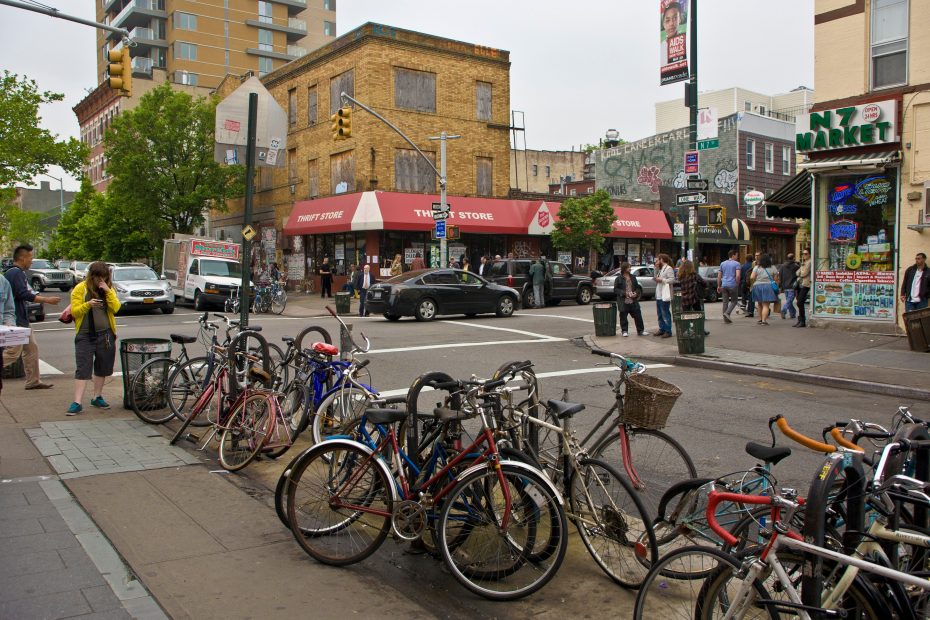
Williamsburg’s gentrifiers are being gentrified.
Silicon Valley’s acquisition frenzy hits a new peak with Nvidia’s massive deal with Hugging Face.
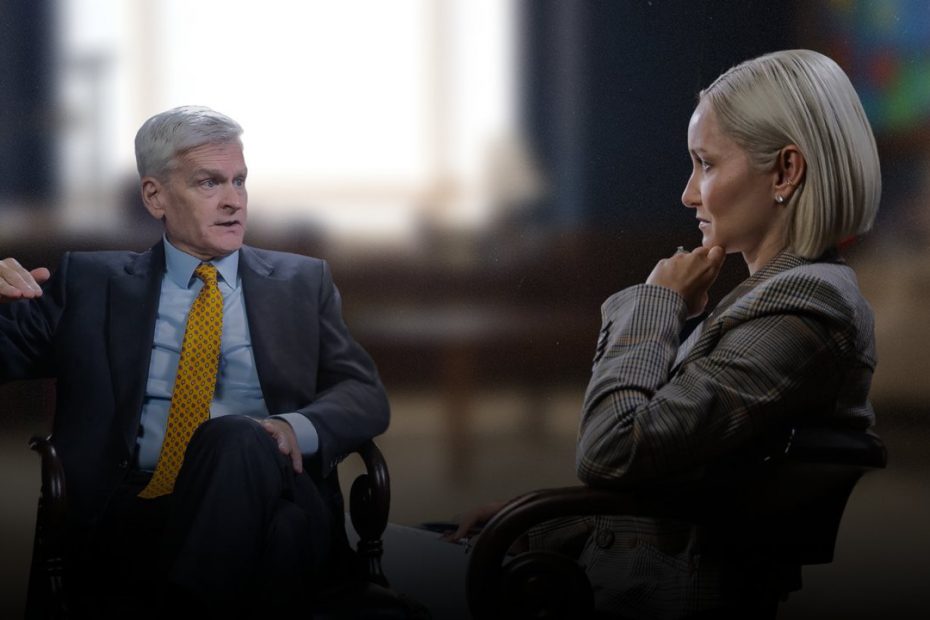
The Louisiana Republican said vaccine skepticism that Kennedy and his MAHA backers promoted led to the recent measles deaths.
Some of America’s biggest companies say a law aimed at protecting patients is about to hurt them instead.
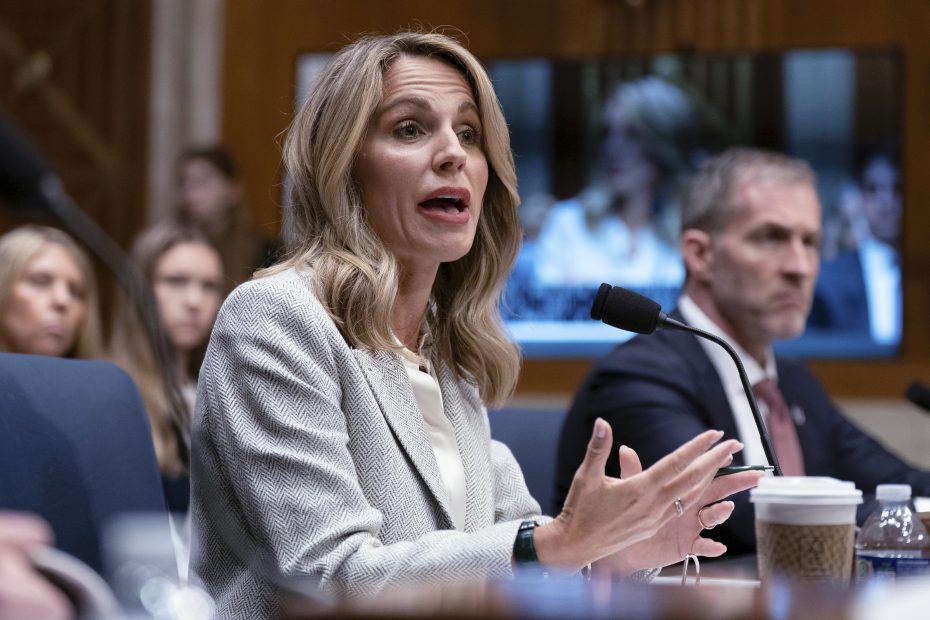
Nicole Saphier rejected the notion that vaccines cause autism during her confirmation hearing.
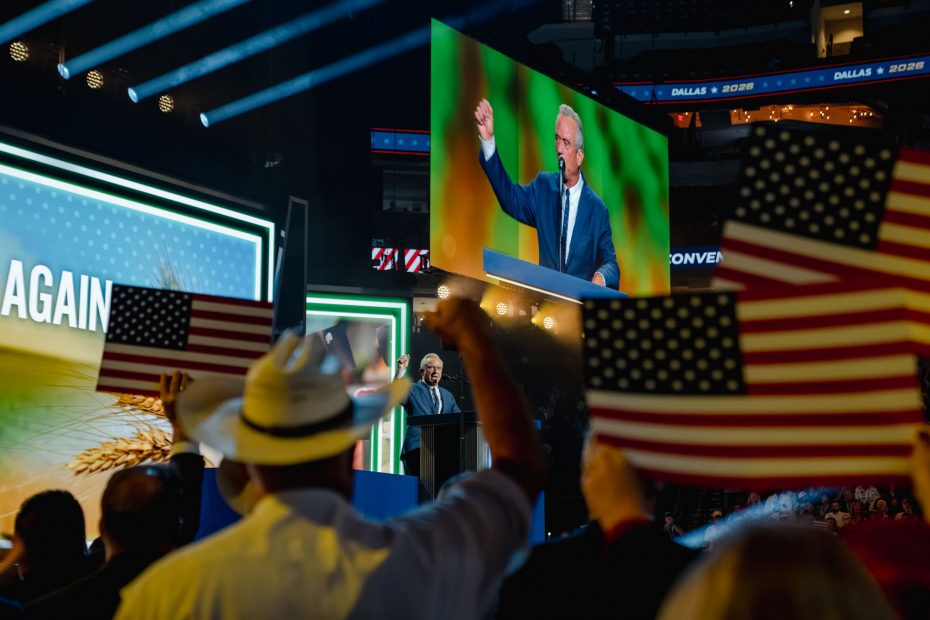
The health secretary and Democratic governor have repeatedly tussled over the state’s handling of the measles outbreak.
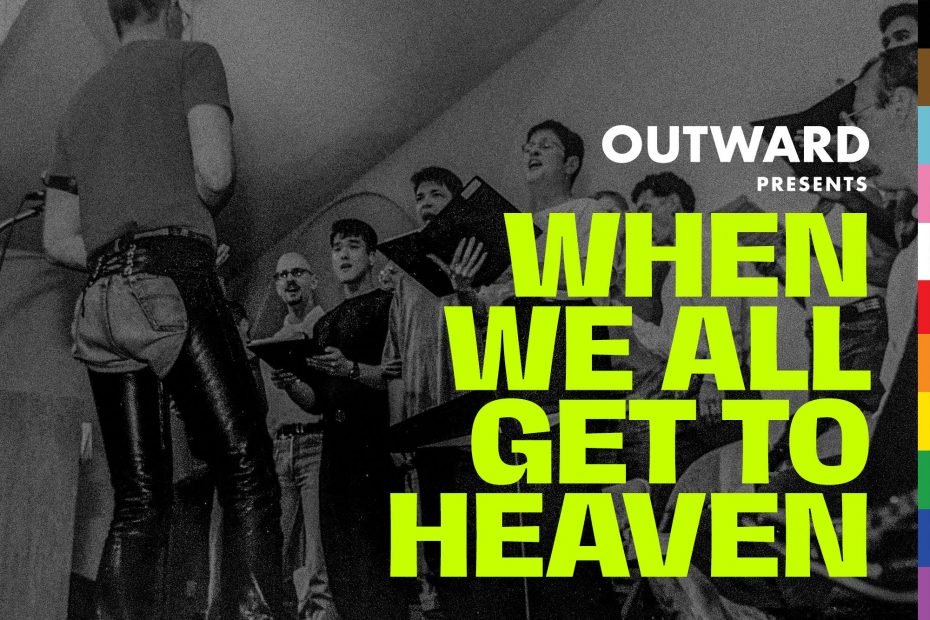
Outward’s hosts sit down with the host and co-creator of When We All Get to Heaven.
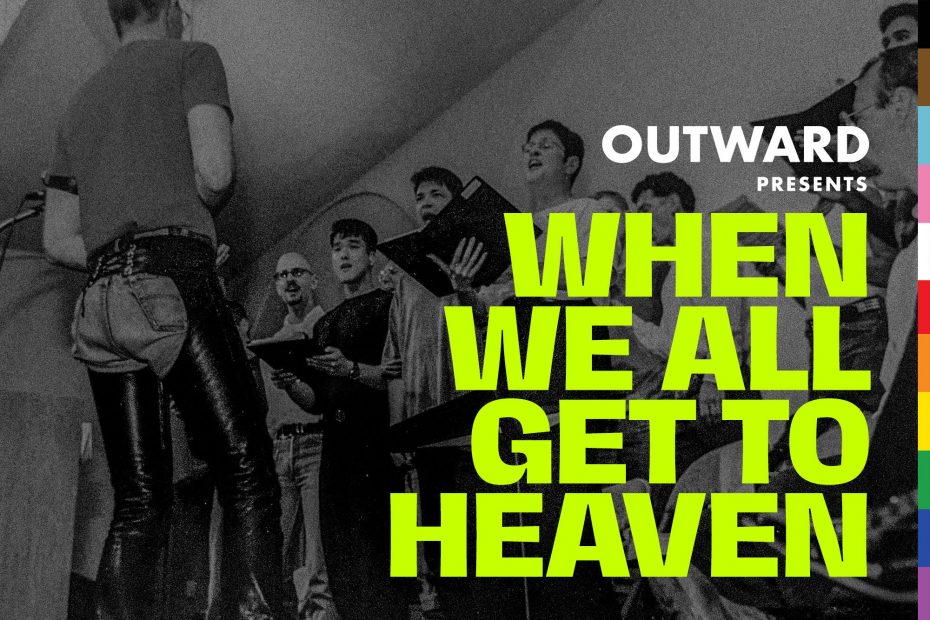
The neighborhood changes, the church moves, people forget and remember “the AIDS years,” but AIDS isn’t over.
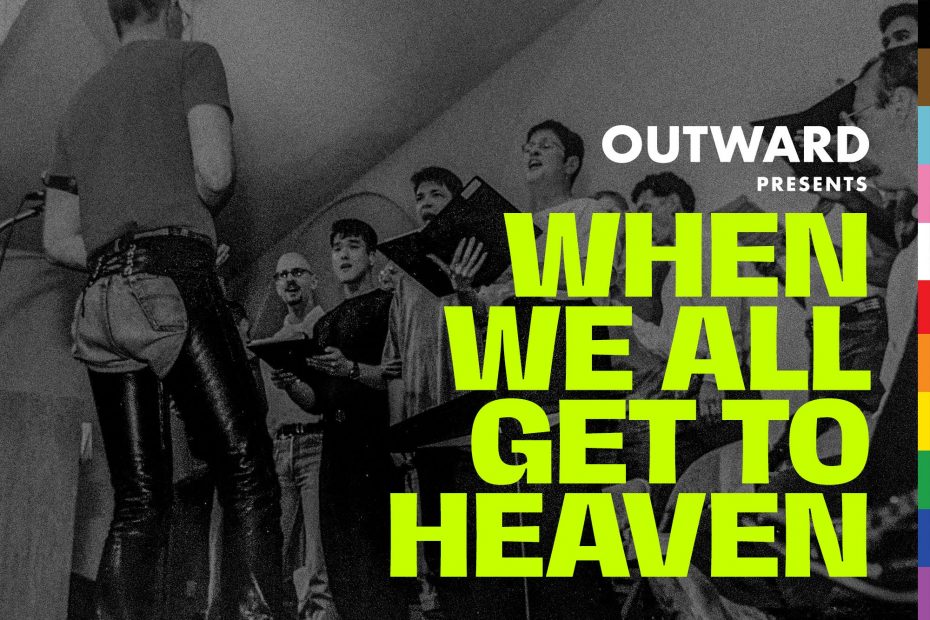
The AIDS cocktail opens new possibilities. And MCC San Francisco tries to use the experience of AIDS to make bigger social change.
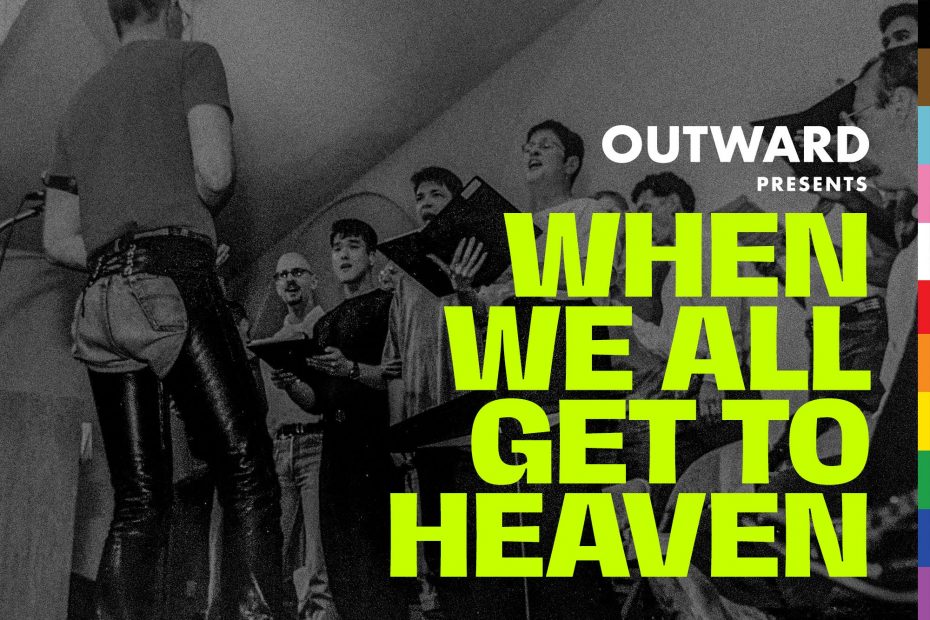
The church’s minister gets sick and everyone knows it.
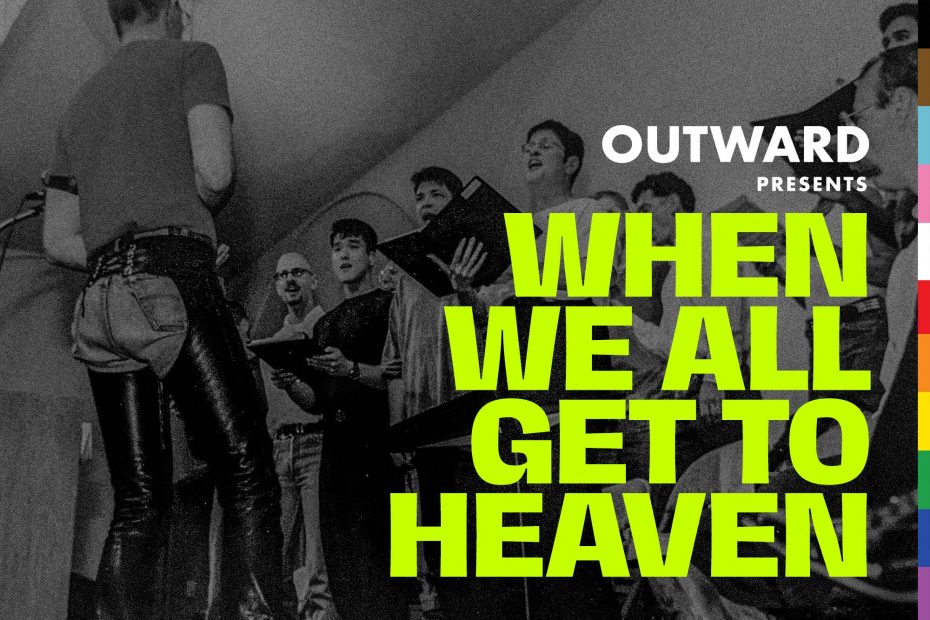
The church’s “it couple” faces AIDS, caregiving, and loss as part of a pair, part of families, and part of a community.